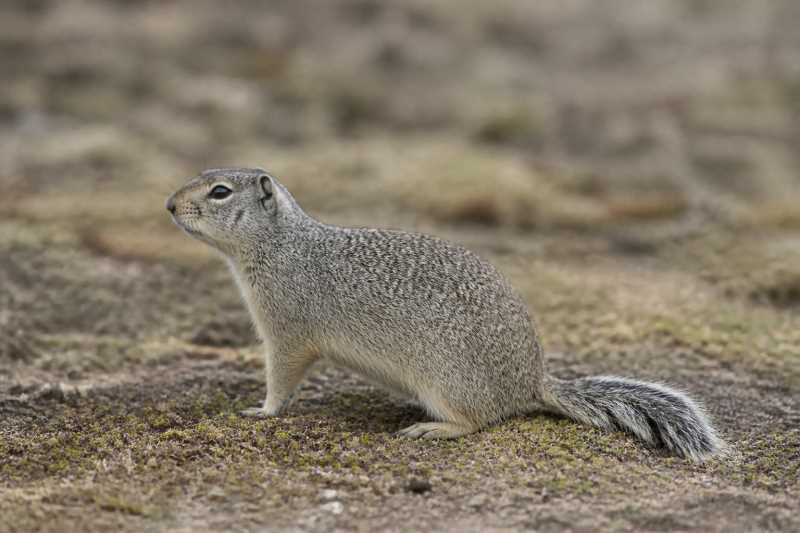
Belding’s Ground Squirrel (Urocitellus beldingi)
Introduction
Belding’s Ground Squirrel, scientifically known as Urocitellus beldingi, is a species of ground squirrel native to the western United States. This small mammal is a fascinating creature that has adapted remarkably to its environment, displaying unique behaviors and survival strategies. Belding’s Ground Squirrel is known for its social nature, living in colonies that play a vital role in their survival. This article will explore the physical characteristics, habitat, behavior, and conservation status of this intriguing species.
Physical Description
Belding’s Ground Squirrel is a medium-sized rodent with a robust body and short limbs. They measure approximately 20 to 30 centimeters in length, including their tail, which is about 5 to 7 centimeters long. The body weight of these squirrels ranges from 150 to 300 grams, with males generally being larger than females.
The fur of Belding’s Ground Squirrel is dense and soft, providing insulation against the cold temperatures of their mountainous habitats. Their dorsal side is typically a grayish-brown color, with a speckled pattern that provides camouflage against the rocky terrain. The underparts are lighter, often a pale gray or cream color. One of the distinctive features of Belding’s Ground Squirrel is its relatively large eyes and small ears, which are adapted for keen sight and hearing in their open habitat.
Range and Habitat
Belding’s Ground Squirrel is primarily found in the mountainous regions of the western United States, including parts of California, Nevada, Oregon, and Idaho. Their range extends from low elevations in the valleys to alpine meadows at higher altitudes.
These squirrels prefer habitats that offer a combination of open grasslands and scattered rocks or burrows. Alpine meadows, montane grasslands, and sagebrush steppe are typical environments where Belding’s Ground Squirrels thrive. They are well-adapted to cold climates and often inhabit areas with significant snowfall, relying on their burrowing behavior to escape harsh weather conditions.
Behavior and Diet
Belding’s Ground Squirrel is a diurnal creature, active during the daytime. They are highly social animals, living in colonies that can comprise several dozen individuals. These colonies are structured around complex burrow systems, which provide shelter and protection from predators.
The diet of Belding’s Ground Squirrel is primarily herbivorous, consisting of grasses, seeds, and leaves. During the spring and summer months, when vegetation is abundant, they actively forage to build up fat reserves. Occasionally, they may consume insects or small invertebrates to supplement their diet.
One of the most interesting behaviors of Belding’s Ground Squirrel is its hibernation pattern. As winter approaches, these squirrels enter a state of hibernation, reducing their metabolic rate significantly to conserve energy. Hibernation can last from October to March, depending on the severity of the winter.
Identification Tips (Field Recognition Cues)
Identifying Belding’s Ground Squirrel in the field can be achieved by observing several key characteristics:
- Size and Shape: Look for a medium-sized ground squirrel with a compact, robust body and a relatively short, bushy tail.
- Coloration: Note the grayish-brown dorsal fur with a speckled appearance and lighter underparts.
- Behavior: Observe their social behavior. These squirrels are often seen in groups, engaging in foraging or grooming activities.
- Habitat: Belding’s Ground Squirrels are typically found in open grasslands and alpine meadows, often at higher elevations.
- Vocalizations: Listen for their characteristic alarm calls, which are used to warn colony members of potential threats.
Conservation Status (With Threats and Protections)
Currently, Belding’s Ground Squirrel is listed as a species of Least Concern by the International Union for Conservation of Nature (IUCN). However, they face several threats that could impact their populations in the future.
Threats
- Habitat Loss: The expansion of agriculture and urban development has led to the fragmentation and loss of their natural habitats.
- Climate Change: Alterations in climate patterns can affect the availability of food resources and suitable hibernation conditions.
- Predation: Natural predators such as hawks, coyotes, and foxes pose a threat, although predation is a natural part of their ecosystem.
Protections
Efforts to conserve the habitats of Belding’s Ground Squirrel include the protection of alpine meadows and grasslands. Conservation organizations also monitor population trends to ensure that significant declines are addressed promptly.
Frequently Asked Questions
- What is the lifespan of Belding’s Ground Squirrel?
Belding’s Ground Squirrel typically lives for about 3 to 4 years in the wild. However, their lifespan can be influenced by factors such as predation, food availability, and environmental conditions.
- How do Belding’s Ground Squirrels communicate?
These squirrels use a variety of vocalizations to communicate with each other, including alarm calls to warn of predators and social calls for interactions within the colony.
- Why do Belding’s Ground Squirrels hibernate?
Hibernation allows Belding’s Ground Squirrels to survive periods of extreme cold and food scarcity. By reducing their metabolic rate, they conserve energy and sustain themselves on stored body fat.
- What should I do if I encounter a Belding’s Ground Squirrel in the wild?
If you encounter a Belding’s Ground Squirrel, observe from a distance to avoid disturbing their natural behavior. Enjoy watching their foraging activities and social interactions without interfering.
- Are Belding’s Ground Squirrels considered pests?
In some agricultural areas, Belding’s Ground Squirrels may be considered pests due to their burrowing habits and consumption of crops. However, they also play a beneficial role in their ecosystems by aerating the soil and serving as prey for predators.
Related posts