Introduction
Noack’s African Dormouse, scientifically known as Graphiurus microtis, is a captivating small mammal endemic to regions in Africa. Residing in the family Gliridae, this species is renowned for its elusive nature and distinct physical characteristics. Dormice, in general, are recognized for their arboreal lifestyle and nocturnal habits, which make them fascinating subjects of study for mammalogists and wildlife enthusiasts alike. This particular species, the Noack’s African Dormouse, plays a vital role in its ecosystem, serving as both a prey species and a seed disperser, which underscores the importance of its conservation.
Physical Description
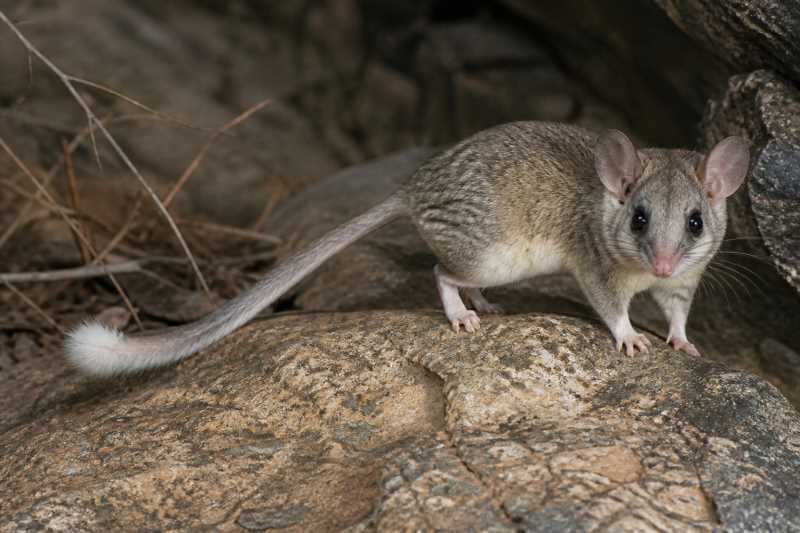
Graphiurus microtis is a diminutive rodent with a body length typically ranging from 60 to 90 millimeters, not including its tail, which is nearly as long as its body. The dormouse’s tail is bushy and utilized for balance as it maneuvers through trees. The fur of Noack’s African Dormouse is soft and dense, providing insulation and protection. Its dorsal side is generally grayish-brown, blending seamlessly with the bark and foliage of its arboreal habitat, while the ventral side is lighter, often white or cream-colored.
The dormouse has large, protruding eyes, an adaptation that enhances its night vision. Its ears are relatively large and rounded, aiding in acute hearing, which is crucial for detecting predators and navigating in the dark. The paws of the dormouse are equipped with sharp claws, enabling it to grip and climb efficiently.
Range and Habitat
Noack’s African Dormouse is primarily distributed across sub-Saharan Africa. Its range extends from parts of East Africa, including Kenya and Tanzania, through central regions such as the Democratic Republic of the Congo and into the southern parts, including Zambia and Angola. The species thrives in a variety of habitats, predominantly occupying moist tropical forests, woodlands, and sometimes venturing into savanna ecosystems.
The dormouse’s habitat preference is largely dictated by the availability of trees and shrubs, which provide both shelter and food resources. These environments offer an abundance of insects, fruits, and seeds, which are staple components of the dormouse’s diet. The presence of dense vegetation also offers protection from predators and harsh weather conditions.
Behavior and Diet
Noack’s African Dormouse is a nocturnal creature, exhibiting peak activity during the night when it forages for food. This behavior is a strategic adaptation to avoid daytime predators and the high temperatures experienced in its native regions. During the day, the dormouse rests in nests constructed in tree hollows or dense foliage, which it lines with leaves and other plant materials.
The diet of Graphiurus microtis is omnivorous, with a preference for arthropods, fruits, and seeds. This dietary flexibility allows the dormouse to adapt to varying food availability throughout the year. Insects such as beetles and caterpillars provide a rich protein source, while fruits and seeds contribute essential carbohydrates and fats.
The dormouse is also known for its food caching behavior, where it stores excess food in hidden locations to consume during periods of scarcity. This behavior is particularly crucial during the dry season when food resources are less abundant.
Identification Tips (field recognition cues)
Identifying Noack’s African Dormouse in the field requires keen observation due to its cryptic lifestyle. Here are some tips for recognition:
- Size and Shape: Look for a small, agile rodent with a body length of about 60-90 mm and a bushy tail of similar length.
- Coloration: The dorsal fur is grayish-brown, which serves as camouflage against tree bark, while the ventral fur is light-colored.
- Eyes and Ears: Note the large, prominent eyes adapted for nocturnal vision and rounded ears for acute hearing.
- Tail: The bushy tail is distinctive and serves as a balancing tool while climbing.
- Behavior: Observe for nocturnal activity, primarily in trees, and listen for rustling sounds in vegetation at night.
Conservation Status (with threats and protections)
The International Union for Conservation of Nature (IUCN) currently lists Noack’s African Dormouse as a species of Least Concern due to its wide distribution and presumed large population. However, this status does not imply that the species is free from threats.
Threats
- Habitat Loss: Deforestation and land conversion for agriculture and urban development pose significant threats to the dormouse’s habitat.
- Climate Change: Altered weather patterns can affect food availability and habitat conditions.
- Predation: Natural predators such as birds of prey, snakes, and small carnivores pose constant threats.
Protections
Conservation efforts focus on habitat preservation and restoration. Protected areas and national parks in various African countries offer refuge to the dormouse and other wildlife. Additionally, awareness campaigns and community involvement in conservation activities play crucial roles in safeguarding this species.
Frequently Asked Questions
What is the habitat of Noack’s African Dormouse?
Noack’s African Dormouse inhabits moist tropical forests, woodlands, and sometimes savanna regions across sub-Saharan Africa. They prefer areas with dense vegetation for food and shelter.
How does Noack’s African Dormouse adapt to its environment?
The dormouse adapts through nocturnal behavior to avoid predators, arboreal habits for efficient foraging and nesting, and a varied diet to cope with food availability changes.
What are the primary threats to Noack’s African Dormouse?
The primary threats include habitat loss due to deforestation, climate change affecting food and shelter availability, and predation by birds of prey, snakes, and small mammals.
How can one identify Noack’s African Dormouse in the wild?
Identify by its small size, bushy tail, grayish-brown dorsal fur, large eyes adapted for night vision, rounded ears, and nocturnal activity patterns in arboreal settings.
Is Noack’s African Dormouse endangered?
No, it is currently listed as Least Concern by the IUCN, but ongoing threats necessitate monitoring and conservation efforts to ensure its continued survival.
Related posts