Introduction
The Sinnamary Brush-tailed Rat, scientifically known as Isothrix sinnamariensis, is a fascinating rodent species that inhabits the rich ecosystems of northeastern South America. Often overshadowed by its more famous relatives, this elusive creature plays a crucial role in the biodiversity of the tropical forests it calls home. Understanding its physical characteristics, habitat preferences, and behavior is essential for appreciating its role in the ecosystem and the challenges it faces in the modern world.
Physical Description
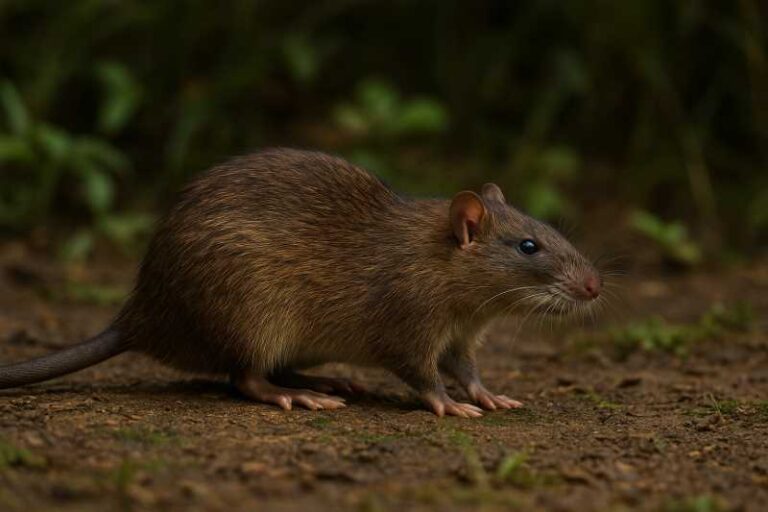
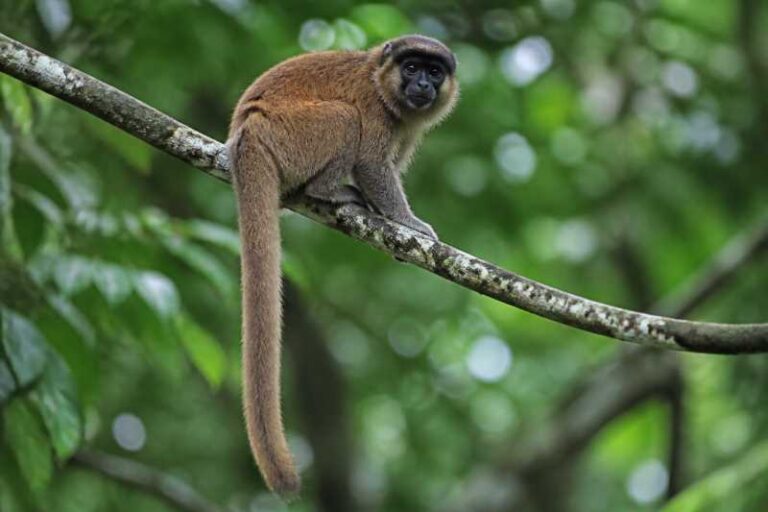
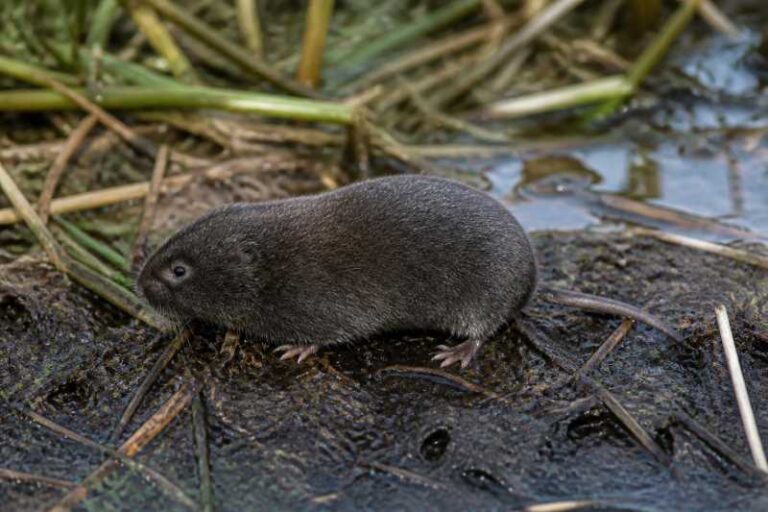
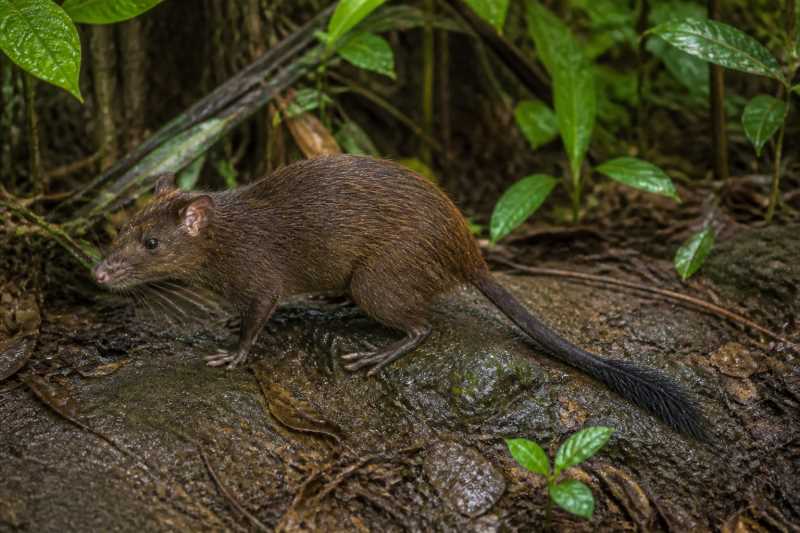
The Sinnamary Brush-tailed Rat is a medium-sized rodent characterized by its distinctively bushy tail, which serves as a key identifier. Adults typically weigh between 250 to 350 grams and measure approximately 25 to 30 centimeters in body length, with the tail adding an additional 20 to 25 centimeters. Their fur is dense and soft, predominantly featuring shades of brown and gray, with subtle variations depending on the individual and its specific habitat. The underbelly is usually lighter, providing a stark contrast to the darker dorsal side. Its large, rounded ears and prominent whiskers are adaptations that enhance its sensory perception, crucial for nocturnal navigation.
Range and Habitat
The natural range of the Sinnamary Brush-tailed Rat is primarily confined to the dense tropical forests of French Guiana and parts of northern Brazil. These rodents are arboreal, meaning they spend most of their time in the trees, navigating the complex canopy layers with agility and ease. They favor secondary forests and areas with abundant vegetation, which provide ample food resources and shelter from predators. These habitats offer a rich tapestry of foliage, vines, and branches that facilitate their arboreal lifestyle.
Behavior and Diet
The Sinnamary Brush-tailed Rat is primarily nocturnal, venturing out at night to forage for food. Its diet mainly consists of fruits, seeds, and leaves, though it may occasionally consume small insects. This diet reflects the abundance of plant material available in its forest habitat. The rat’s feeding habits aid in seed dispersal, contributing to the regeneration and health of its ecosystem. Socially, they are relatively solitary creatures, coming together primarily for mating purposes. Their reproductive cycle is poorly understood, but like many tropical rodents, they likely have multiple litters per year, each with a small number of offspring.
Identification Tips (field recognition cues)
Identifying the Sinnamary Brush-tailed Rat in the wild can be challenging due to its elusive nature and nocturnal habits. However, several key characteristics can aid in its recognition:
- Tail: Look for the distinctive bushy tail that sets it apart from other rodents.
- Fur Color: Note the contrast between the darker dorsal fur and the lighter underbelly.
- Size: Its medium size is notable when compared to other sympatric rodent species.
- Ears and Whiskers: Large, rounded ears and prominent whiskers are significant features.
Observing these features requires patience and often the aid of night-vision equipment or cameras.
Conservation Status (with threats and protections)
The conservation status of the Sinnamary Brush-tailed Rat is currently classified as Data Deficient by the International Union for Conservation of Nature (IUCN). This designation reflects the limited information available on the species’ population trends and distribution. However, like many tropical species, it faces potential threats from habitat destruction due to logging, agriculture, and urban expansion. The encroachment of human activities into its natural habitat could lead to population declines if not managed responsibly.
Protections for the Sinnamary Brush-tailed Rat are primarily indirect, through the conservation of its forest habitats. Protected areas in French Guiana and Brazil play a vital role in maintaining the ecosystems that support this and many other species. Continued research is necessary to better understand its ecological needs and to develop targeted conservation strategies.
Frequently Asked Questions
What does the Sinnamary Brush-tailed Rat eat? The Sinnamary Brush-tailed Rat primarily consumes fruits, seeds, and leaves, occasionally supplementing its diet with small insects.
Where can you find the Sinnamary Brush-tailed Rat? This species is found in the tropical forests of French Guiana and northern Brazil, where it inhabits the dense, arboreal landscapes.
How can you identify a Sinnamary Brush-tailed Rat? Key identification features include its bushy tail, medium size, contrasting fur colors, and large, rounded ears.
Is the Sinnamary Brush-tailed Rat endangered? Currently, the IUCN lists the species as Data Deficient, meaning there is insufficient information on its population status.
What threats does the Sinnamary Brush-tailed Rat face? The primary threats include habitat destruction due to logging, agriculture, and urbanization, impacting its forest environment.
Related posts