Introduction
The Amami Rabbit, scientifically known as Pentalagus furnessi, is a rare and unique species that captivates wildlife enthusiasts and researchers alike. Endemic to Japan, this elusive rabbit is primarily found on the Amami Oshima and Tokunoshima islands in the Ryukyu Archipelago. Often regarded as a living fossil, the Amami Rabbit provides essential insights into the evolutionary history of lagomorphs. This article delves into the fascinating world of the Amami Rabbit, exploring its physical characteristics, habitat, behavior, and the urgent conservation efforts needed to protect this endangered species.
Physical Description
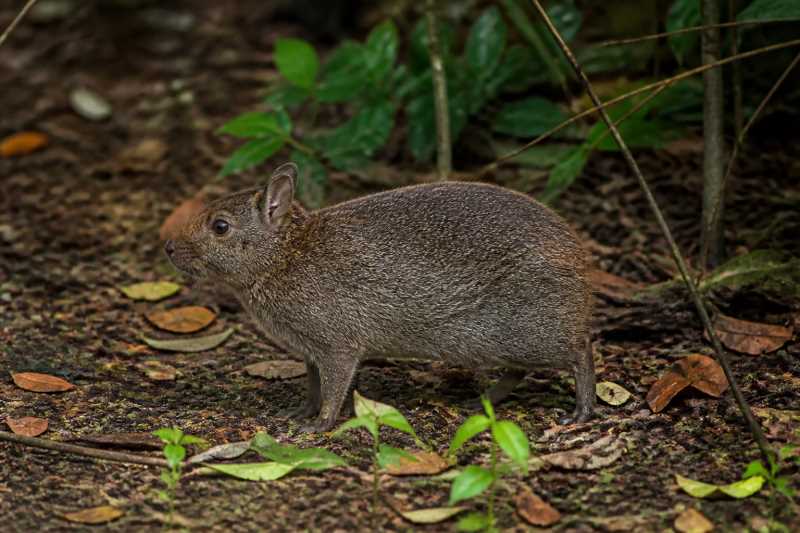
The Amami Rabbit stands out with its distinct physical features. It is a medium-sized rabbit, weighing between 2 and 3 kilograms (4.4 to 6.6 pounds), and measures approximately 40 to 50 centimeters (15.7 to 19.7 inches) in length. Unlike most rabbits, the Amami Rabbit has short legs and a stocky build, which aids in its ability to navigate the dense forest undergrowth of its habitat.
Their fur is dark brown, almost black, providing excellent camouflage in their forested environment. This dense fur also helps them withstand the cooler temperatures of their mountainous habitats. One of the most striking features of the Amami Rabbit is its short, rounded ears, which are significantly smaller than those of other rabbit species. This adaptation helps reduce heat loss and may also play a role in avoiding detection by predators.
Another distinctive characteristic is their strong, curved claws, which are adapted for digging and foraging in the forest floor. These claws are essential for their survival, allowing them to create burrows and access food sources hidden beneath the leaf litter.
Range and Habitat
The Amami Rabbit is endemic to the Amami Islands, specifically the islands of Amami Oshima and Tokunoshima. These islands are located in the Ryukyu Archipelago, a chain of islands that stretches from the southern tip of Japan’s main islands to Taiwan.
This species inhabits subtropical forests, with a preference for areas with dense vegetation and a rich understory. The forests of Amami Oshima and Tokunoshima provide the ideal environment for the Amami Rabbit, offering both shelter from predators and abundant food resources.
Their range is limited to these islands, and within them, the rabbits occupy a variety of habitats, including mountain slopes, valleys, and riverbanks. This restricted range makes them highly vulnerable to habitat loss and other environmental changes.
Behavior and Diet
Amami Rabbits are nocturnal and elusive creatures, rarely seen during the day. They spend daylight hours in burrows or hidden beneath dense vegetation, emerging only at night to forage for food. Their nocturnal habits help them avoid predators and reduce the risk of heat stress.
Their diet primarily consists of a variety of plant materials, including leaves, shoots, grasses, and the bark of young trees. The Amami Rabbit plays a crucial role in its ecosystem by aiding in seed dispersal and maintaining the health of the forest floor.
Socially, Amami Rabbits are relatively solitary animals, although they may occasionally be seen in small family groups. They communicate through a series of vocalizations and scent markings, which help them establish territory and warn of potential threats.
Identification Tips
Identifying an Amami Rabbit in the wild requires keen observation and a bit of luck, given their nocturnal and secretive nature. Here are some field recognition cues to help spot this elusive species:
- Size and Build: Look for a medium-sized rabbit with a stocky build and short legs.
- Fur Color: Their dark brown to black fur is a key identification feature, providing excellent camouflage in the forest.
- Ears: Note the short, rounded ears, which are distinctive compared to other rabbit species.
- Claws: If close enough, observe the strong, curved claws used for digging.
Conservation Status
The Amami Rabbit is classified as Endangered by the International Union for Conservation of Nature (IUCN). The primary threats to this species include habitat loss, predation by invasive species, and human activities.
Habitat Loss: Deforestation for agriculture and development has significantly reduced the available habitat for the Amami Rabbit. The expansion of human settlements and infrastructure also fragments their habitat, making it difficult for populations to sustain themselves.
Predation: Invasive species such as feral cats and mongooses pose a significant threat to the Amami Rabbit. These predators have been introduced to the islands and have contributed to the decline of rabbit populations.
Conservation Efforts: Efforts to conserve the Amami Rabbit include habitat restoration, the establishment of protected areas, and the control of invasive species. The Japanese government, along with local conservation organizations, are actively working to safeguard the remaining populations and their habitats.
Frequently Asked Questions
1. What makes the Amami Rabbit unique compared to other rabbits?
The Amami Rabbit is unique due to its primitive characteristics, such as short ears and strong claws, which make it more similar to ancient rabbit species. Its restricted range and nocturnal habits also distinguish it from more common rabbit species.
2. Why is the Amami Rabbit considered a living fossil?
The Amami Rabbit is considered a living fossil because it retains primitive features that have changed little over millions of years. This makes it an important species for understanding the evolutionary history of rabbits and hares.
3. How can I help in the conservation of the Amami Rabbit?
Supporting local conservation initiatives and raising awareness about the threats facing the Amami Rabbit can aid in its conservation. Donations to relevant organizations and responsible tourism practices can also contribute to their protection.
4. What is the primary diet of the Amami Rabbit?
The Amami Rabbit primarily feeds on plant materials, including leaves, shoots, grasses, and bark. Their foraging habits help maintain the health of their forest ecosystem.
5. Are there any cultural significances of the Amami Rabbit in Japan?
The Amami Rabbit holds cultural significance in the Ryukyu Islands, often featured in local folklore and seen as a symbol of the islands’ unique natural heritage.
Related posts