Hose’s Langur: An In-Depth Look at the Elusive Primate
Introduction
Hose’s Langur, scientifically known as Presbytis hosei, is a captivating primate species native to Southeast Asia. Named after Charles Hose, an influential British colonial administrator and naturalist, this species is renowned for its striking appearance and elusive nature. Hose’s Langur plays a crucial role in the ecological balance of its habitat, yet it faces numerous challenges that threaten its survival. In this article, we delve into the various aspects of Hose’s Langur, from its physical characteristics to its conservation status, offering a comprehensive overview of this remarkable primate.
Physical Description
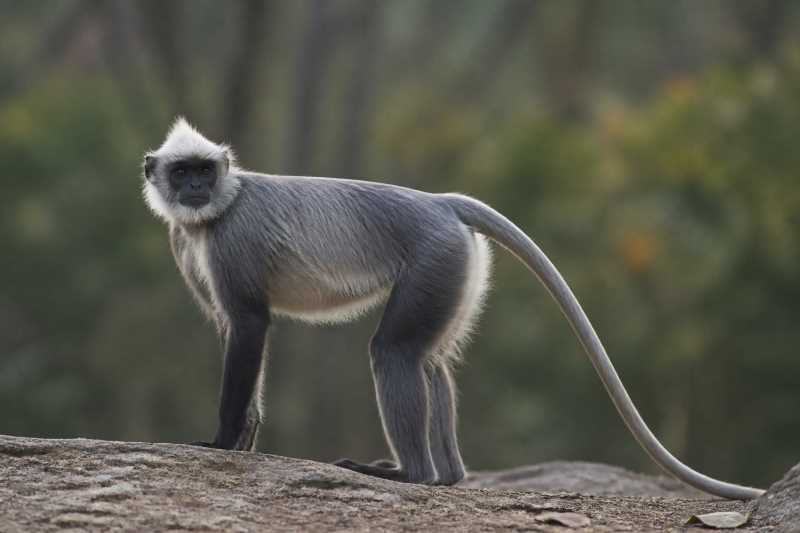
Hose’s Langur is a medium-sized primate, exhibiting a distinctive appearance that sets it apart from other langur species. Adults typically weigh between 6 to 8 kilograms and measure approximately 45 to 60 centimeters in length, excluding the tail, which adds an additional 75 to 90 centimeters. The species is characterized by a sleek, slender build and long limbs, adaptations that facilitate agile movement through the dense forest canopy.
The fur of Hose’s Langur is predominantly grey, with lighter shades on the underparts and darker tones on the back and limbs. One of the most striking features is the contrasting white patches on the ventral side, around the face, and on the inner limbs. The face itself is framed by a white, furred border, highlighting the expressive, almond-shaped eyes and the pronounced brow ridge.
Juveniles are born with a lighter coat, which darkens as they mature. The distinct coloration and markings of Hose’s Langur not only aid in species recognition but also play a role in thermoregulation and camouflage within its forested environment.
Range and Habitat
Hose’s Langur is endemic to the island of Borneo, specifically found in the Malaysian states of Sarawak and Sabah, as well as parts of Indonesian Kalimantan. Its habitat is primarily confined to the dense, tropical rainforests that blanket the island, ranging from lowland dipterocarp forests to montane regions at elevations up to 1,200 meters.
These primates are arboreal by nature, spending the majority of their lives in the treetops, where they navigate with ease due to their adept climbing abilities. The forest canopy offers not only a rich array of food sources but also protection from ground-dwelling predators. However, this dependence on forested environments makes Hose’s Langur particularly vulnerable to habitat destruction caused by logging, agricultural expansion, and infrastructure development.
Behavior and Diet
Hose’s Langur exhibits a complex social structure, typically forming groups of 10 to 15 individuals. These groups are often composed of a single dominant male and multiple females with their offspring. Social bonds are reinforced through grooming, vocalization, and coordinated movement through the forest.
The diet of Hose’s Langur is primarily folivorous, consisting largely of young leaves, fruits, seeds, and flowers. Their specialized stomachs are adapted to ferment cellulose, allowing them to extract maximum nutrients from their fibrous diet. Seasonal variations in food availability can lead to shifts in dietary composition, with a preference for more energy-rich fruits during periods of abundance.
Hose’s Langur is diurnal, being most active during the early morning and late afternoon. During the hottest parts of the day, they typically rest in the shade, conserving energy and avoiding heat stress. Their movement patterns are largely dictated by the location of food sources and the need to avoid predators, such as large birds of prey and arboreal snakes.
Identification Tips (Field Recognition Cues)
Identifying Hose’s Langur in the wild can be challenging due to its elusive nature and the dense forest canopy it inhabits. However, several key features can aid in recognition:
- Coloration: Look for the distinctive grey coat with white ventral patches and facial markings.
- Tail: The long, slender tail is often held upright and used for balance during arboreal movement.
- Behavior: Observe the group’s social dynamics; Hose’s Langur exhibits cohesive group behavior with synchronized feeding and resting.
- Vocalizations: Listen for their characteristic calls, which include a variety of chirps, whistles, and grunts used for communication within the group.
- Habitat: Focus on forested areas within Borneo, particularly in regions with intact canopy cover.
Conservation Status (With Threats and Protections)
Hose’s Langur is currently classified as Near Threatened on the IUCN Red List, with populations experiencing a decline due to several anthropogenic pressures. Habitat loss remains the most significant threat, driven by illegal logging, palm oil plantation expansion, and infrastructure development. These activities not only reduce available habitat but also fragment existing forest, isolating populations and disrupting social structures.
Additionally, Hose’s Langur faces threats from hunting, both for bushmeat and the illegal pet trade. Although the species is protected under national laws in Malaysia and Indonesia, enforcement is often inadequate, and illegal activities continue to pose a significant risk.
Conservation efforts are underway, focusing on habitat preservation and restoration, legal protection, and community engagement. Protected areas such as national parks and wildlife reserves play a crucial role in safeguarding habitats. International collaboration and increased awareness are also vital components in ensuring the long-term survival of Hose’s Langur.
Frequently Asked Questions
What is the main diet of Hose’s Langur? Hose’s Langur primarily feeds on leaves, fruits, seeds, and flowers. Their specialized digestive system allows them to efficiently process the cellulose-rich components of their diet.
Where can Hose’s Langur be found? Hose’s Langur is endemic to the island of Borneo, specifically in the Malaysian states of Sarawak and Sabah, and parts of Indonesian Kalimantan.
How does habitat loss affect Hose’s Langur? Habitat loss leads to reduced living space and resource availability, fragmenting populations and increasing vulnerability to predation and human conflict.
What are the main threats to Hose’s Langur? The primary threats include habitat destruction due to logging and agriculture, hunting for bushmeat, and capture for the illegal pet trade.
How can we help in the conservation of Hose’s Langur? Supporting conservation organizations, promoting sustainable land-use practices, and raising awareness about the species and its habitat are key actions individuals can take.
Related posts