Cowan’s Shrew Tenrec: A Comprehensive Guide
Introduction
Cowan’s Shrew Tenrec (Microgale cowani) is a fascinating small mammal endemic to the lush forests of Madagascar. This insectivorous species, part of the Tenrecidae family, is an integral part of the island’s diverse ecosystem. Despite its small size, Cowan’s Shrew Tenrec plays a significant role in maintaining ecological balance. In recent years, interest in this unique creature has surged among researchers and wildlife enthusiasts alike, primarily due to its distinctive characteristics and the ecological challenges it faces.
Physical Description
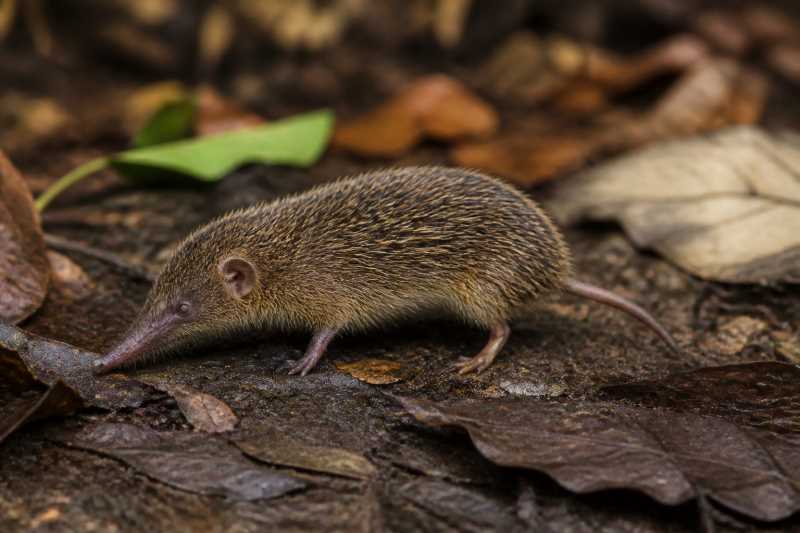
Cowan’s Shrew Tenrec is a small, nocturnal mammal with a body length ranging from 10 to 15 centimeters, including a tail that constitutes about one-third of its total length. It typically weighs between 30 to 50 grams. The species is characterized by its soft, dense fur, which is generally gray or brown, providing excellent camouflage within its natural habitat. Its pointed snout and small, beady eyes are adapted for its nocturnal lifestyle, aiding in foraging for insects and small invertebrates at night.
The tenrec’s limbs are short but robust, supporting efficient movement through underbrush and leaf litter. Unlike other tenrec species, Cowan’s Shrew Tenrec lacks the distinctive spines found on some of its relatives, instead relying on its agility and camouflage for protection against predators.
Range and Habitat
Cowan’s Shrew Tenrec is native exclusively to Madagascar, where it inhabits the island’s rainforests. It is predominantly found in the eastern and northern regions, areas known for their dense vegetation and rich biodiversity. These rainforests provide an abundance of food resources and shelter, crucial for the tenrec’s survival.
The species thrives in humid environments with thick undergrowth, which offers ample hiding spots from predators and facilitates its insectivorous diet. However, deforestation and habitat fragmentation pose significant threats to its habitat, making conservation efforts critical to its continued existence.
Behavior and Diet
As a nocturnal animal, Cowan’s Shrew Tenrec is most active at night, using its keen sense of smell to forage for food. Its diet primarily consists of insects and small invertebrates, including beetles, worms, and spiders. This diet not only sustains the tenrec but also helps control insect populations within its habitat.
Socially, Cowan’s Shrew Tenrec is generally solitary, with individuals maintaining their own territories. Mating occurs seasonally, with females giving birth to litters of two to four young after a short gestation period. The young are cared for by the mother until they are capable of fending for themselves.
Identification Tips (Field Recognition Cues)
Identifying Cowan’s Shrew Tenrec in the wild requires a keen eye and knowledge of its distinctive features:
- Size and Shape: Look for a small mammal with a slender body, roughly 10 to 15 centimeters in length.
- Fur Color: Its fur is typically gray or brown, aiding in camouflage against the forest floor.
- Snout and Eyes: Note the pointed snout and small, beady eyes, which are adapted for nighttime activity.
- Behavior: Observe for nocturnal foraging activity, primarily at dusk or during the night.
By focusing on these cues, wildlife enthusiasts can enhance their chances of spotting this elusive creature in its natural environment.
Conservation Status (With Threats and Protections)
Cowan’s Shrew Tenrec is currently classified as Least Concern by the International Union for Conservation of Nature (IUCN). However, its populations are under pressure due to habitat loss from deforestation and agricultural expansion. These activities lead to habitat fragmentation, which isolates populations and reduces genetic diversity.
Conservation efforts in Madagascar focus on preserving rainforest habitats and promoting sustainable land-use practices. Protected areas and national parks play a vital role in safeguarding the tenrec’s habitat. Additionally, local community involvement in conservation initiatives is crucial to balancing ecological preservation with human development needs.
Frequently Asked Questions
What is the diet of Cowan’s Shrew Tenrec?
Cowan’s Shrew Tenrec primarily feeds on insects and small invertebrates such as beetles, worms, and spiders, which it hunts using its keen sense of smell and nocturnal habits.
Where can Cowan’s Shrew Tenrec be found?
This species is endemic to Madagascar’s rainforests, mainly in the eastern and northern regions, where it inhabits humid, dense vegetation.
How does Cowan’s Shrew Tenrec avoid predators?
Cowan’s Shrew Tenrec relies on its camouflage, agility, and nocturnal lifestyle to evade predators. Its fur blends with the forest floor, making it less visible.
What are the main threats to Cowan’s Shrew Tenrec?
The primary threats include habitat loss due to deforestation and agricultural expansion, which lead to fragmentation and isolation of populations.
How can we help conserve Cowan’s Shrew Tenrec?
Supporting rainforest conservation initiatives, sustainable land practices, and community-based conservation efforts can help protect the habitats essential for the survival of Cowan’s Shrew Tenrec.
Related posts