Introduction
The numbat (Myrmecobius fasciatus), also known as the banded anteater, is a small marsupial native to Australia. This unique species is a remarkable example of evolutionary adaptation, boasting features and behaviors particularly suited to its survival in the wild. Known for its striking appearance and specialized diet, the numbat plays a crucial role in its ecosystem, contributing to the maintenance of ecological balance. However, this fascinating creature faces numerous challenges that threaten its existence, making conservation efforts vital for its continued survival.
Physical Description
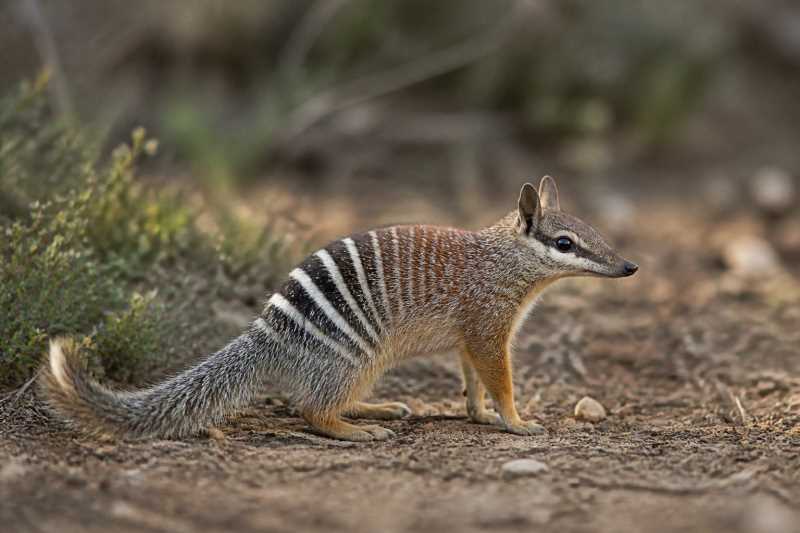
The numbat is a small, slender marsupial characterized by its distinctive coloration and markings. Measuring approximately 35 to 45 centimeters in length, including its bushy tail, and weighing between 280 to 700 grams, the numbat is a relatively small species. Its fur is short and dense, primarily reddish-brown on the back, with a series of prominent white bands stretching across its back and sides. These bands, usually numbering between four and eleven, provide a striking contrast against its darker fur, aiding in camouflage.
Numbats have a long, pointed snout and a sticky, elongated tongue, which can extend up to 10 centimeters, perfectly adapted for foraging ants and termites. Their small, round ears and large eyes give them a keen sense of hearing and sight, crucial for detecting predators and locating food. Unlike many marsupials, numbats do not possess a pouch; instead, females have a temporary skin fold to protect their young.
Range and Habitat
Historically, numbats were widespread across southern Australia, ranging from Western Australia to New South Wales. Today, their range has significantly contracted, with the majority of the population found in small, isolated areas in Western Australia. A few reintroduced populations exist in fenced reserves in South Australia and New South Wales.
Numbats inhabit eucalyptus woodlands and forests, particularly those with a dense understory of shrubs and fallen logs. These environments provide the necessary conditions for their primary food source, termites, as well as ample cover from predators. The presence of fallen timber is vital, as numbats often shelter in hollow logs or burrows.
Behavior and Diet
Numbats are diurnal, meaning they are active during the day, a rarity among Australian marsupials. This behavior is closely linked to their diet, as termites are more accessible in the warmer daytime temperatures. Numbats spend the majority of their day foraging, using their keen sense of smell to locate termite colonies. Once a colony is located, they dig into the soil with their claws and use their long, sticky tongue to extract termites.
A numbat can consume up to 20,000 termites in a single day, making them highly specialized insectivores. Their foraging habits play a critical role in controlling termite populations, which can be detrimental to both natural and human-made structures if left unchecked.
Numbats are solitary animals, with each individual occupying a home range that can vary from 25 to 50 hectares depending on the availability of resources. They communicate with each other through scent markings and a series of soft vocalizations, particularly during the breeding season.
Identification Tips (Field Recognition Cues)
Identifying a numbat in the wild requires keen observation and awareness of their distinctive features and behaviors. Here are some tips for recognizing this remarkable species:
- Coloration and Markings: Look for the characteristic reddish-brown fur with distinct white bands across the back and sides.
- Size and Shape: Note the small, slender build, long snout, and bushy tail.
- Behavior: Observe diurnal activity; numbats are active during the day, especially in warm weather.
- Habitat: Search in eucalyptus woodlands and forests with abundant fallen logs and termite activity.
- Foraging Method: Watch for the numbat’s unique foraging behavior, using its long tongue to extract termites from the ground.
Conservation Status (with threats and protections)
The numbat is currently classified as an endangered species by the International Union for Conservation of Nature (IUCN). The primary threats to their survival include habitat loss, predation by introduced species such as foxes and feral cats, and bushfires.
Habitat destruction, particularly due to agricultural expansion and urban development, has severely reduced the numbat’s natural range. The introduction of predators like foxes and cats has further compounded their decline, as these animals prey heavily on numbats, especially juveniles.
Conservation efforts are focused on habitat restoration, predator control, and reintroduction programs. Protected areas and reserves have been established to provide safe havens for numbats, and ongoing research aims to better understand their ecological needs and improve management strategies.
Frequently Asked Questions
What do numbats eat?
Numbats primarily feed on termites, consuming up to 20,000 termites per day. They use their long, sticky tongue to extract termites from the ground.
Where can you find numbats in the wild?
Numbats are currently found in small, isolated areas in Western Australia, with reintroduced populations in fenced reserves in South Australia and New South Wales.
How do numbats protect themselves from predators?
Numbats rely on their keen sense of smell and hearing to detect predators. They use camouflage provided by their coloration and seek shelter in hollow logs and burrows.
Are numbats endangered?
Yes, numbats are classified as endangered due to habitat loss, predation by introduced species, and bushfires. Conservation efforts are underway to protect and restore their populations.
What is the breeding season for numbats?
Numbats typically breed between January and May. Females give birth to up to four young, which they carry on their belly for several months until they can fend for themselves.
Related posts