Introduction
The Rufous Mouse Opossum, scientifically known as Marmosa lepida, is a fascinating marsupial species that is often overlooked due to its elusive nature and small size. Found primarily in South America, this species plays a crucial role in its ecosystem. Despite its relatively obscure status in popular biology, the Rufous Mouse Opossum has drawn attention from researchers due to its unique adaptations and behaviors. Understanding this species is essential, not only from a scientific standpoint but also for conservation efforts aimed at preserving the delicate ecosystems it inhabits.
Physical Description
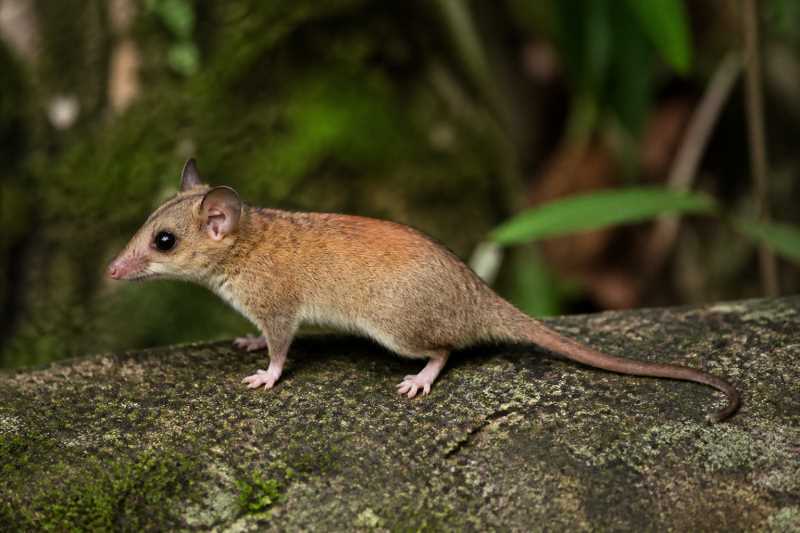
Marmosa lepida is a small marsupial, measuring approximately 13 to 16 centimeters in body length, with a tail that often exceeds its body length, ranging from 15 to 20 centimeters. This tail is prehensile, aiding in climbing and balance among the branches of its arboreal habitat. The species is characterized by its soft, dense fur which is primarily rufous or reddish-brown on the dorsal side, transitioning to a lighter, creamier hue on the ventral side. The Rufous Mouse Opossum’s ears are notably large and rounded, contributing to its acute sense of hearing. Its eyes are large and adapted for nocturnal activity, reflecting a silvery sheen when caught in light at night.
Range and Habitat
The Rufous Mouse Opossum is predominantly found in the Amazon basin, with its range extending across Brazil, Peru, and Bolivia. This species thrives in tropical rainforest environments, particularly in areas with dense canopy cover that provides ample shelter and foraging opportunities. It is arboreal by nature, spending most of its life in trees, where it can avoid ground-based predators and take advantage of the abundant food resources found in the forest canopy.
Behavior and Diet
This opossum species is primarily nocturnal, utilizing the cover of darkness to forage and avoid predators. Its diet is omnivorous, consisting of a variety of fruits, insects, and small vertebrates. The Rufous Mouse Opossum is known for its opportunistic feeding habits, which allow it to adapt to seasonal changes in food availability. Socially, it is a solitary creature, with interactions between individuals typically limited to mating activities. Breeding occurs once or twice a year, and as with other marsupials, the young are born underdeveloped and continue to grow in the mother’s pouch before transitioning to riding on her back.
Identification Tips
Identifying the Rufous Mouse Opossum in the field requires careful observation of several characteristics:
- Size and Tail: Note the small body size and disproportionately long, prehensile tail.
- Fur Color: Observe the reddish-brown dorsal fur and lighter ventral fur.
- Ears and Eyes: Look for the large, rounded ears and reflective eyes typical of nocturnal creatures.
- Habitat: Consider the environment; this species is more likely to be seen in dense, humid forests, particularly in the Amazon region.
Conservation Status
Currently, the Rufous Mouse Opossum is classified as Least Concern by the IUCN Red List, but this does not mean it is free from threats. Deforestation is the primary threat to its habitat, driven by logging, agriculture, and infrastructure development. Climate change also poses a future risk by altering the delicate balance of its rainforest ecosystem. Conservation efforts focus on habitat preservation and sustainable land-use practices to mitigate these threats. Protected areas in the Amazon basin serve as critical refuges for this and many other species.
Frequently Asked Questions
How can I distinguish a Rufous Mouse Opossum from other opossums?
The Rufous Mouse Opossum can be distinguished by its smaller size, rufous-colored fur, and large, rounded ears. Additionally, its habitat preference for dense, tropical forests sets it apart from other opossum species that may inhabit more open or varied environments.
What role does the Rufous Mouse Opossum play in its ecosystem?
This species contributes to its ecosystem primarily through seed dispersal and as a prey item for larger predators. Its feeding habits help in controlling insect populations and, by extension, influence the dynamics of the forest floor’s nutrient cycle.
Are Rufous Mouse Opossums endangered?
While not currently endangered, the Rufous Mouse Opossum faces habitat threats that could impact its population in the future. Active conservation efforts and habitat protection are crucial to ensuring its long-term survival.
Related posts