Alston’s Woolly Mouse Opossum (Marmosa alstoni)
Introduction
Alston’s Woolly Mouse Opossum, scientifically known as Marmosa alstoni, is a small marsupial native to Central and South America. This elusive creature is a member of the Didelphidae family, which includes a variety of opossum species. Known for its distinctive woolly fur and small size, Alston’s Woolly Mouse Opossum has captured the interest of scientists and wildlife enthusiasts alike. This article explores the various aspects of this unique species, including its physical characteristics, habitat preferences, behavior, diet, and conservation status.
Physical Description
Alston’s Woolly Mouse Opossum is notable for its petite size and woolly appearance. Adults typically measure between 10 to 15 centimeters in body length, with a prehensile tail that can add an additional 14 to 20 centimeters. This tail is an essential feature, aiding in balance and grasping when navigating through trees. The opossum’s weight ranges from 25 to 40 grams, making it one of the smaller members of the marsupial family.
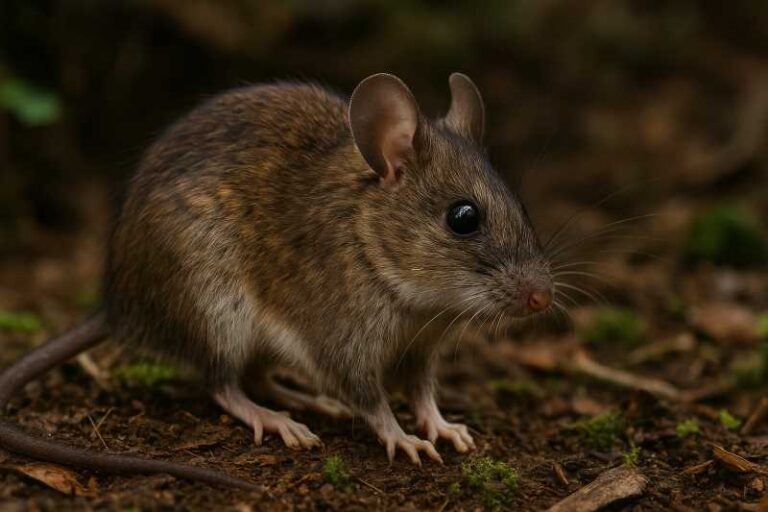
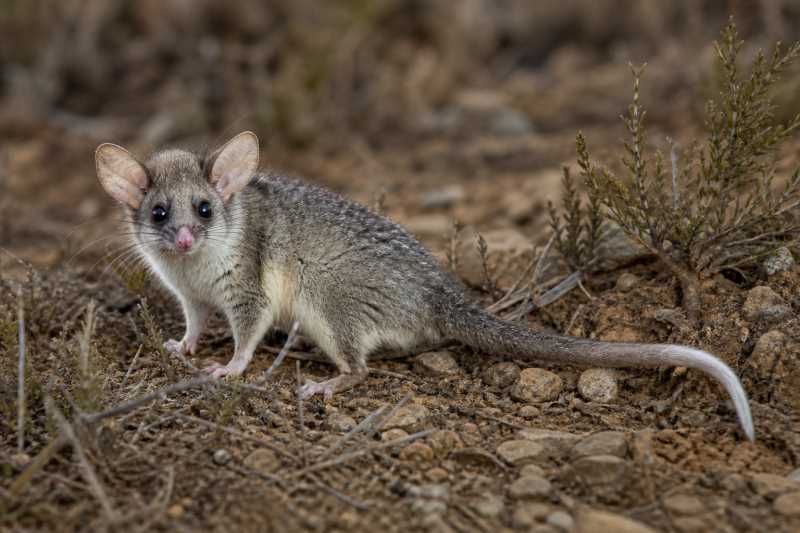
The fur of Alston’s Woolly Mouse Opossum is soft and dense, providing insulation in its tropical habitat. The coloration is generally a mix of grey and brown, with a lighter underside. Its large, dark eyes are adapted for nocturnal activity, and the ears are relatively large and rounded, enhancing their hearing capabilities. The combination of these physical traits makes it well-suited to a life of arboreal activity.
Range and Habitat
Alston’s Woolly Mouse Opossum is primarily distributed across the tropical and subtropical regions of Central and South America. Its range extends from Nicaragua in the north, down through Costa Rica and Panama, and into the northern parts of Colombia. The species inhabits a variety of forested environments, including tropical rainforests, cloud forests, and secondary growth forests.
These opossums are highly arboreal, preferring the canopy and understory layers of the forest. They are adept climbers, often found in areas with dense foliage and high humidity. Their adaptability to different forest types indicates a certain level of ecological flexibility, although intact forest ecosystems are crucial for their survival.
Behavior and Diet
Alston’s Woolly Mouse Opossum is primarily nocturnal, spending the night foraging for food and the day resting in nests made from leaves and other plant materials. These nests are often located in tree hollows or dense vegetation.
Their diet is omnivorous, consisting of fruits, insects, small vertebrates, and occasionally bird eggs. This varied diet helps them adapt to seasonal changes in food availability. The opossum’s sharp teeth and agile movements make it an effective hunter of insects and small prey, while their ability to digest a wide range of plant materials aids in their survival during periods of scarcity.
Identification Tips (Field Recognition Cues)
Identifying Alston’s Woolly Mouse Opossum in the wild can be challenging due to its nocturnal habits and small size. However, there are several cues that can aid in recognition:
- Size and Shape: Look for a small mammal with a body length of 10 to 15 centimeters and a long, prehensile tail.
- Fur Texture and Color: Note the dense, woolly fur that is grey-brown with a lighter belly.
- Ears and Eyes: Large, rounded ears and prominent dark eyes are key features.
- Behavior: Observe for nocturnal activity and arboreal movements, particularly in areas with dense vegetation.
Conservation Status (with Threats and Protections)
The conservation status of Alston’s Woolly Mouse Opossum is currently listed as Least Concern by the International Union for Conservation of Nature (IUCN). However, like many species in tropical regions, it faces threats from habitat destruction and fragmentation due to agriculture, logging, and urbanization.
Despite its adaptability, the opossum’s reliance on forested environments makes it vulnerable to deforestation. Conservation efforts focused on preserving natural habitats and promoting sustainable land use practices are essential for the continued survival of this species.
Protected areas and national parks within its range offer some level of security, but ongoing conservation measures are necessary to mitigate the impacts of human activities.
Frequently Asked Questions
What do Alston’s Woolly Mouse Opossums eat?
Alston’s Woolly Mouse Opossums have an omnivorous diet consisting of fruits, insects, small vertebrates, and bird eggs. This varied diet helps them adapt to different food availabilities throughout the year.
Where can Alston’s Woolly Mouse Opossum be found?
This species is found in Central and South America, ranging from Nicaragua to northern Colombia. They inhabit tropical rainforests, cloud forests, and secondary growth forests.
How does Alston’s Woolly Mouse Opossum adapt to its environment?
The opossum’s physical adaptations include a prehensile tail for climbing, nocturnal behavior for avoiding predators, and an omnivorous diet that allows flexibility in food sources. Its woolly fur provides insulation in its humid, tropical habitat.
What are the threats to Alston’s Woolly Mouse Opossum?
The primary threats include habitat destruction and fragmentation due to agriculture, logging, and urban development. Conservation efforts focus on habitat preservation and sustainable land use.
How can one identify Alston’s Woolly Mouse Opossum?
Identification cues include its small size, woolly grey-brown fur, large eyes, and rounded ears. Observing its nocturnal and arboreal behavior in forested areas can also aid in identification.
Related posts