The Bornean Treepie: An Ornithological Jewel of Borneo
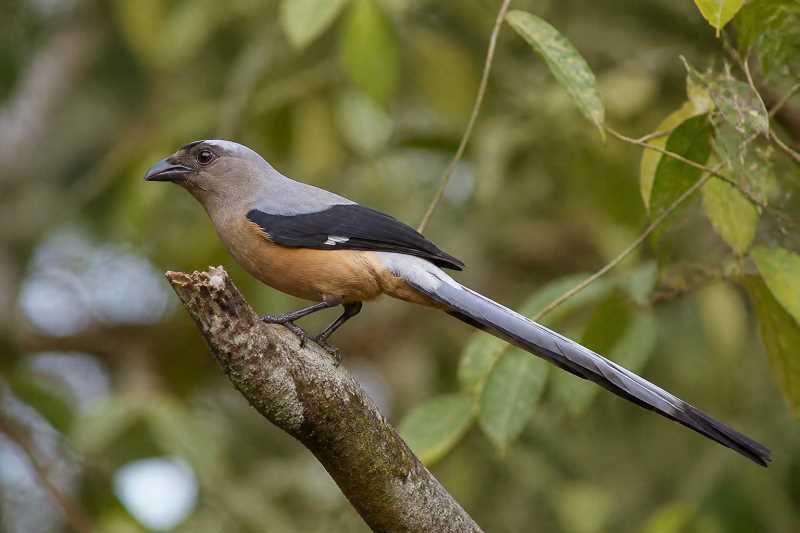
The Bornean treepie (Dendrocitta cinerascens), an avian species endemic to the lush forests of Borneo, is a member of the Corvidae family, which includes crows, ravens, and magpies. With its unique appearance and intriguing behaviors, the Bornean treepie represents an essential component of the island’s rich biodiversity. This article delves into the distinguishing features, habitat, behavior, and conservation status of this captivating bird, offering a comprehensive understanding of its ecological significance.
Distinctive Features
The Bornean treepie is a medium-sized bird, measuring approximately 40 centimeters in length. Its plumage is a harmonious blend of muted colors, predominantly grayish-black with a distinctive rufous-brown back and wings. The tail, which is longer than its body, is a striking feature with a black terminal band, creating a contrast against the lighter body. The bird’s bill is short and stout, adapted for its omnivorous diet, while its legs are strong and well-suited for perching on branches.
The treepie’s vocalizations are as distinctive as its appearance. It is known for its varied calls, ranging from harsh caws to melodious whistles, often used in communication with other members of its species. These vocalizations play a crucial role in maintaining social structures within treepie communities.
Habitat and Distribution
The Bornean treepie is exclusively found in Borneo, an island shared by Malaysia, Indonesia, and Brunei. Its preferred habitats are the subtropical and tropical moist lowland forests, as well as montane forests at elevations of up to 1,200 meters. These environments provide ample food sources and nesting sites, essential for the bird’s survival.
Forests in Borneo are renowned for their complex ecosystems and high levels of biodiversity. The Bornean treepie, as an integral part of this ecosystem, contributes to seed dispersion and insect population control. Its presence is indicative of the health of the forest, making it a vital species for ecological balance.
Behavioral Patterns
Bornean treepies are social birds, often observed in small groups or family units. These groups engage in cooperative behaviors, such as foraging and raising young. The treepies’ diet is diverse, comprising insects, fruits, seeds, and occasionally small vertebrates, reflecting their adaptability to available resources.
Nesting occurs during the dry season, with treepies building their nests high in the canopy, using twigs and leaves. The female typically lays two to four eggs, which both parents incubate. Upon hatching, the chicks are cared for by the entire group, highlighting the species’ communal nature.
Conservation Status
Currently, the Bornean treepie is classified as "Near Threatened" by the International Union for Conservation of Nature (IUCN). This status is attributed to habitat loss due to logging, agriculture, and palm oil plantation expansion, which threatens the bird’s natural habitat. Conservation efforts are crucial to protect the remaining forest areas and ensure the survival of this unique species.
Efforts by local and international conservation organizations focus on habitat protection and restoration, as well as raising awareness about the importance of preserving Borneo’s diverse ecosystems. Sustainable forestry practices and ecotourism initiatives also play a role in mitigating the impact of human activities on the treepie’s habitat.
Ecological and Cultural Significance
The Bornean treepie holds ecological significance as both a predator and prey within its ecosystem. By controlling insect populations and aiding in seed dispersal, it maintains the balance of the forest environment. Its presence reflects the overall health and stability of its habitat.
Culturally, birds like the Bornean treepie are admired for their beauty and distinctive calls. They are often featured in local folklore and are a source of inspiration for wildlife enthusiasts and researchers, contributing to the growing interest in Borneo’s avian biodiversity.
Conclusion
The Bornean treepie, with its unique characteristics and vital ecological role, is a testament to the natural wonders of Borneo. Protecting this species requires concerted efforts from conservationists, governments, and local communities to preserve its habitat and ensure its survival. By understanding and appreciating the Bornean treepie, we take a step forward in safeguarding the rich tapestry of life that Borneo has to offer.
Related posts