McConnell’s Flycatcher: A Comprehensive Overview
Introduction
The avian world is replete with fascinating species, each contributing to the rich tapestry of biodiversity. Among these is McConnell’s Flycatcher (Mionectes macconnelli), a bird that, while not as widely known as some of its relatives, is a vital part of the ecosystems it inhabits. This article delves into the characteristics, habitat, behavior, and conservation status of McConnell’s Flycatcher, providing a detailed overview of this intriguing species.
Taxonomy and Classification
McConnell’s Flycatcher belongs to the family Tyrannidae, which is the largest family of birds known as the tyrant flycatchers. These birds are primarily found in the Americas and are known for their robust and adaptive nature. The genus Mionectes, to which McConnell’s Flycatcher belongs, is characterized by small to medium-sized birds that are generally insectivorous.
The species was first described by Charles Chubb in 1919, named in honor of Frederick Vavasour McConnell, an English ornithologist and explorer who contributed significantly to the study of South American birds. The scientific designation, Mionectes macconnelli, reflects this homage.
Physical Characteristics
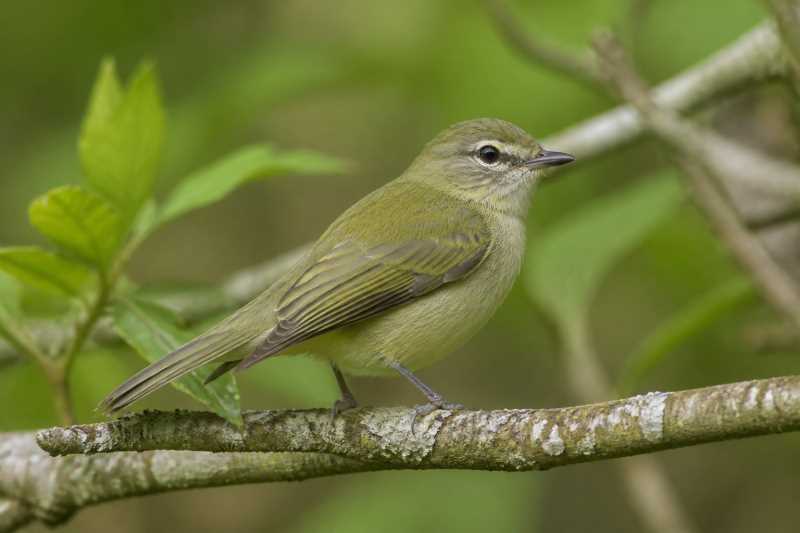
McConnell’s Flycatcher is a relatively small bird, measuring around 12 to 14 centimeters in length. Its plumage is predominantly olive-green, which provides excellent camouflage against the verdant backdrop of its habitat. The bird’s underparts are lighter, often with a subtle yellowish hue. One of its distinctive features is the slightly rounded wings and the short, straight bill, which is well-adapted for capturing insects.
The species exhibits a degree of sexual dimorphism, although it is not as pronounced as in some other bird species. Males and females are similar in coloration, making it challenging to distinguish between them in the field.
Habitat and Distribution
McConnell’s Flycatcher is native to the tropical and subtropical regions of South America. It is predominantly found in countries such as Brazil, Venezuela, Guyana, Suriname, and French Guiana. The bird favors humid forest environments, particularly lowland forests and foothill regions, where it can often be found in the middle to lower strata of the forest canopy.
The species demonstrates a preference for dense, undisturbed forests, although it can occasionally be spotted in secondary growth and edge habitats. Its range is somewhat restricted compared to other members of its family, which makes habitat preservation crucial for its continued survival.
Behavior and Diet
As an insectivorous species, McConnell’s Flycatcher primarily feeds on a diet of insects and other small arthropods. Its foraging strategy involves sallying from a perch to capture prey in mid-air, a common behavior among flycatchers. The bird is also known to glean insects from leaves and branches, showcasing its adaptability in feeding habits.
McConnell’s Flycatcher is generally solitary or found in pairs. It is known for its relatively quiet demeanor, although it does produce a series of soft calls that are used for communication, particularly during the breeding season.
Breeding and Reproduction
The breeding season of McConnell’s Flycatcher varies across its range, influenced by local climatic conditions. The species typically nests in concealed locations within dense foliage, often utilizing natural cavities or building cup-shaped nests from plant fibers and other organic materials.
Clutch size is usually two to three eggs, which are incubated primarily by the female. The incubation period lasts about two weeks, after which the chicks are cared for by both parents. The fledglings leave the nest approximately two to three weeks after hatching, although they remain dependent on their parents for some time thereafter.
Conservation Status
According to the International Union for Conservation of Nature (IUCN), McConnell’s Flycatcher is currently classified as a species of Least Concern. Despite this seemingly favorable status, the species faces ongoing threats from habitat destruction, primarily due to deforestation and land conversion for agriculture and urban development.
Conservation efforts are essential to ensure the long-term survival of McConnell’s Flycatcher. Protecting large tracts of primary forest and establishing reserves are key strategies in mitigating habitat loss. Additionally, promoting sustainable land-use practices can help balance human needs with environmental conservation.
Conclusion
McConnell’s Flycatcher is a remarkable example of the biodiversity found within South America’s tropical forests. Its ecological role as an insectivore helps maintain insect populations, contributing to the overall health of its ecosystem. While currently not at immediate risk, continued conservation efforts are vital to safeguard its future, ensuring that this unique species remains a part of our natural world for generations to come.
In understanding and appreciating species like McConnell’s Flycatcher, we gain insight into the delicate balance of ecosystems and the importance of preserving the rich diversity of life on our planet.
References
- Chubb, C. (1919). Descriptions of new species and subspecies of South American birds. The Ibis, 61, 1-20.
- del Hoyo, J., Elliott, A., & Christie, D. (Eds.). (2004). Handbook of the Birds of the World, Vol. 9: Cotingas to Pipits and Wagtails. Lynx Edicions.
- BirdLife International. (2021). Mionectes macconnelli. The IUCN Red List of Threatened Species 2021.
Related posts