The Enigmatic Moheli Scops Owl: A Glimpse into its Conservation and Ecology
The Moheli Scops Owl (Otus moheliensis) is a fascinating avian species, endemic to the island of Mohéli in the Comoros archipelago. This small owl has captivated ornithologists and conservationists alike, due to its unique ecological niche and the challenges it faces in the wild. In this article, we delve into the biology, habitat, and conservation efforts surrounding this elusive bird.
Taxonomy and Physical Characteristics
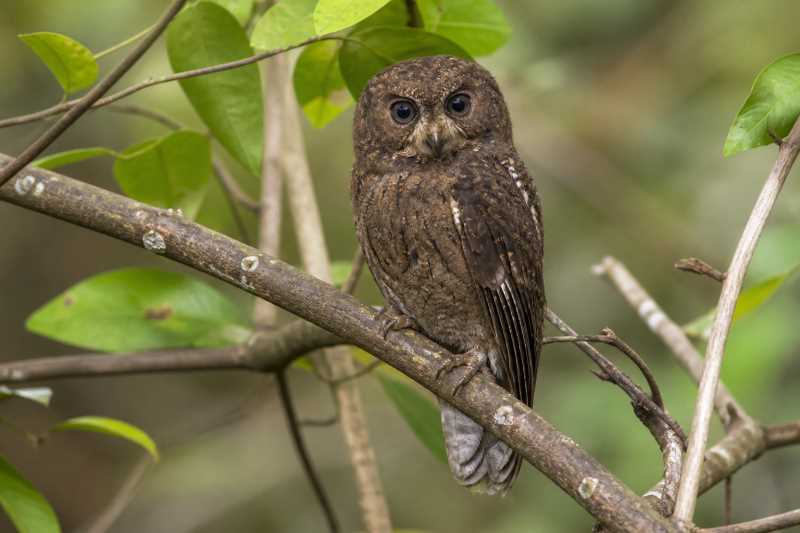
The Moheli Scops Owl was first described scientifically in 1998, making it a relatively recent discovery in the ornithological world. It belongs to the family Strigidae, which encompasses true owls. Morphologically, the Moheli Scops Owl is a small species, measuring approximately 19-21 cm in length. It showcases a distinctive plumage with a combination of brown and white speckles, which provides excellent camouflage against the forest backdrop. The owl’s eyes are strikingly large and yellow, adapted for enhanced night vision, a vital feature for its nocturnal lifestyle.
Habitat and Distribution
As an island endemic, the Moheli Scops Owl is exclusively found on Mohéli Island, which is part of the Comoros group located in the Indian Ocean. The species favors the humid montane forests of the island, thriving in altitudes ranging from 450 to 790 meters. These forests, rich in biodiversity, provide ample opportunities for the owl to hunt its prey, which consists primarily of insects and small vertebrates.
However, the owl’s restricted distribution makes it highly vulnerable to habitat loss. Deforestation, primarily driven by agricultural expansion and logging, poses a significant threat to the remaining forested areas. The alteration of these habitats not only reduces the available hunting grounds but also affects the availability of nesting sites.
Behavior and Diet
The Moheli Scops Owl is a nocturnal predator, utilizing its acute hearing and exceptional night vision to locate prey in the dense undergrowth. Its diet mainly comprises insects such as beetles and moths, although it may also consume small reptiles and amphibians when available. The owl is known for its distinctive call, a series of whistles and trills, which it uses to communicate with potential mates and ward off intruders from its territory.
During the breeding season, which aligns with the rainy season on Mohéli, the female lays one to two eggs in tree cavities or among dense foliage. Both parents are involved in incubating the eggs and feeding the chicks, showcasing a high degree of parental care uncommon in many owl species.
Conservation Status and Efforts
The International Union for Conservation of Nature (IUCN) currently classifies the Moheli Scops Owl as Critically Endangered. This classification highlights the urgent need for conservation measures to protect the species from extinction. The primary threats include habitat destruction and potential predation by introduced species such as rats and cats.
Conservation efforts are underway to mitigate these threats. Local and international wildlife organizations are collaborating to establish protected areas on Mohéli, ensuring the preservation of critical habitats. Additionally, community-based initiatives aim to promote sustainable land-use practices that align with the conservation goals for the owl.
One of the significant challenges in conserving the Moheli Scops Owl is the lack of comprehensive ecological data. Research initiatives are crucial for understanding the owl’s population dynamics, breeding behaviors, and habitat requirements. Such data would inform targeted conservation strategies and help monitor the effectiveness of ongoing efforts.
The Role of Ecotourism
Ecotourism presents a unique opportunity to bolster conservation efforts while supporting local economies. Mohéli’s rich biodiversity, including the Moheli Scops Owl, can attract birdwatchers and nature enthusiasts worldwide. By promoting responsible ecotourism, stakeholders can generate revenue that funds conservation projects and provides incentives for local communities to preserve their natural heritage.
Conclusion
The Moheli Scops Owl is a symbol of the rich biodiversity found on Mohéli Island and reflects the delicate balance between nature and human activity. Protecting this enigmatic species requires a concerted effort from conservationists, researchers, and local communities. By fostering a deeper understanding of the owl’s ecological role and implementing sustainable practices, we can ensure that future generations will also have the opportunity to marvel at this remarkable bird.
In sum, the story of the Moheli Scops Owl is one of discovery, vulnerability, and resilience. It serves as a poignant reminder of the ongoing need for conservation in a rapidly changing world.
Related posts