The Enigmatic Chaco Owl: A Silent Sentinel of the South American Forests
The Chaco Owl, scientifically known as Strix chacoensis, is a captivating yet relatively obscure species of owl inhabiting the subtropical regions of South America. This species is primarily found in the Chaco forests stretching across northern Argentina, Paraguay, and into Bolivia, making it an essential part of these ecosystems. Despite its elusive nature, the Chaco Owl plays a critical role in maintaining the ecological balance of its habitat.
Habitat and Distribution
The Chaco Owl resides primarily in the Gran Chaco, a vast, semi-arid lowland region characterized by hot temperatures and seasonal rainfall. This region is a mosaic of dry forests, savannas, and wetlands, providing a unique environment where the Chaco Owl thrives. These owls prefer dense forests with plenty of canopy cover which offers them ample opportunities to hunt and nest.
The Chaco Owl’s distribution is relatively limited compared to other owl species, primarily due to its reliance on the specific ecological conditions of the Chaco region. As a result, they are considered endemic to this part of the world, making their conservation all the more critical.
Physical Characteristics
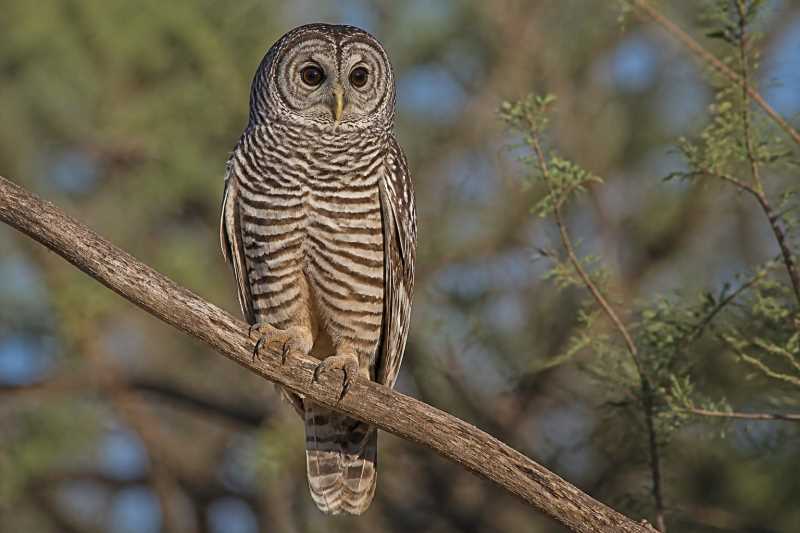
The Chaco Owl is medium-sized, with a length ranging from 35 to 40 centimeters and a wingspan of around 80 to 90 centimeters. Its plumage is predominantly brown with white spots and streaks, providing excellent camouflage against the forest backdrop. This patterning allows the owl to blend seamlessly into its environment, aiding in both predator evasion and prey ambush.
One of the most distinctive features of the Chaco Owl is its facial disc, which is rounded and bordered with darker feathers. This facial structure is not just for show; it plays a vital role in their hunting prowess by directing sound towards their ears, enhancing their already acute hearing.
Behavior and Diet
The Chaco Owl is primarily nocturnal, conducting most of its activities under the cover of darkness. It is a solitary bird, known for its silent flight and stealthy hunting tactics. Its diet is diverse, ranging from small mammals and birds to insects and reptiles. This varied diet helps maintain the ecological balance by controlling the populations of these species within its habitat.
During the breeding season, which generally occurs in the southern hemisphere’s spring and summer months, the Chaco Owl becomes more vocal. Its call is a distinctive series of hoots, which serve both to attract mates and to establish territory. The owls typically nest in tree cavities, where the female lays two to three eggs. Both parents are involved in raising the young, ensuring that the next generation is well-prepared to thrive in the challenging Chaco environment.
Conservation Status and Threats
The Chaco Owl is currently listed as Near Threatened by the International Union for Conservation of Nature (IUCN). The primary threat to their survival is habitat loss due to agricultural expansion, logging, and land conversion for cattle ranching. As these activities continue to encroach upon the Chaco forests, the owls lose vital nesting sites and hunting grounds.
Conservation efforts are being made to protect the Chaco region and its unique biodiversity. Initiatives include establishing protected areas and promoting sustainable land use practices that benefit both local communities and wildlife. Raising awareness about the Chaco Owl and its ecological importance is also crucial in garnering support for its conservation.
The Importance of the Chaco Owl
The Chaco Owl serves as an indicator species, meaning its presence reflects the health of its habitat. Protecting the Chaco Owl ensures the preservation of the entire ecosystem, which is home to a myriad of plant and animal species, some of which are yet to be studied thoroughly.
Furthermore, the Chaco Owl is part of the rich cultural heritage of the indigenous peoples inhabiting the Chaco region. Many local communities have long coexisted with these owls, incorporating them into their folklore and traditions. By conserving the Chaco Owl and its habitat, we are also preserving a significant part of human cultural history.
Conclusion
The Chaco Owl is more than just a mysterious inhabitant of the South American forests; it is a vital component of the Chaco ecosystem. Efforts to protect this owl and its habitat are crucial not only for the species but for the entire ecological tapestry of the region. Through continued research, conservation initiatives, and collaboration with local communities, we can ensure that the Chaco Owl remains a sentinel of the South American forests for generations to come.
Related posts