The Enigmatic Dunnock: A Comprehensive Insight into Prunella modularis
The Dunnock, scientifically known as Prunella modularis, is a small passerine bird often overshadowed by its more flamboyant counterparts in the avian world. Despite its inconspicuous appearance and behavior, the Dunnock boasts fascinating ecological and behavioral traits that have intrigued ornithologists for years. This article delves into the life of the Dunnock, exploring its habitat, behavior, breeding strategies, and the challenges it faces in a rapidly changing world.
Habitat and Distribution
Dunnocks are widely distributed across Europe and into parts of Asia. They thrive in a variety of habitats, ranging from woodlands and hedgerows to gardens and parks. These birds are often found in dense undergrowth, where they can remain hidden from predators while foraging for food. Their adaptability to different environments is one of the reasons they have a stable population across their range.
In terms of geographical spread, the Dunnock is a resident bird in much of its range, although some populations in the northern parts of Europe migrate south during the winter months. This adaptability to both sedentary and migratory lifestyles highlights the bird’s resilience and ability to cope with varying environmental conditions.
Physical Characteristics
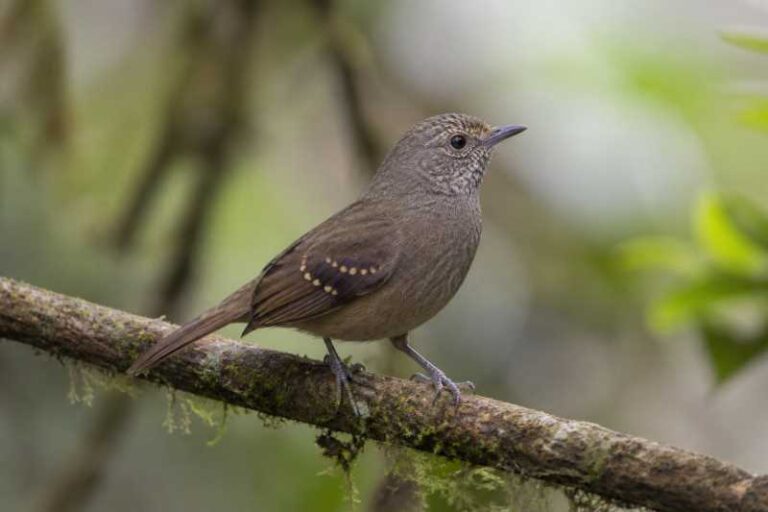
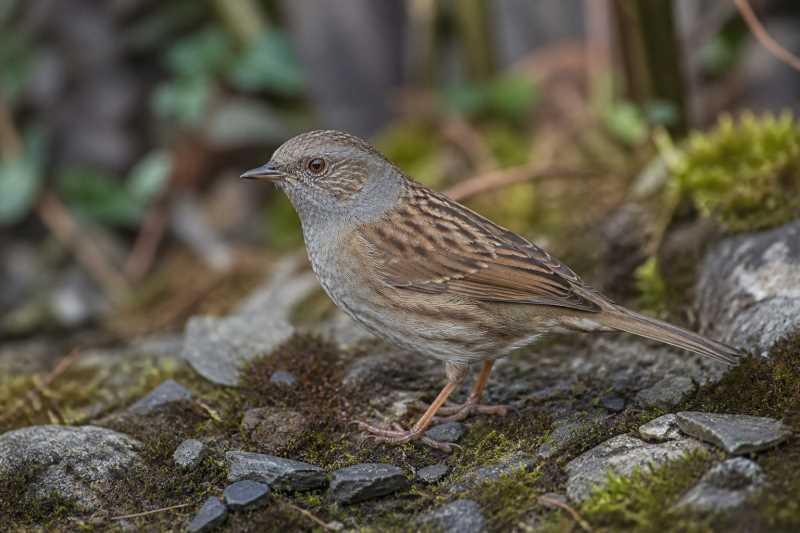
At first glance, the Dunnock may appear unremarkable with its drab plumage. It possesses a muted brown and gray coloration, which provides excellent camouflage against the leaf litter and underbrush of its habitat. Despite its understated appearance, the Dunnock’s slender body, sharp beak, and distinctive orange-brown eyes offer a subtle beauty to those who take the time to observe it closely.
Dunnocks typically measure around 14 cm in length and weigh approximately 20 grams. Both males and females are similar in appearance, which can make distinguishing between the sexes challenging without close observation of their behavior.
Feeding Habits
The Dunnock’s diet primarily consists of insects, spiders, and other small invertebrates, which it forages for by moving stealthily through the undergrowth. During the winter months, when insects are less abundant, Dunnocks adapt by supplementing their diet with seeds and berries. This opportunistic feeding behavior allows them to survive in a variety of conditions and contributes to their widespread distribution.
Breeding Behavior and Strategies
One of the most intriguing aspects of Dunnock biology is its complex breeding system. Unlike many bird species that adhere to monogamous pairings, Dunnocks exhibit a range of mating strategies, including monogamy, polygyny, polyandry, and polygynandry. This variability in mating systems is driven by factors such as territory quality, resource availability, and competition.
In polyandrous systems, a single female may mate with multiple males, all of whom may assist in feeding and caring for the chicks. Conversely, in polygynous systems, a male may mate with several females, providing little to no parental care. These diverse mating strategies result in complex social structures and have made the Dunnock a subject of extensive study in the field of behavioral ecology.
Vocalizations and Communication
Dunnocks are not particularly known for their vocal prowess, but they do possess a pleasant, warbling song that serves as a means of communication between individuals. Males use song to establish territory and attract mates, while both sexes employ a range of calls to communicate with each other during foraging or in response to threats.
Conservation Status and Challenges
Currently, the Dunnock is listed as a species of "Least Concern" on the IUCN Red List, thanks to its wide distribution and stable population numbers. However, like many bird species, Dunnocks face challenges from habitat loss, climate change, and human activities. The loss of hedgerows and changes in agricultural practices can negatively impact their habitat, while climate change may alter the availability of food resources.
Conservation efforts aimed at preserving hedgerow habitats and promoting wildlife-friendly gardening practices can help ensure the continued survival of Dunnock populations. Public awareness and appreciation of this understated bird can also contribute to conservation efforts by encouraging protective measures in both rural and urban settings.
Conclusion
The Dunnock may not capture immediate attention with vibrant colors or elaborate songs, but its subtle charm and fascinating behaviors make it a worthy subject of study and appreciation. As we continue to learn more about this intriguing bird, it serves as a reminder of the complexity and diversity of life that exists in even the most unassuming corners of our world.
By understanding and supporting the needs of the Dunnock and other similar species, we can contribute to a richer, more biodiverse environment that benefits all forms of life, including our own.
Related posts