The Enigmatic Philippine Swamphen: A Closer Look at Porphyrio pulverulentus
The Philippine Swamphen (Porphyrio pulverulentus) is a captivating avian species that inhabits the wetlands of the Philippines. Known for its striking appearance and elusive nature, this bird has intrigued ornithologists and birdwatchers alike. As a member of the Rallidae family, the Philippine Swamphen is closely related to other waterbirds such as coots and rails, sharing many of their ecological characteristics and behaviors.
Taxonomy and Description
The Philippine Swamphen is scientifically classified under the genus Porphyrio, which is part of the larger rail family, Rallidae. The species name "pulverulentus" refers to its unique coloration, characterized by a powdery blue hue that gives it a distinctive appearance among its relatives. The bird is medium-sized, typically measuring between 38 to 50 centimeters in length, with a wingspan that accentuates its ability to navigate the dense wetlands it calls home.
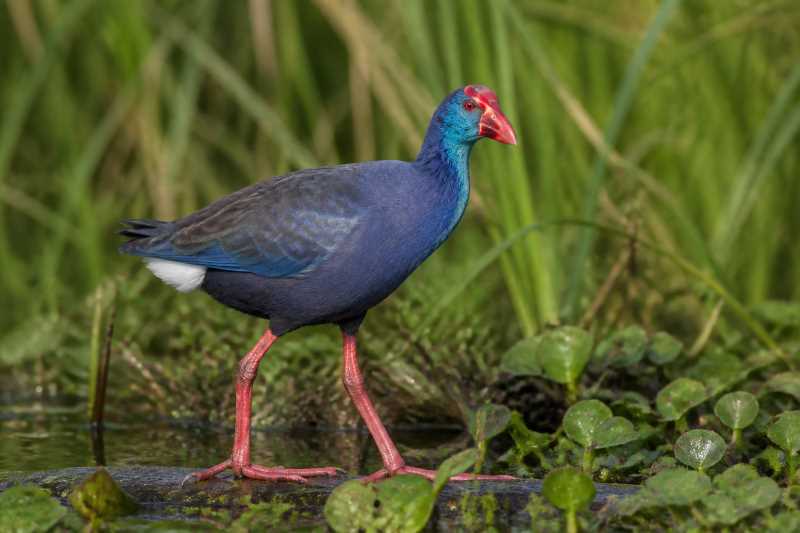
This swamphen is adorned with a vibrant blue plumage, which is complemented by a striking red beak and frontal shield. Its legs and feet are a vivid red or orange, providing additional splashes of color against its predominantly blue body. These physical traits not only make the Philippine Swamphen a visually stunning bird but also serve functional roles in its survival and mating behaviors.
Habitat and Distribution
The Philippine Swamphen is endemic to the Philippines, where it predominantly inhabits freshwater wetlands, marshes, and swamps. Its presence is most commonly recorded in areas with abundant aquatic vegetation, which provides both food and shelter. The bird is highly adapted to these environments, utilizing its long toes to traverse the water-laden terrain effectively.
Despite its striking appearance, the Philippine Swamphen is considered elusive, often preferring to stay hidden within dense vegetation. This behavior, coupled with its specific habitat requirements, makes sightings relatively rare. However, conservation efforts and birdwatching activities have helped increase awareness and understanding of its ecological role.
Behavior and Diet
The Philippine Swamphen is primarily a ground-dwelling bird, though it is capable of short flights. Its daily activities revolve around foraging for food, which largely consists of aquatic plants, seeds, and small invertebrates. The bird’s strong bill is adept at handling a variety of plant materials, allowing it to exploit a range of food sources within its habitat.
Socially, Philippine Swamphens are known to be territorial, often defending their chosen area from intruders. They communicate through a series of calls and displays, which are used to establish dominance and attract mates. During the breeding season, which typically aligns with the wet season, males engage in elaborate courtship displays to woo potential partners. Nesting occurs in dense vegetation, where the female lays a clutch of 3 to 5 eggs. Both parents share responsibilities in incubating the eggs and rearing the chicks, showcasing a cooperative breeding strategy.
Conservation Status and Challenges
The conservation status of the Philippine Swamphen is currently assessed as "Least Concern" by the International Union for Conservation of Nature (IUCN). However, it faces several challenges that threaten its habitat and survival. Rapid urbanization and agricultural expansion in the Philippines have led to significant habitat loss, reducing the available wetland areas for the swamphen to thrive.
Pollution and water management practices also pose threats to the quality of the bird’s habitat. Efforts to preserve wetlands and implement sustainable land-use practices are crucial in ensuring the long-term survival of the species. Conservation organizations are actively working to raise awareness and engage local communities in protecting these vital ecosystems.
Importance in Ecosystem and Cultural Significance
The Philippine Swamphen plays an integral role in the wetland ecosystems it inhabits. As both a consumer and a prey species, it contributes to maintaining the ecological balance within these environments. By feeding on aquatic plants and invertebrates, the swamphen helps regulate plant growth and control insect populations, indirectly supporting the health of the wetland.
Culturally, the Philippine Swamphen holds significance in the local communities, often featured in folklore and traditional stories. Its vibrant appearance and elusive nature have made it a symbol of the mysterious beauty of the Philippine wetlands.
Conclusion
The Philippine Swamphen is a remarkable species that embodies the rich biodiversity of the Philippines. Its survival is intricately linked to the health of wetland ecosystems, highlighting the need for concerted conservation efforts. Through increased awareness and sustainable practices, we can ensure that this enigmatic bird continues to grace the wetlands of the Philippines for generations to come.
As we deepen our understanding of the Philippine Swamphen and its role in the ecosystem, we are reminded of the interconnectedness of all living things and the importance of preserving the natural world.
Related posts