Introduction
The Atlantic White-sided Dolphin, scientifically known as Leucopleurus acutus, is a remarkable marine mammal belonging to the family Delphinidae. This species is known for its playful behavior, striking appearance, and the significant role it plays in the marine ecosystems of the North Atlantic Ocean. With a distinctive color pattern and vibrant social dynamics, the Atlantic White-sided Dolphin is a subject of great interest for marine biologists and wildlife enthusiasts alike.
In this comprehensive article, we will delve into the unique characteristics of the Atlantic White-sided Dolphin, exploring its physical attributes, geographical range, habitat preferences, behavior, diet, and the conservation challenges it faces. We aim to provide a thorough understanding of this fascinating species, enhancing awareness and appreciation for its conservation needs.
Physical Description
The Atlantic White-sided Dolphin is a medium-sized dolphin species, boasting a robust and streamlined body that is well-adapted for the aquatic environment. Adult dolphins typically measure between 7.5 to 9 feet (2.3 to 2.7 meters) in length, with males generally larger than females. Their weight can range from 400 to 500 pounds (180 to 230 kilograms).
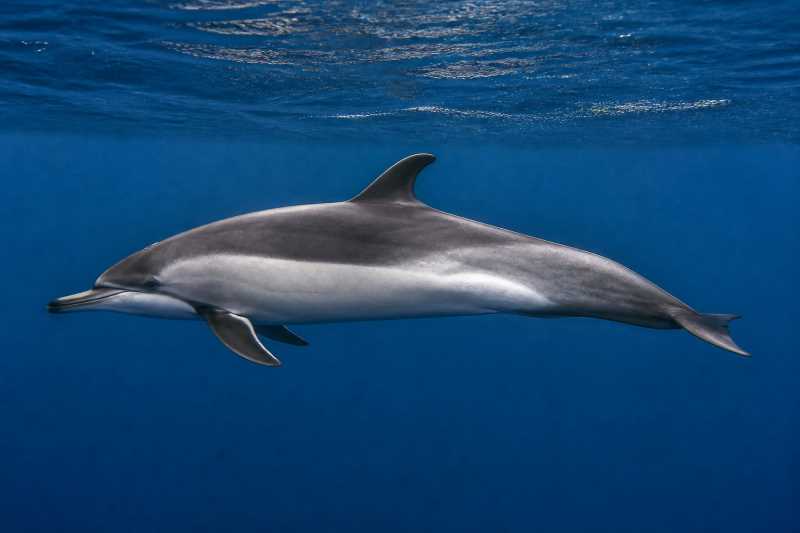
One of the most striking features of the Atlantic White-sided Dolphin is its distinctive coloration. The dorsal side of the dolphin is dark, ranging from black to dark gray, while the sides are adorned with a striking white and pale yellowish band that extends from the eye to the tail. This unique pattern, combined with a creamy white underside, makes the Atlantic White-sided Dolphin easily recognizable in its natural habitat.
The dolphin has a short, rounded beak and a distinctively curved dorsal fin located approximately two-thirds of the way down its back. Their flippers are moderately sized and pointed, aiding in their agility and speed in the water.
Range and Habitat
The Atlantic White-sided Dolphin inhabits the temperate and cold waters of the North Atlantic Ocean. Its range extends from the eastern coast of the United States and Canada to the waters surrounding Iceland, the British Isles, and Scandinavia.
These dolphins are often found in the continental shelf waters, preferring depths of up to 330 feet (100 meters). They are also known to venture into deeper offshore waters, and occasionally inhabit fjords and coastal areas. The Atlantic White-sided Dolphin is a highly social species, often seen in large groups known as pods, which can consist of hundreds of individuals.
Their habitat selection is influenced by the availability of prey and environmental conditions, such as water temperature and salinity. The presence of oceanic fronts and upwellings, which bring nutrient-rich waters to the surface, is particularly favored by these dolphins as it supports abundant marine life.
Behavior and Diet
Atlantic White-sided Dolphins are known for their energetic and social behavior. They are highly acrobatic, often seen leaping out of the water, riding waves, and performing flips and spins. This sociable nature extends to their interactions with other marine species and even boats, making them a favorite among whale watchers.
Their social structure is complex, with pods consisting of several subgroups based on age, sex, and familial relationships. Communication within these groups is facilitated by a range of vocalizations, including clicks, whistles, and complex pulsed sounds, which are used for echolocation, navigation, and social interactions.
The diet of the Atlantic White-sided Dolphin is diverse, consisting mainly of small fish and squid. Common prey species include herring, mackerel, and capelin, although their diet can vary based on geographical location and seasonal prey availability. These dolphins are opportunistic feeders, often foraging in groups to herd and capture prey more effectively.
Identification Tips
Recognizing the Atlantic White-sided Dolphin in the field can be an exhilarating experience. Here are some key identification tips to help you spot this species:
- Coloration: Look for the distinctive color pattern—a dark back with a white and pale yellowish stripe along the sides and a creamy white belly.
- Size and Shape: Note the medium-sized, robust body, typically measuring between 7.5 to 9 feet in length, with a curved dorsal fin.
- Behavior: Observe their playful and acrobatic behavior, often leaping out of the water and riding waves.
- Pod Structure: Atlantic White-sided Dolphins are often seen in large pods, sometimes mixing with other dolphin species.
- Vocalizations: Listen for their characteristic whistles and clicks, which can sometimes be heard from the surface.
Conservation Status
The Atlantic White-sided Dolphin is currently classified as Least Concern by the International Union for Conservation of Nature (IUCN). However, this does not mean the species is free from threats. Key challenges include:
- Bycatch: The incidental capture of dolphins in fishing gear, particularly gillnets and trawl nets, poses a significant threat.
- Pollution: Marine pollution, including chemical contaminants and plastic debris, adversely affects the health of these dolphins.
- Climate Change: Changes in sea temperature and prey distribution due to climate change can impact their habitat and food availability.
Conservation efforts are in place to mitigate these threats. International agreements, such as the Agreement on the Conservation of Small Cetaceans of the Baltic, North East Atlantic, Irish, and North Seas (ASCOBANS), aim to protect this species through collaborative efforts. Additionally, marine protected areas and sustainable fishing practices are crucial for the conservation of the Atlantic White-sided Dolphin.
Frequently Asked Questions
How can I identify an Atlantic White-sided Dolphin?
Look for their distinctive dark back, white and pale yellowish stripe along the sides, and a creamy white belly. They are medium-sized and often seen in large, social pods.
What do Atlantic White-sided Dolphins eat?
They primarily feed on small fish like herring, mackerel, and capelin, as well as squid. They are opportunistic feeders and often forage in groups.
Are Atlantic White-sided Dolphins endangered?
They are currently classified as Least Concern but face threats such as bycatch, pollution, and climate change, which require ongoing conservation efforts.
Where can I see Atlantic White-sided Dolphins in the wild?
They inhabit the North Atlantic Ocean, from the eastern coast of North America to Iceland and the British Isles. Whale watching tours in these regions often provide opportunities to see them.
How do Atlantic White-sided Dolphins communicate?
They use a variety of vocalizations, including clicks and whistles, for echolocation, navigation, and social interactions within their pods.
Related posts