Steppe Polecat (Mustela eversmanii): A Comprehensive Guide
Introduction
The Steppe Polecat, scientifically known as Mustela eversmanii, is a fascinating member of the Mustelidae family, which includes weasels, ferrets, and minks. This elusive carnivore is known for its adaptability to different environments, primarily inhabiting the vast steppes of Eastern Europe and Asia. Despite its wide distribution, the Steppe Polecat remains relatively understudied compared to its more famous relatives, such as the European Polecat and the domesticated ferret. In this article, we explore the Steppe Polecat’s physical characteristics, habitat, behavior, and conservation status, offering a comprehensive overview of this intriguing species.
Physical Description
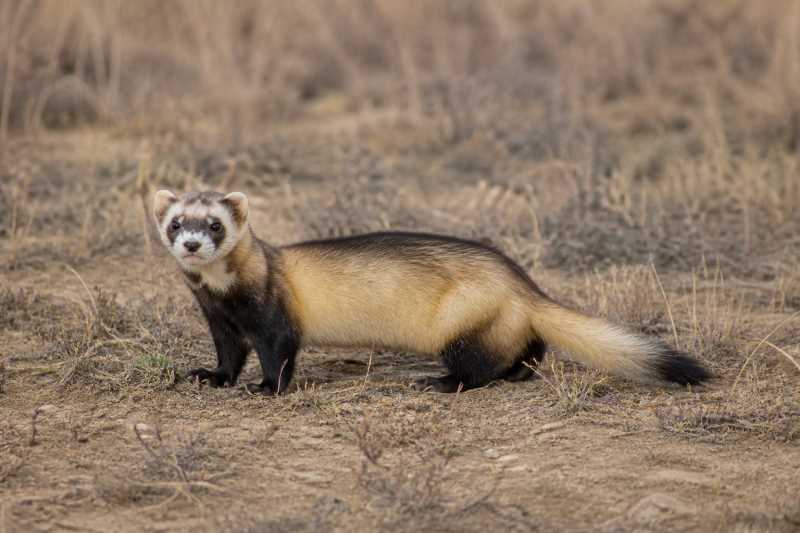
The Steppe Polecat is a medium-sized mustelid, characterized by its elongated body, short limbs, and a bushy tail. Adult Steppe Polecats typically measure between 29 to 52 centimeters in body length, with the tail adding an additional 11 to 20 centimeters. Males tend to be larger and heavier than females, weighing between 1.5 to 2.5 kilograms, while females weigh approximately 0.7 to 1.5 kilograms.
The fur of the Steppe Polecat is dense and soft, providing excellent insulation against cold weather. The coloration varies seasonally; during the summer, their fur is typically a pale yellowish-brown with darker markings on their face and back, while in winter, it becomes lighter, often taking on a grayish hue. A distinctive feature is the dark mask-like markings around the eyes, which are a key identification marker.
Range and Habitat
The Steppe Polecat is native to a broad range extending from Eastern Europe to Central Asia. Its range includes countries such as Ukraine, Russia, Kazakhstan, Mongolia, and parts of China. The species is particularly associated with steppe ecosystems, but it also inhabits semi-deserts, forest steppes, and agricultural areas.
Adaptability is a hallmark of the Steppe Polecat. It thrives in open landscapes where it can hunt small mammals, its primary prey. The presence of burrowing animals such as ground squirrels and hamsters in these areas is crucial, as the polecat often uses their burrows for shelter and rearing young.
Behavior and Diet
Steppe Polecats are solitary animals, coming together only during the breeding season, which occurs from late winter to early spring. Females give birth to litters of 3 to 8 young after a gestation period of approximately 35 to 40 days.
As carnivores, Steppe Polecats have a diet predominantly composed of small mammals, including rodents and lagomorphs. They are opportunistic hunters, demonstrating remarkable agility and speed when capturing prey. Additionally, their diet may include birds, eggs, reptiles, and insects, particularly when small mammals are scarce.
These polecats are primarily nocturnal, although they may be active during the day in areas with low human disturbance. They rely heavily on their keen sense of smell and hearing to locate prey, often hunting by following the scent trails left by potential prey.
Identification Tips
Recognizing a Steppe Polecat in the wild can be challenging due to its elusive nature and resemblance to other mustelids. Here are some identification tips:
- Size and Shape: Look for a long, slender body with short legs and a bushy tail.
- Coloration: Note the yellowish-brown fur with darker patterns, especially the distinctive dark mask around the eyes.
- Habitat: Observe the habitat. Steppe Polecats are most commonly found in open, treeless areas like steppes and grasslands.
- Behavior: They are predominantly nocturnal and solitary, and their presence may be indicated by scent marking and tracks.
Conservation Status
The International Union for Conservation of Nature (IUCN) currently classifies the Steppe Polecat as a species of Least Concern, due to its wide distribution and presumed large population. However, certain local populations face threats that could impact their survival.
Threats
- Habitat Loss: The conversion of steppe habitats into agricultural land and urban areas poses a significant threat to their natural environment.
- Persecution: In some regions, steppe polecats are hunted or trapped due to the belief that they are pests, although they play a crucial role in controlling rodent populations.
- Decline in Prey: Reduction in populations of key prey species due to habitat changes and human activities can affect polecat numbers.
Protections
Conservation efforts for the Steppe Polecat are minimal, primarily focusing on habitat protection and management of hunting practices. Ensuring the conservation of steppe ecosystems is vital for their continued survival. In some countries, they are protected under national wildlife laws, which regulate hunting and trade.
Frequently Asked Questions
What is the typical habitat of the Steppe Polecat?
The Steppe Polecat primarily inhabits open landscapes such as steppes, grasslands, and semi-deserts. They are also found in forest steppes and agricultural areas where prey is abundant.
How can I identify a Steppe Polecat in the wild?
Look for a long, slender body, short legs, and a bushy tail. Note the yellowish-brown fur with a characteristic dark mask around the eyes, and observe their preference for open habitats.
Are Steppe Polecats endangered?
No, Steppe Polecats are not currently endangered. They are classified as Least Concern by the IUCN, although local threats could impact certain populations.
What do Steppe Polecats eat?
Their diet mainly consists of small mammals like rodents and lagomorphs, but they also eat birds, eggs, reptiles, and insects when necessary.
Why are Steppe Polecats important to the ecosystem?
Steppe Polecats play a crucial role in controlling rodent populations, which helps maintain ecological balance and reduce agricultural damage.
Related posts