Introduction
The Halmaheran Blossom Bat, scientifically known as Syconycteris carolinae, is a remarkable species of fruit bat endemic to the Maluku Islands of Indonesia. This species plays a crucial role in the ecosystem as a pollinator and seed disperser, contributing to the biodiversity and health of its habitat. Despite its importance, the Halmaheran Blossom Bat remains one of the lesser-known bat species, often overshadowed by its more prominent relatives. This article aims to shed light on the fascinating aspects of this unique mammal, including its physical characteristics, habitat, behavior, and conservation status.
Physical Description
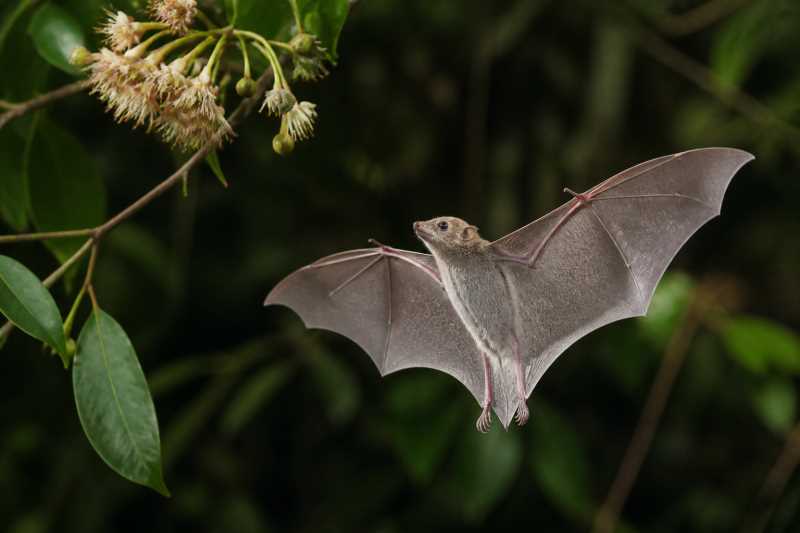
The Halmaheran Blossom Bat is a relatively small bat species, with a body length ranging from 6 to 8 centimeters. It has a wingspan of approximately 25 to 30 centimeters, an adaptation that allows for agile flight through dense forest canopies. The bat’s fur is typically a muted brown or gray, providing effective camouflage among the foliage. One of its most distinctive features is its elongated snout, adapted for feeding on nectar, and a long, extendable tongue that aids in reaching deep into flowers.
The bat’s eyes are somewhat larger than those of other fruit bats, indicating its reliance on sight for navigation and foraging during twilight hours. Its ears are small and rounded, with a keen sense of hearing that assists in detecting predators and communicating with other bats.
Range and Habitat
The Halmaheran Blossom Bat is native to the Maluku Islands, particularly found on Halmahera, hence its name. It inhabits tropical rainforest regions, where it can find abundant food sources such as nectar, pollen, and fruit. The dense forest canopy provides essential shelter and roosting sites, while the diversity of flowering plants supports its dietary needs.
This species is known to occupy both primary and secondary forests, demonstrating some adaptability to habitat changes. However, it prefers areas with a high density of flowering plants and fruit-bearing trees, which are crucial for its survival and reproduction.
Behavior and Diet
The Halmaheran Blossom Bat is primarily nocturnal, emerging at dusk to begin its foraging activities. It is a solitary feeder, although it may occasionally be seen in small groups when food sources are plentiful. Its diet consists mainly of nectar and pollen, making it an important pollinator for many plant species in its habitat. The bat’s long tongue and specialized snout are perfectly adapted for this task, allowing it to access nectar deep within flowers.
In addition to nectar, the Halmaheran Blossom Bat also consumes soft fruits, providing an additional source of nutrition. This dietary behavior aids in seed dispersal, as the bats transport and drop seeds away from the parent plant, promoting forest regeneration and plant diversity.
Identification Tips
Identifying the Halmaheran Blossom Bat in the field can be challenging due to its elusive nature and nocturnal habits. However, there are several key features to look for:
- Size and Coloration: Look for a small bat with muted brown or gray fur.
- Snout and Tongue: Note the elongated snout and observe if the bat is feeding on flowers, using its long tongue.
- Flight Pattern: The Halmaheran Blossom Bat exhibits agile and swift flight patterns typical of nectar-feeding bats.
- Habitat: Search in tropical rainforest areas, especially near flowering plants.
- Sound: Listen for high-pitched vocalizations characteristic of fruit bats.
Conservation Status
The conservation status of the Halmaheran Blossom Bat is currently listed as "Data Deficient" by the International Union for Conservation of Nature (IUCN). This classification highlights the need for further research to better understand the population dynamics and threats facing this species.
Threats
The primary threats to the Halmaheran Blossom Bat include habitat destruction due to logging, agricultural expansion, and urban development. These activities lead to the loss of vital roosting and foraging areas, impacting the bat’s ability to survive and reproduce.
Additionally, climate change poses a long-term threat by altering the distribution and availability of flowering plants, which are essential food sources for the bat.
Protections
Efforts to conserve the Halmaheran Blossom Bat focus on habitat preservation and restoration. Protecting primary and secondary forests in the Maluku Islands is crucial to ensuring the survival of this species. Environmental organizations and local governments are encouraged to work collaboratively to implement conservation strategies, such as establishing protected areas and promoting sustainable land use practices.
Frequently Asked Questions
1. What does the Halmaheran Blossom Bat eat? The Halmaheran Blossom Bat primarily feeds on nectar and pollen from flowering plants. It also consumes soft fruits, aiding in seed dispersal.
2. Where can I find the Halmaheran Blossom Bat? This species is endemic to the Maluku Islands of Indonesia, particularly on Halmahera, where it inhabits tropical rainforests.
3. Why is the Halmaheran Blossom Bat important? The bat is a vital pollinator and seed disperser, contributing to the health and biodiversity of its ecosystem by promoting forest regeneration.
4. What are the threats to the Halmaheran Blossom Bat? Major threats include habitat destruction from logging and agriculture, as well as climate change affecting food availability.
5. How can we help conserve the Halmaheran Blossom Bat? Conservation efforts include protecting forest habitats, promoting sustainable land use, and conducting further research to understand population trends.
Related posts