Introduction
The Large-headed Serotine (Afropipistrellus macrocephalus) is a fascinating bat species that captures the interest of mammalogists and wildlife enthusiasts alike. Known for its distinct cranial features, this species is a member of the Vespertilionidae family, a group noted for its diversity and adaptability. This article delves into the various aspects of the Large-headed Serotine, from its physical attributes and habitat preferences to its behavior and conservation status. As an integral part of its ecosystem, understanding this species contributes to broader conservation efforts and enhances our appreciation of mammalian biodiversity.
Physical Description
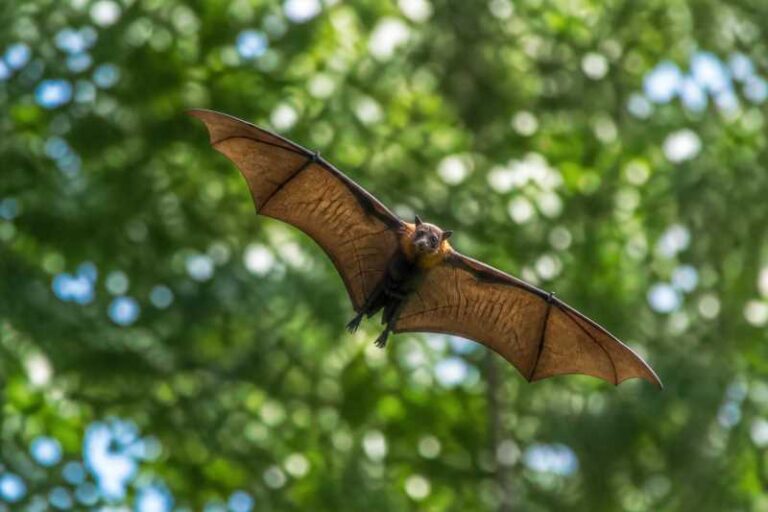
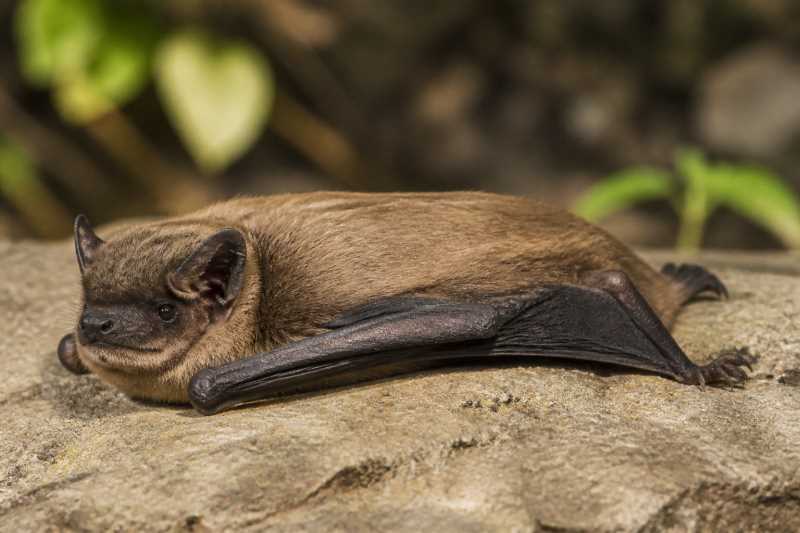
The Large-headed Serotine is aptly named for its distinctive large head, which is proportionally greater in size compared to other bats of similar size. Its cranial structure is not just a defining feature but also plays a role in its echolocation capabilities and dietary habits. The bat’s fur is typically dark brown, offering a degree of camouflage against the bark and foliage of its natural habitat. Its wings are long and narrow, facilitating agile flight and swift maneuverability in pursuit of insects.
The body length of the Large-headed Serotine ranges from 45 to 55 millimeters, with a wingspan reaching up to 300 millimeters. Its average weight is between 8 to 12 grams, making it a medium-sized bat within its geographical range. The ears are moderately sized, with a rounded tip, aiding in its acute auditory sense that is crucial for echolocation.
Range and Habitat
Afropipistrellus macrocephalus is predominantly found in sub-Saharan Africa, with its range extending from West Africa through Central Africa to parts of East Africa. This bat species favors warm climates and is typically found in savanna woodlands and tropical forests, where there is an abundance of insect prey.
The Large-headed Serotine exhibits a preference for roosting in tree hollows, caves, and sometimes in the crevices of buildings. These roosting sites provide shelter from predators and harsh weather conditions, as well as a suitable environment for rearing young. The availability of roosting sites is a critical factor influencing the distribution of this species across its range.
Behavior and Diet
The Large-headed Serotine is primarily nocturnal, engaging in foraging activities from dusk till dawn. Its diet consists mainly of flying insects, including moths, beetles, and mosquitoes. The bat employs echolocation to detect and capture prey, emitting high-frequency sound waves that bounce off objects and return as echoes, allowing it to pinpoint the exact location of its target.
This species is known for its agile flight patterns, which are characterized by swift, erratic movements as it chases down prey. Socially, the Large-headed Serotine is a communal species, often roosting in colonies that can range from a few individuals to several dozen. Such social structures facilitate breeding and offer protection against predators.
Identification Tips
Identifying the Large-headed Serotine in the field can be a challenge due to its nocturnal habits and the presence of similar bat species within its range. However, there are key features that can aid in its recognition:
- Head Size: As the name suggests, the large head is a distinctive feature that sets it apart from other bats.
- Fur Color: Look for the dark brown fur that contrasts with the lighter underbelly.
- Flight Pattern: Observe the erratic and agile flight, typical of insectivorous bats.
- Echolocation Calls: If equipped with a bat detector, the echolocation frequency of the Large-headed Serotine is usually in the range of 30-45 kHz.
Conservation Status
The Large-headed Serotine is currently classified as Least Concern by the International Union for Conservation of Nature (IUCN). Despite this relatively secure status, the species faces several threats that could impact its population stability.
Threats
- Habitat Loss: Deforestation and land conversion for agriculture are significant threats, reducing available roosting and foraging habitats.
- Pesticide Use: The use of chemical pesticides in agriculture can diminish insect populations, leading to food scarcity.
- Climate Change: Alterations in climate patterns can impact insect availability and disrupt the bat’s natural habitat.
Protections
Conservation efforts are necessary to ensure the long-term survival of the Large-headed Serotine. These include:
- Protected Areas: Establishment and maintenance of protected reserves that provide safe habitats for roosting and breeding.
- Legal Protection: Enforcing laws that limit deforestation and regulate pesticide use.
- Research and Monitoring: Ongoing studies to monitor population trends and ecological requirements.
Frequently Asked Questions
Q1: What is the primary diet of the Large-headed Serotine?
A1: The Large-headed Serotine primarily feeds on flying insects such as moths, beetles, and mosquitoes. It uses echolocation to detect and capture its prey during night-time foraging.
Q2: Where can the Large-headed Serotine be found?
A2: This bat species is found in sub-Saharan Africa, with a range that includes savanna woodlands and tropical forests across West, Central, and East Africa.
Q3: How does the Large-headed Serotine echolocate?
A3: The bat emits high-frequency sound waves that bounce off objects and return as echoes, allowing it to determine the location, size, and shape of prey and other objects in its environment.
Q4: What are the main threats to the Large-headed Serotine?
A4: The main threats include habitat loss due to deforestation, pesticide use that reduces insect populations, and climate change impacting habitat conditions.
Q5: How can the Large-headed Serotine be identified in the wild?
A5: Key identification features include its large head, dark brown fur, erratic flight pattern, and specific echolocation frequencies in the range of 30-45 kHz.
Related posts