Taddei’s Serotine: A Comprehensive Guide to Neoeptesicus taddeii
Introduction
Taddei’s Serotine, scientifically known as Neoeptesicus taddeii, is a fascinating species within the Chiroptera order, commonly referred to as bats. This elusive mammal, which was first described in the early 21st century, has intrigued researchers and wildlife enthusiasts alike due to its unique characteristics and relatively limited range. As a member of the Vespertilionidae family, Taddei’s Serotine is part of a group known for their insectivorous diets and nocturnal habits. This article delves into the intricate details of this species, exploring its physical traits, habitat preferences, behavioral patterns, and conservation concerns.
Physical Description
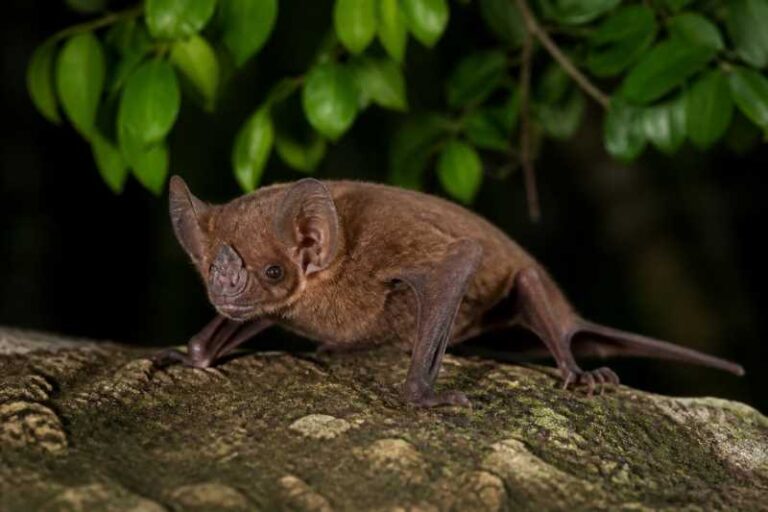
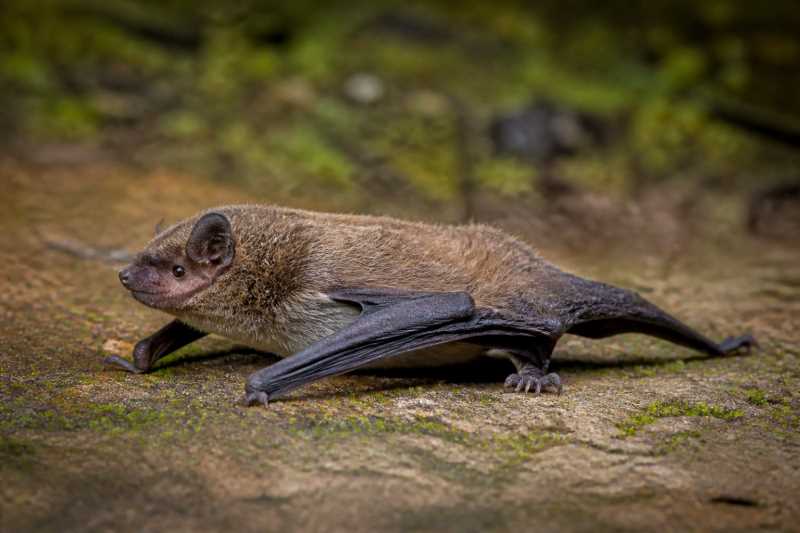
Taddei’s Serotine is a medium-sized bat characterized by its robust build and distinct coloration. The pelage is generally dark brown to black, providing effective camouflage in its natural habitat. The fur is dense and soft, aiding in thermoregulation during varied temperatures. The wings, which are relatively broad, complement their agile flight capabilities.
The head of Taddei’s Serotine is marked by a short muzzle and large, rounded ears that are crucial for echolocation. These auditory adaptations are essential for navigating and hunting in low-light conditions. The eyes are small yet functional, adapted to their nocturnal lifestyle. Overall, the physical attributes of Taddei’s Serotine are a testament to its evolutionary adaptations for survival in diverse environments.
Range and Habitat
Taddei’s Serotine is primarily found in the neotropical regions of South America, with confirmed populations in Brazil and parts of the Amazon basin. Its habitat is mainly comprised of tropical and subtropical forests, where it can roost in the dense canopy. These environments provide ample opportunities for foraging and offer shelter from predators.
The species has also been observed in secondary forests and agricultural areas, indicating some adaptability to human-altered landscapes. However, the core population thrives in pristine forest ecosystems, where the abundance of insect prey supports their dietary needs.
Behavior and Diet
Taddei’s Serotine is predominantly nocturnal, emerging at dusk to embark on foraging excursions. Its diet is primarily insectivorous, with a preference for flying insects such as moths, beetles, and mosquitoes. The bat employs echolocation to detect and capture prey, a sophisticated system involving the emission of high-frequency sound waves and listening for their echoes.
Socially, Taddei’s Serotine exhibits gregarious behavior, often roosting in colonies that can range from a few individuals to several dozen. These colonies provide safety in numbers and facilitate social interactions crucial for mating and communication. The species is known for its swift and agile flight, allowing it to navigate dense forests with precision.
Identification Tips
When attempting to identify Taddei’s Serotine in the field, there are several key features to consider:
- Size and Shape: Look for a medium-sized bat with a robust body and broad wings.
- Coloration: The dark brown to black fur is a distinguishing feature.
- Ears and Muzzle: Large, rounded ears and a short muzzle are characteristic.
- Flight Pattern: Observe the agile and erratic flight, typical of insectivorous bats.
- Roosting Habits: During the day, search for colonies in forest canopies or other sheltered locations.
Conservation Status
As of the latest assessments, Taddei’s Serotine is classified as a species of Least Concern on the IUCN Red List. However, this status does not imply that the species faces no threats. Habitat destruction due to deforestation and agricultural expansion poses significant risks to its populations. Additionally, climate change impacts and pesticide use further threaten the species by reducing prey availability and altering habitats.
Conservation efforts are essential to mitigate these threats. Protected areas and forest conservation initiatives play a crucial role in preserving the natural habitats of Taddei’s Serotine. Efforts to curb deforestation and promote sustainable land use practices are vital for ensuring the species’ long-term survival.
Frequently Asked Questions
1. What is the primary diet of Taddei’s Serotine?
Taddei’s Serotine primarily feeds on flying insects, including moths, beetles, and mosquitoes. Its diet is supported by its adept use of echolocation for hunting.
2. Where can Taddei’s Serotine be found in the wild?
This species is native to the neotropical regions of South America, with populations in Brazil and the Amazon basin, thriving in tropical and subtropical forests.
3. How does Taddei’s Serotine navigate in the dark?
Taddei’s Serotine uses echolocation, emitting high-frequency sound waves and interpreting the returning echoes to navigate and locate prey in low-light conditions.
4. What are the main threats to Taddei’s Serotine?
The primary threats include habitat destruction due to deforestation, agricultural expansion, and the effects of climate change, which can alter their natural habitats.
5. How can we help conserve Taddei’s Serotine?
Supporting forest conservation initiatives and advocating for sustainable land use practices are crucial steps in preserving the habitats and populations of Taddei’s Serotine.
Related posts