Introduction
The Argentine Serotine, scientifically known as Neoeptesicus furinalis, is a fascinating species of bat belonging to the family Vespertilionidae. Found predominantly in South America, this bat plays a crucial ecological role in its native habitats, helping to maintain the balance of insect populations. Despite its significance, it remains one of the lesser-known bat species among both researchers and the general public.
Physical Description
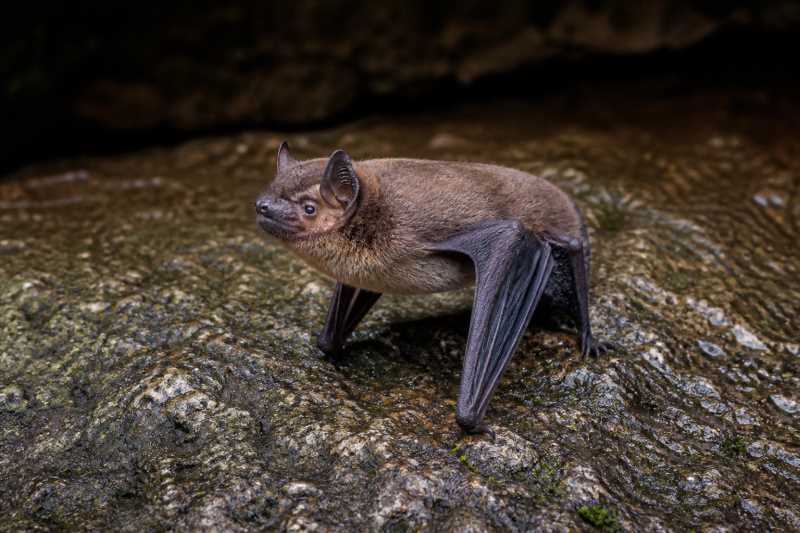
The Argentine Serotine is a medium-sized bat characterized by its robust and compact body structure. Adults typically weigh between 8 to 15 grams, with a wingspan ranging from 25 to 30 centimeters. Their fur is generally a dark brown color, providing effective camouflage against the bark of trees and other natural surroundings during roosting. The underparts are slightly lighter, often displaying a grayish hue. The ears are rounded and relatively short compared to other bat species, with a tragus (a small pointed structure on the inner ear) that aids in echolocation.
The wings of the Argentine Serotine are long and narrow, designed for fast and agile flight. This adaptation is vital for their insectivorous diet, allowing them to swiftly capture prey in mid-air. Their face is somewhat flattened, with a broad muzzle housing sharp teeth that are perfectly suited for an insect-based diet.
Range and Habitat
The Argentine Serotine is primarily distributed across Argentina, but its range extends into other parts of South America, including Paraguay, Uruguay, and parts of Brazil. This species is remarkably adaptable and can be found in a variety of habitats ranging from subtropical and temperate forests to open grasslands and urban areas.
In forested areas, the Argentine Serotine is commonly found roosting in tree hollows, under loose bark, or in caves. In urban environments, they may take refuge in buildings, attics, and other man-made structures. Their ability to thrive in diverse habitats underscores their adaptability and resilience in the face of environmental changes.
Behavior and Diet
The Argentine Serotine is primarily nocturnal, emerging at dusk to begin its nightly foraging activities. This species is insectivorous, feeding predominantly on a wide range of flying insects, including moths, beetles, and mosquitoes. They employ echolocation as a primary hunting tool, emitting high-frequency sounds that bounce off objects and return as echoes. This sophisticated biological sonar system allows them to navigate and hunt with precision, even in complete darkness.
Socially, the Argentine Serotine is known to roost in small colonies. These colonies can vary in size but typically consist of a few individuals. Roosting sites are crucial for their survival, offering protection from predators and harsh weather conditions. During the mating season, which usually occurs in the warmer months, males and females come together in larger groups to breed.
Identification Tips (field recognition cues)
Identifying the Argentine Serotine in the field can be challenging due to its nocturnal nature and small size. However, several key characteristics can aid in recognition:
- Echolocation Calls: They emit distinctive, high-pitched echolocation calls that can be detected using a bat detector. These calls are typically in the range of 40 to 60 kHz.
- Flight Pattern: Their flight is fast and agile, often involving quick turns and dives as they pursue flying insects.
- Physical Markings: Look for their dark brown fur with lighter underparts. The rounded ears and broad muzzle are also distinguishing features.
- Roosting Locations: During the day, they can be spotted in tree hollows, under loose bark, or in secluded areas of buildings.
Conservation Status (with threats and protections)
The Argentine Serotine is currently classified as "Least Concern" by the International Union for Conservation of Nature (IUCN). Despite this relatively secure status, they face several threats that could impact their populations in the future.
Threats
- Habitat Loss: Deforestation and urbanization are significant threats, reducing the availability of natural roosting sites and foraging grounds.
- Pesticide Use: The widespread use of pesticides in agriculture can deplete their food sources and expose them to toxic chemicals.
- Climate Change: Alterations in climate patterns can affect the availability of prey and suitable habitats.
Protections
- Legal Protections: In some regions, bats are protected by law, prohibiting their harm and the destruction of their habitats.
- Conservation Programs: Initiatives that focus on habitat restoration and the creation of artificial roosting sites are beneficial for their conservation.
- Public Awareness Campaigns: Educating the public about the ecological importance of bats helps reduce fear and promote coexistence.
Frequently Asked Questions
What is the primary diet of the Argentine Serotine?
The Argentine Serotine primarily feeds on insects, including moths, beetles, and mosquitoes. Their diet is crucial for controlling insect populations in their habitats.
Where can you typically find the Argentine Serotine?
They are found in various habitats across Argentina, Paraguay, Uruguay, and Brazil, including forests, grasslands, and urban areas where they roost in tree hollows and buildings.
How do Argentine Serotines navigate and hunt at night?
They use echolocation, emitting high-frequency sounds that bounce off objects and return as echoes, allowing them to navigate and hunt with precision in the dark.
Are Argentine Serotines endangered?
Currently, they are classified as "Least Concern," but they face threats such as habitat loss, pesticide use, and climate change, which could affect their populations.
How can people help in the conservation of Argentine Serotines?
Supporting conservation initiatives, advocating for legal protections, and participating in public awareness campaigns can help in the conservation of this species.
Related posts