Introduction
The Mantled Giant Mastiff Bat, scientifically known as Otomops secundus, is a fascinating species of bat that captivates both researchers and wildlife enthusiasts alike. This remarkable mammal is notable for its unique adaptations and ecological role within its native habitats. As one of the larger bat species, it plays a vital role in the ecosystems where it resides, contributing to insect population control and serving as an indicator of environmental health.
In this comprehensive article, we will delve into the various aspects of the Mantled Giant Mastiff Bat, including its physical characteristics, geographical range, habitat preferences, behavioral traits, and dietary habits. We will also explore the conservation status of this species, examining the threats it faces and the measures in place to protect it. Additionally, we will provide practical identification tips to aid in the field recognition of this intriguing bat.
Physical Description
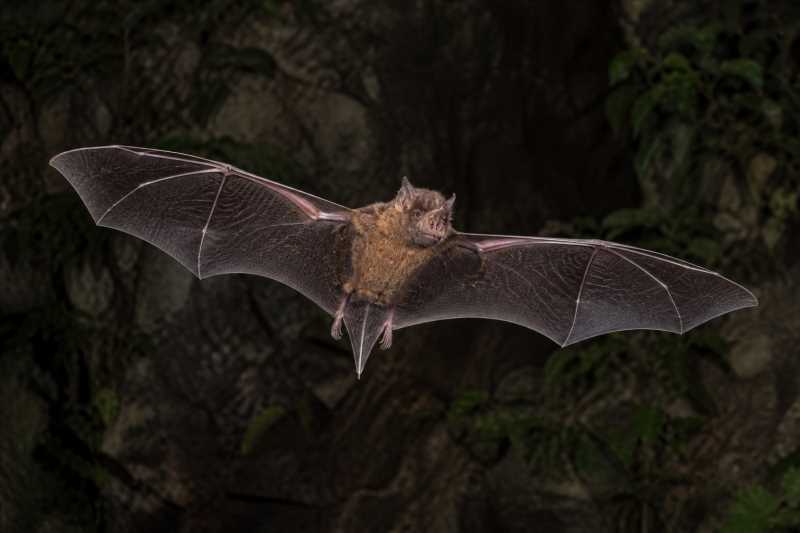
The Mantled Giant Mastiff Bat is distinguished by its impressive size and distinctive features. Adult individuals can boast a wingspan ranging from 50 to 60 centimeters, making them one of the larger members of the Molossidae family. Their body length typically measures between 10 and 14 centimeters, and they can weigh anywhere from 50 to 80 grams.
One of the most striking physical characteristics of this bat is its robust and elongated muzzle, reminiscent of the mastiff dogs from which it derives its common name. The bat’s ears are large and rounded, providing excellent auditory capabilities essential for echolocation. Its fur is generally a dark brown or blackish hue, with a slightly paler underbelly. The "mantled" aspect refers to the lighter-colored fur that forms a mantle-like appearance across their shoulders and back.
Range and Habitat
Otomops secundus is primarily found in the Australasian region, with its range extending across parts of Papua New Guinea and the nearby islands. These bats prefer to inhabit tropical and subtropical forests, where they can find ample food sources and suitable roosting sites. They are often located in areas with dense vegetation, which provides the necessary cover and microclimates for their survival.
This species tends to roost in caves, old buildings, and tree hollows during the day, emerging at dusk to forage. Their choice of roosting sites is critical as it offers protection from predators and environmental fluctuations. Conservation efforts often focus on protecting these essential habitats from deforestation and human encroachment.
Behavior and Diet
The Mantled Giant Mastiff Bat is primarily nocturnal, spending its nights foraging for food. As insectivores, these bats play a crucial role in pest control, consuming a variety of flying insects, including moths, beetles, and other nocturnal arthropods. Their echolocation skills are highly refined, allowing them to detect and capture prey with remarkable precision even in complete darkness.
These bats are known for their powerful and agile flight, capable of covering large areas in search of food. They often hunt in groups, using their keen sense of hearing to communicate and coordinate during foraging excursions. Social interactions within colonies are complex, with vocalizations playing a significant role in maintaining social bonds and establishing territory.
Identification Tips (Field Recognition Cues)
Identifying the Mantled Giant Mastiff Bat in the field requires careful observation and attention to specific characteristics:
- Size and Wingspan: Look for a large bat with a wingspan of 50-60 cm and a robust body size.
- Facial Features: Note the elongated muzzle and large, rounded ears, which are distinctive of this species.
- Fur Coloration: Observe the dark brown or blackish fur with a lighter mantle across the back and shoulders.
- Flight Patterns: Watch for their powerful and agile flight, often at dusk, as they hunt for insects.
- Habitat: Consider the location; sightings are more likely in tropical forests or caves within their known range.
Conservation Status (With Threats and Protections)
As of the latest assessments, the Mantled Giant Mastiff Bat is classified as Near Threatened on the IUCN Red List. This designation reflects concerns about habitat loss and degradation, primarily due to deforestation and land use changes in their native regions. The destruction of roosting sites, particularly caves and old-growth forests, poses significant threats to their populations.
Conservation efforts are focused on protecting critical habitats and promoting sustainable land management practices. Initiatives to establish protected areas and educate local communities about the ecological importance of bats are crucial to their preservation. Additionally, research into their ecology and behavior is essential to inform targeted conservation strategies.
Frequently Asked Questions
What is the primary diet of the Mantled Giant Mastiff Bat?
The Mantled Giant Mastiff Bat primarily feeds on flying insects, including moths and beetles. This insectivorous diet helps control pest populations, making them beneficial to the ecosystems they inhabit.
Where can the Mantled Giant Mastiff Bat be found?
This species is found in the Australasian region, particularly in Papua New Guinea and surrounding islands. They prefer tropical and subtropical forests, often roosting in caves and tree hollows.
How does the Mantled Giant Mastiff Bat communicate?
These bats utilize echolocation and vocalizations for communication. Their large ears and specialized calls help them navigate, hunt, and maintain social bonds within their colonies.
What are the main threats to the Mantled Giant Mastiff Bat?
The primary threats include habitat loss due to deforestation and human encroachment. Protecting their roosting sites and habitats is crucial for their conservation.
How can I identify a Mantled Giant Mastiff Bat in the wild?
Look for a large bat with a wingspan of 50-60 cm, an elongated muzzle, and large ears. Their dark brown fur with a lighter mantle is distinctive, as is their agile flight at dusk.
Related posts