The Brown-and-yellow Marshbird: A Symphony of Wetlands
The Brown-and-yellow Marshbird, scientifically known as Pseudoleistes virescens, is a captivating avian species that inhabits the wetland ecosystems of South America. Known for its striking plumage and intriguing behaviors, this bird plays a vital role in the biodiversity of its habitat. This article delves into the life, habitat, and conservation status of the Brown-and-yellow Marshbird, offering an in-depth look at why this species deserves our attention and protection.
Taxonomy and Identification
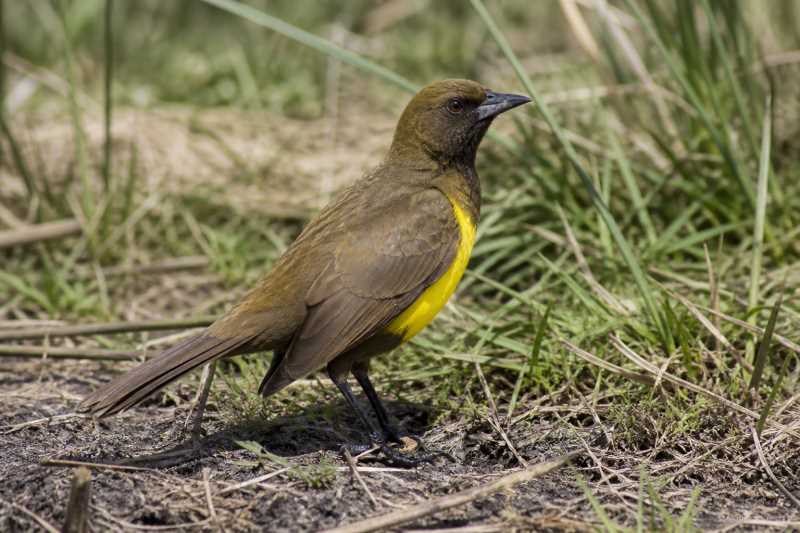
The Brown-and-yellow Marshbird belongs to the Icteridae family, which includes New World blackbirds, orioles, and their relatives. With a body length of approximately 25 to 28 centimeters, this bird is easily recognizable by its vibrant plumage. The upperparts are a rich brown, seamlessly transitioning into a striking yellow on the underparts, creating a vivid contrast that is unique to this species. The combination of its distinct coloration and its melodic vocalizations makes it a favorite among birdwatchers and ornithologists alike.
Habitat and Distribution
This marshbird is predominantly found in the marshes, swamps, and wet grasslands of southern Brazil, Paraguay, Uruguay, and northeastern Argentina. These wetland habitats provide the essential resources for feeding, nesting, and breeding. The Brown-and-yellow Marshbird is often seen perched on reeds or low shrubs, where it can easily forage for insects and small invertebrates.
Wetlands are crucial ecosystems that support a myriad of wildlife, and the presence of the Brown-and-yellow Marshbird is an indicator of the health of these environments. The bird’s reliance on these habitats underscores the importance of wetland conservation initiatives aimed at preserving these vital ecosystems.
Behavior and Diet
The Brown-and-yellow Marshbird is known for its social and gregarious nature. It often forms small flocks, particularly outside the breeding season, allowing for cooperative foraging and enhanced protection against predators. These birds exhibit fascinating foraging behaviors, using their strong, pointed bills to probe the soil and vegetation for food.
Their diet primarily consists of insects, spiders, and other small invertebrates, although they have been known to consume seeds and fruits as well. This opportunistic feeding strategy enables them to adapt to the seasonal availability of resources in their environment.
Breeding and Reproduction
Breeding season for the Brown-and-yellow Marshbird typically occurs during the spring and summer months, aligning with the increased availability of food resources. Nesting sites are often situated in dense vegetation near water bodies, providing safety from predators and easy access to food.
The nests are intricately woven structures made from grass and reeds, often lined with softer materials to provide comfort for the eggs. The female typically lays two to four eggs, which are incubated for about two weeks. Both parents participate in feeding and caring for the chicks, exhibiting a strong commitment to ensuring their offspring’s survival.
Conservation Status and Threats
Currently, the Brown-and-yellow Marshbird is classified as "Least Concern" by the International Union for Conservation of Nature (IUCN). However, this status does not mean that the species is free from threats. Habitat destruction, primarily due to agricultural expansion, urbanization, and drainage of wetlands, poses significant risks to their populations.
Conservation efforts are crucial to mitigate these threats. Protecting wetland habitats through legal frameworks, promoting sustainable agricultural practices, and raising awareness about the importance of biodiversity are key strategies in ensuring the survival of the Brown-and-yellow Marshbird and other wetland-dependent species.
The Role of Citizen Science
Citizen science initiatives have become invaluable in monitoring and conserving avian species like the Brown-and-yellow Marshbird. Birdwatchers and local communities play a crucial role in collecting data on bird populations, distribution, and behaviors. These efforts contribute to a deeper understanding of the ecological needs of the species and inform conservation policies.
Through platforms like eBird and other bird monitoring networks, enthusiasts can record sightings and contribute to a global database that aids researchers and conservationists. This collaborative approach not only enhances scientific knowledge but also fosters a sense of stewardship among communities.
Conclusion
The Brown-and-yellow Marshbird is more than just a visually striking bird; it is an integral part of the complex web of life in South America’s wetlands. Its presence and behaviors highlight the intricate balance of these ecosystems and the need for their preservation.
By understanding and protecting the habitats that the Brown-and-yellow Marshbird calls home, we can ensure that future generations will continue to experience the beauty and wonder of this species. As stewards of the planet, it is our responsibility to safeguard the natural world and its inhabitants, starting with the vibrant symphony that is the Brown-and-yellow Marshbird.
Related posts