Introduction
The Cuban Fig-eating Bat, scientifically known as Phyllops falcatus, is a fascinating species endemic to the Caribbean. Renowned for its frugivorous diet, this small bat plays a vital role in its ecosystem by aiding in seed dispersal and maintaining the health of tropical forests. As a member of the Phyllostomidae family, the Cuban Fig-eating Bat is an integral part of the biodiversity found in Cuba and surrounding islands. This article delves into the various aspects of this species, including its physical characteristics, habitat, behavior, and conservation status, providing a comprehensive overview of this unique mammal.
Physical Description
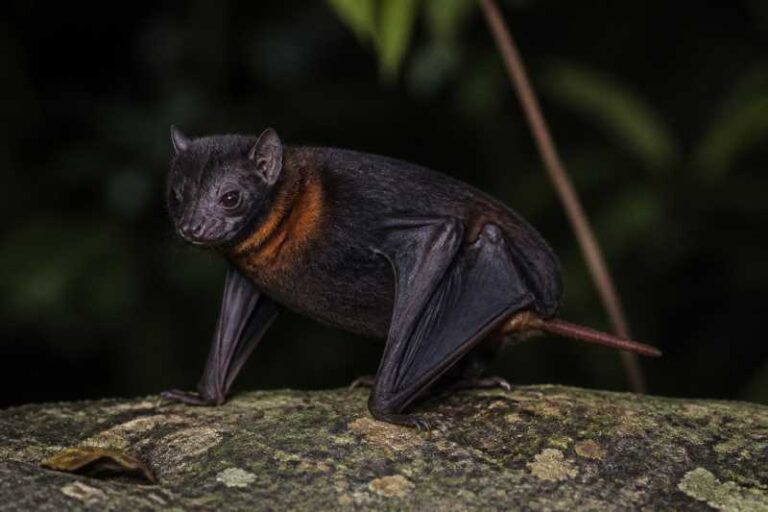
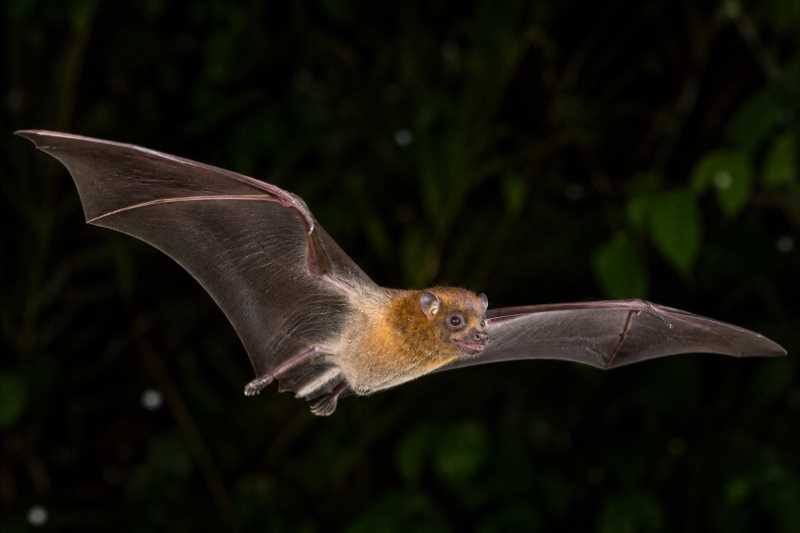
The Cuban Fig-eating Bat is a medium-sized bat with distinct physical attributes that facilitate its frugivorous lifestyle. On average, individuals measure around 60 to 75 millimeters in length, with a wingspan ranging from 300 to 350 millimeters. The bat’s weight typically falls between 12 to 20 grams, making it a relatively lightweight mammal. Its fur is soft and dense, usually exhibiting a brownish-grey hue that provides excellent camouflage against the bark of trees.
One of the most striking features of the Cuban Fig-eating Bat is its short, broad snout, perfectly adapted for consuming figs and other fruits. Additionally, it possesses elongated thumbs and a well-developed uropatagium—a membrane that aids in maneuverability during flight. The bat’s ears are moderate in size, with a rounded shape that enhances its auditory capabilities, crucial for navigation and locating food sources.
Range and Habitat
The Cuban Fig-eating Bat is predominantly found across the island of Cuba, though its range extends to the Isle of Youth and other nearby islands. This species thrives in tropical and subtropical forests, where it has access to an abundance of fruit-bearing trees. It is also known to inhabit mangroves, woodlands, and areas close to agricultural lands, provided there is sufficient vegetation and roosting sites.
Roosting habits are diverse within this species, as they can be found in hollow trees, caves, and even man-made structures such as abandoned buildings. The availability of suitable roosting sites is crucial for their survival, as these locations provide shelter from predators and harsh weather conditions.
Behavior and Diet
The Cuban Fig-eating Bat is primarily nocturnal, with peak activity occurring shortly after dusk. This timing allows them to avoid competition with diurnal fruit-eating birds and exploit the abundance of night-blooming flora. Their diet consists mainly of figs, but they are also known to consume a variety of other fruits, nectar, and occasionally insects.
This bat species plays a significant ecological role as a seed disperser. By consuming fruits and dispersing seeds through their droppings, they contribute to the regeneration and proliferation of plant species across their habitat. This mutualistic relationship highlights the importance of the Cuban Fig-eating Bat in maintaining the ecological balance of its environment.
Socially, these bats are known to form colonies ranging from small groups to larger aggregations. Communication within these colonies is facilitated through a range of vocalizations and olfactory cues. This social structure is essential for mutual grooming, mating, and raising offspring.
Identification Tips (Field Recognition Cues)
Identifying the Cuban Fig-eating Bat in the field can be accomplished through a combination of visual and auditory cues:
- Size and Shape: Look for a medium-sized bat with a compact body and broad wings.
- Coloration: A brownish-grey fur color can help in distinguishing this species.
- Snout and Ears: Note the short, broad snout and rounded ears, which are distinctive physical features.
- Flight Pattern: Observe their agile flight, characterized by quick maneuvers which are typical when navigating through dense vegetation.
- Vocalizations: Listen for their high-pitched calls, which are used for communication and echolocation.
Conservation Status (With Threats and Protections)
The Cuban Fig-eating Bat is currently listed as "Least Concern" by the International Union for Conservation of Nature (IUCN). However, like many species in the Caribbean, it faces several threats that could impact its population in the future.
Threats
- Habitat Loss: Deforestation and land conversion for agriculture and urban development are significant threats that lead to the loss of roosting and foraging habitats.
- Climate Change: Alterations in weather patterns can affect fruit availability, impacting the bat’s food supply.
- Human Disturbance: Activities such as cave tourism and construction can disrupt roosting sites.
Protections
Efforts to conserve the Cuban Fig-eating Bat include the establishment of protected areas that preserve critical habitats. Additionally, environmental education campaigns are crucial in raising awareness about the ecological importance of bats and promoting coexistence with human populations.
Frequently Asked Questions
What do Cuban Fig-eating Bats eat?
Cuban Fig-eating Bats primarily consume figs, but their diet also includes other fruits, nectar, and sometimes insects. This frugivorous diet supports their role as seed dispersers within their ecosystem.
Where can I find Cuban Fig-eating Bats?
These bats are found in Cuba, the Isle of Youth, and neighboring islands. They inhabit tropical and subtropical forests, mangroves, and areas near agricultural lands with abundant fruit-bearing trees.
Why are Cuban Fig-eating Bats important to the ecosystem?
As seed dispersers, they contribute to forest regeneration and the spread of plant species. Their role helps maintain biodiversity and ecological balance within their habitat.
How do Cuban Fig-eating Bats communicate?
They use a combination of vocalizations and olfactory cues for communication within colonies. These signals are crucial for social interactions, including grooming, mating, and raising young.
What are the main threats to Cuban Fig-eating Bats?
Primary threats include habitat loss due to deforestation, climate change affecting food availability, and human disturbances that disrupt roosting sites.
Related posts