Tepui Vireo: A Rare Gem in the Avian World
The Tepui Vireo (Vireo sclateri) is a small, elusive bird that has captivated ornithologists and birdwatchers alike. Known for its charming song and unique habitat, this bird is a testament to the rich biodiversity of the Neotropical region. As conservation efforts continue to gain momentum worldwide, understanding the ecology and significance of the Tepui Vireo becomes increasingly important.
Taxonomy and Physical Description
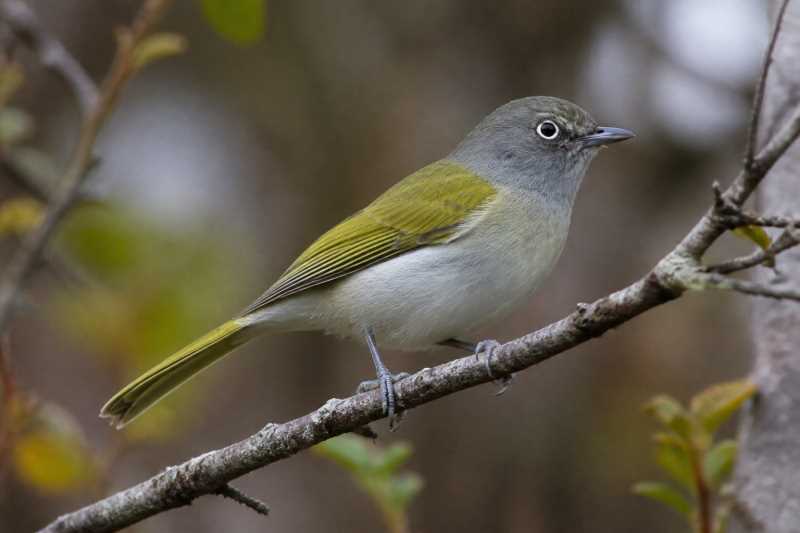
The Tepui Vireo belongs to the family Vireonidae, which comprises small to medium-sized passerine birds. First described by the German ornithologist Hans von Berlepsch in 1892, the species is named in honor of the English zoologist Philip Lutley Sclater. Vireo sclateri is characterized by its olive-green upperparts, yellowish underparts, and distinct white spectacles that adorn its eyes. Measuring approximately 12-13 cm in length, the Tepui Vireo is a small bird but possesses a robust build typical of vireos.
Habitat and Distribution
The Tepui Vireo is endemic to the tepuis of northern South America, specifically within the regions of Venezuela and Guyana. Tepuis are flat-topped mountains with sheer cliffs, often referred to as "islands in the sky" due to their isolation and unique ecosystems. These formations are part of the Guiana Shield, a geological formation that is one of the oldest on the planet. The Tepui Vireo thrives in the montane forests found at elevations ranging from 1,000 to 2,800 meters above sea level.
The tepui ecosystems are characterized by high levels of endemism due to their isolation. As a result, many species, including the Tepui Vireo, have evolved unique adaptations to survive in these environments. The dense forest canopy and abundant vegetation provide ample food resources and shelter for this species.
Behavior and Diet
Tepui Vireos are generally solitary or found in pairs, often engaging in mixed-species foraging flocks. Their diet primarily consists of insects and other small invertebrates, which they meticulously glean from the foliage. The bird’s foraging behavior is characterized by short, swift movements as it navigates through the dense forest canopy.
Vireos are known for their melodious songs, and the Tepui Vireo is no exception. Its song is a series of sweet, repetitive phrases that resonate through the forest. This vocalization plays a crucial role in territory establishment and mate attraction.
Reproductive Biology
While detailed studies on the reproductive biology of the Tepui Vireo are limited, it is believed that their breeding season coincides with the onset of the rainy season. This timing ensures a plentiful supply of food resources for the growing chicks. Vireos typically build cup-shaped nests, which are suspended from the fork of a branch. The female lays a clutch of two to four eggs, which she incubates for about two weeks. Both parents participate in feeding and caring for the chicks until they fledge.
Conservation Status and Threats
The Tepui Vireo is currently listed as Least Concern by the International Union for Conservation of Nature (IUCN). However, its restricted range and specialized habitat make it vulnerable to environmental changes. The primary threats to the species include habitat destruction due to mining, logging, and climate change. As the tepui environments are altered, the delicate balance of the ecosystem is disrupted, posing a risk to the species that inhabit these areas.
Conservation efforts are crucial to preserving the unique biodiversity of the tepuis. Initiatives aimed at protecting these habitats, such as the establishment of national parks and reserves, are essential for the survival of the Tepui Vireo and other endemic species. Additionally, research and monitoring programs can provide valuable insights into the population dynamics and ecological requirements of this bird.
The Importance of Tepui Vireo Conservation
Preserving the Tepui Vireo is not solely about saving a single species but safeguarding an entire ecosystem. The tepuis are reservoirs of biodiversity, housing numerous endemic species that contribute to the ecological richness of the region. Protecting these habitats ensures the survival of countless life forms and maintains the ecological processes that sustain them.
Moreover, the Tepui Vireo serves as an indicator species, reflecting the health of its environment. Its presence, abundance, and behavior can provide valuable information about the state of the tepui ecosystems. By focusing on the conservation of the Tepui Vireo, we indirectly support broader conservation goals that benefit a multitude of species.
Conclusion
In the realm of avian biodiversity, the Tepui Vireo stands out as a remarkable example of evolutionary adaptation and ecological significance. As we continue to explore and understand the natural world, the conservation of species like the Tepui Vireo becomes a testament to our commitment to preserving Earth’s incredible diversity. By safeguarding the tepui habitats, we not only protect a unique bird but also contribute to the future of biodiversity and ecological resilience.
Related posts