Introduction
The Fraternal Fruit-eating Bat, scientifically known as Artibeus fraterculus, is an intriguing species of bat that plays a crucial role in its ecosystem. As a member of the Phyllostomidae family, this bat is primarily known for its fruit-based diet, which significantly contributes to seed dispersal in its habitat. This article delves into the various aspects of the Fraternal Fruit-eating Bat, offering a comprehensive overview that includes its physical description, habitat, behavior, and conservation status.
Bats are often misunderstood creatures, but their ecological importance cannot be overstated. The Fraternal Fruit-eating Bat is a prime example of how bats contribute to biodiversity and forest regeneration. Understanding this species not only sheds light on its role in the environment but also highlights the importance of conservation efforts to protect these vital mammals.
Physical Description
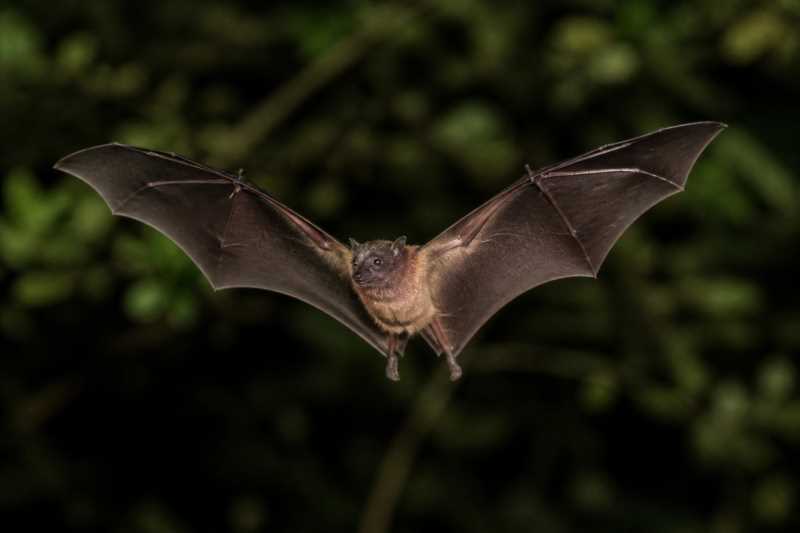
The Fraternal Fruit-eating Bat is a medium-sized bat, with a wingspan typically ranging from 30 to 35 centimeters. It weighs between 30 to 50 grams, making it relatively light and agile. This species is characterized by its broad, rounded wings, which are adapted for maneuverability in dense forest environments.
The bat’s fur is generally a grayish-brown color, providing effective camouflage in its natural habitat. One of its distinctive features is the presence of a leaf-like structure on its nose, known as a noseleaf, which is common among members of the Phyllostomidae family. This structure is believed to aid in echolocation, enhancing the bat’s ability to navigate and hunt in the dark.
Another notable feature of Artibeus fraterculus is its dental structure. The species has robust teeth that are well-suited for processing a diet primarily composed of fruit. Its incisors are particularly adapted to cutting through tough fruit skins, while its molars are efficient at grinding the pulp.
Range and Habitat
The Fraternal Fruit-eating Bat is predominantly found in the Neotropical regions of South America. Its range includes countries such as Brazil, Peru, Ecuador, and Colombia. This species thrives in tropical and subtropical forests, where fruit is abundant, providing the necessary sustenance for its diet.
These bats are typically found in lowland forests but can also inhabit montane and secondary forests. They prefer areas with dense canopy cover, which offers protection from predators and harsh weather conditions. The presence of fruit-bearing trees is a critical factor in their habitat selection, as these trees provide both food and roosting sites.
In addition to forests, Artibeus fraterculus has been observed in agricultural areas, particularly where fruit crops are grown. This adaptability to various environments highlights the species’ resilience and its ability to exploit different food resources.
Behavior and Diet
The Fraternal Fruit-eating Bat is primarily nocturnal, emerging at dusk to forage for food. Its diet mainly consists of fruits such as figs, bananas, and guavas, which provide essential nutrients and energy. These bats play a vital role in their ecosystem by dispersing seeds through their droppings, aiding in forest regeneration and plant diversity.
In addition to fruit, Artibeus fraterculus occasionally consumes nectar and pollen, making it a minor pollinator for certain plant species. This dietary flexibility allows the bat to thrive in environments where fruit availability may fluctuate.
Socially, these bats are known to roost in groups, often sharing their roosting sites with other bat species. Roosts can be found in tree hollows, caves, or man-made structures such as abandoned buildings. The bats communicate with each other using a series of vocalizations, which are used to coordinate group activities and establish social hierarchies.
Identification Tips (Field Recognition Cues)
Identifying the Fraternal Fruit-eating Bat in the field requires keen observation of several key characteristics:
- Noseleaf: Look for the distinctive leaf-like structure on the bat’s nose, which is a common trait among fruit-eating bats.
- Fur Color: Note the grayish-brown fur, which provides camouflage in forested environments.
- Size and Shape: Observe the bat’s medium size and broad, rounded wings, which are adapted for agile flight.
- Flight Pattern: Pay attention to its flight pattern, which is often slow and deliberate as it navigates through dense foliage.
Conservation Status (With Threats and Protections)
The Fraternal Fruit-eating Bat is currently classified as a species of Least Concern by the International Union for Conservation of Nature (IUCN). However, like many wildlife species, it faces several threats that could impact its population in the future.
Threats
- Habitat Loss: Deforestation and land conversion for agriculture are significant threats to its natural habitat, reducing the availability of food and roosting sites.
- Pesticide Use: The use of pesticides in agricultural areas can contaminate food sources and directly harm the bats.
- Climate Change: Changes in climate can alter fruit availability, affecting the bat’s food supply and reproductive success.
Protections
Efforts to conserve the Fraternal Fruit-eating Bat involve protecting its natural habitat through the establishment of protected areas and sustainable land-use practices. Additionally, raising awareness about the ecological importance of bats can foster community support for conservation initiatives.
Research and monitoring programs are crucial for tracking population trends and understanding the impacts of environmental changes on this species. By maintaining healthy ecosystems and promoting biodiversity, conservationists can help ensure the survival of Artibeus fraterculus and other vital bat species.
Frequently Asked Questions
1. What is the primary diet of the Fraternal Fruit-eating Bat?
The primary diet of the Fraternal Fruit-eating Bat consists mainly of fruits such as figs, bananas, and guavas. The bat occasionally consumes nectar and pollen, which adds dietary flexibility and contributes to its role as a seed disperser and minor pollinator.
2. Where can the Fraternal Fruit-eating Bat be found?
The Fraternal Fruit-eating Bat is predominantly found in the Neotropical regions of South America, including countries like Brazil, Peru, Ecuador, and Colombia. It inhabits tropical and subtropical forests as well as agricultural areas with fruit-bearing trees.
3. How does the Fraternal Fruit-eating Bat contribute to its ecosystem?
The Fraternal Fruit-eating Bat plays a crucial role in its ecosystem by dispersing seeds through its droppings, aiding in forest regeneration and plant diversity. Its consumption of nectar and pollen also contributes to the pollination of certain plant species.
4. What threats does the Fraternal Fruit-eating Bat face?
The main threats to the Fraternal Fruit-eating Bat include habitat loss due to deforestation, pesticide use in agricultural areas, and climate change, which can affect food availability and reproductive success.
5. How can the Fraternal Fruit-eating Bat be identified in the field?
Field identification of the Fraternal Fruit-eating Bat can be achieved by observing key characteristics such as its distinctive noseleaf, grayish-brown fur, medium size, and broad, rounded wings. Its slow and deliberate flight pattern is also a helpful cue.
Related posts