Introduction
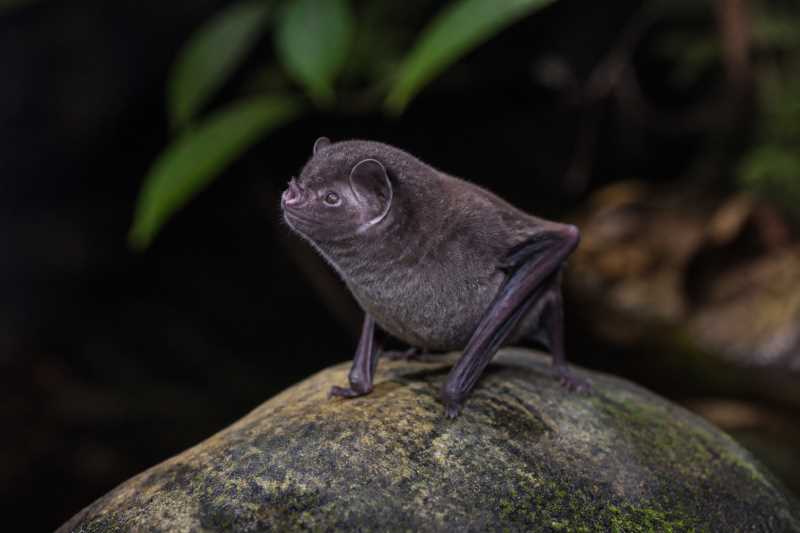
Kalko’s Round-eared Bat, scientifically known as Lophostoma kalkoae, is a fascinating species that has intrigued researchers and bat enthusiasts alike. This lesser-known mammal is part of the family Phyllostomidae, commonly referred to as New World leaf-nosed bats. Kalko’s Round-eared Bat, named after the renowned bat ecologist Dr. Elisabeth Kalko, is a remarkable example of the diversity within the bat family. This article delves into the physical characteristics, habitat, behavior, and conservation status of this unique species, providing valuable insights for both researchers and nature lovers.
Physical Description
Kalko’s Round-eared Bat is characterized by its distinctive round ears and robust body structure. Measuring between 45 to 65 millimeters in body length, with a wingspan that ranges from 280 to 320 millimeters, this bat is relatively small but agile. Its fur is typically a dark brown or grayish color, providing effective camouflage in its natural habitat. One of the most striking features is its nose-leaf, a fleshy structure on the nose that aids in echolocation. The bat’s large, round ears are not just for show; they are highly sensitive, allowing it to detect the faintest sounds in its environment, crucial for hunting and navigation.
Range and Habitat
Kalko’s Round-eared Bat is primarily found in the tropical and subtropical regions of Central and South America. Its range extends from southern Mexico through Central America to the northern parts of South America, including countries like Colombia, Venezuela, and Ecuador. This species typically inhabits lowland forests, often near water bodies, where it can find abundant food resources. The bat is known to roost in hollow trees, abandoned buildings, and sometimes caves, preferring areas that provide shelter from predators and harsh weather conditions.
Behavior and Diet
This nocturnal mammal is most active during the night when it ventures out to hunt for food. Kalko’s Round-eared Bat has a diverse diet, primarily feeding on insects and small arthropods. Its echolocation abilities allow it to detect and capture prey with remarkable precision. Occasionally, it may also consume small fruits or nectar, showcasing its adaptability in diet. Socially, this bat is known to form small colonies, often comprising family groups. These colonies are essential for social interaction and protection, especially during the breeding season.
Identification Tips
Identifying Kalko’s Round-eared Bat in the field can be challenging due to its nocturnal habits and the dense habitats it occupies. However, there are several cues that can aid in recognition:
- Ears: Look for the characteristically round ears, which are larger than those of many other bat species in the same region.
- Flight Pattern: Observe its flight, which is usually swift and direct, with rapid wing beats.
- Roosting Sites: Check hollow trees and abandoned structures during the day, as these are common roosting sites.
- Echolocation Calls: If you have access to a bat detector, the species emits a distinctive frequency range that can help in identification.
Conservation Status
Currently, Kalko’s Round-eared Bat is not listed as threatened on the IUCN Red List. However, like many bat species, it faces challenges due to habitat loss, primarily from deforestation and human encroachment on natural habitats. Conservation efforts are crucial to ensure the survival of this species, focusing on habitat preservation and restoration. In some regions, legal protections exist to safeguard bat roosts, but more comprehensive strategies are needed to address the broader environmental threats.
Frequently Asked Questions
What is the primary diet of Kalko’s Round-eared Bat?
Kalko’s Round-eared Bat primarily feeds on insects and small arthropods. It uses echolocation to hunt effectively during the night.
Where can Kalko’s Round-eared Bat be found?
This species is found in tropical and subtropical regions of Central and South America, including countries from southern Mexico to northern South America.
How does Kalko’s Round-eared Bat contribute to its ecosystem?
As an insectivore, Kalko’s Round-eared Bat plays a significant role in controlling insect populations, thus contributing to the ecological balance.
Are there any specific threats to Kalko’s Round-eared Bat?
The main threats include habitat loss due to deforestation and human encroachment. Conservation efforts focus on protecting natural habitats.
How can one identify Kalko’s Round-eared Bat in the wild?
Key identification features include its round ears, distinctive flight pattern, and roosting habits in hollow trees and abandoned buildings.
Related posts