Introduction
The Western Nectar Bat, scientifically known as Lonchophylla hesperia, is a captivating species of bat found predominantly in the western regions of South America. Known for its specialized diet and unique ecological role, this bat species plays a crucial part in pollination and the maintenance of its natural habitat. Despite its importance, the Western Nectar Bat is often overshadowed by more commonly known bat species. This article aims to shed light on the fascinating aspects of Lonchophylla hesperia, providing a comprehensive overview of its physical characteristics, habitat, behavior, and conservation status.
Physical Description
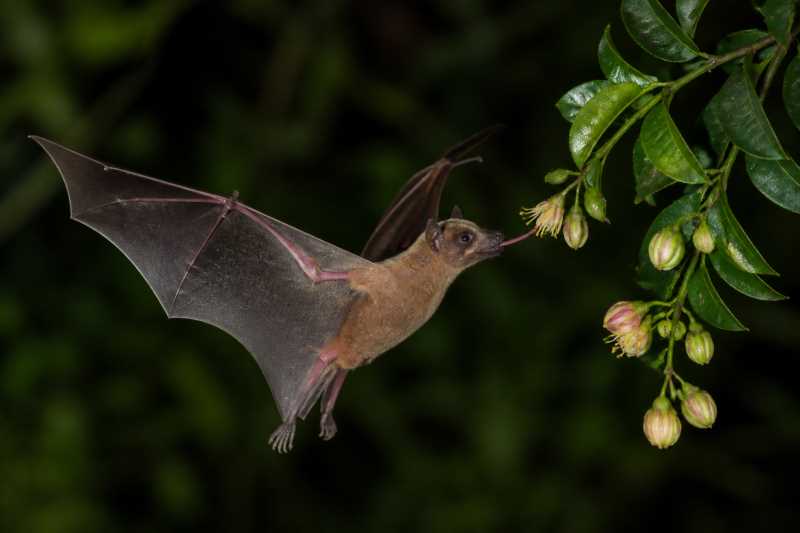
The Western Nectar Bat is a relatively small bat species, with an average body length ranging from 5 to 7 cm and a wingspan of approximately 25 to 30 cm. Weighing in at just 9 to 12 grams, this bat is characterized by its slender build and elongated snout, an adaptation that facilitates its nectar-feeding habits. The fur of the Western Nectar Bat is typically a soft, grayish-brown color, providing excellent camouflage within its natural habitat. Its wings are thin and membranous, allowing for agile and speedy flight through dense vegetation.
One of the most distinguishing features of the Western Nectar Bat is its elongated tongue, which can extend up to 1.5 times the length of its head. This adaptation is critical for accessing nectar deep within flowers, making it an efficient pollinator. Additionally, its teeth are small and sharp, suitable for its diet that occasionally includes insects and other small invertebrates.
Range and Habitat
The Western Nectar Bat is native to the arid and semi-arid regions of western South America, with its range extending across parts of Peru, Ecuador, and Colombia. These bats are primarily found in dry forests, desert scrublands, and sometimes in agricultural areas where flowering plants are abundant. The preference for such habitats is largely driven by the availability of nectar-rich flowers, which form the core of their diet.
Roosting sites for the Western Nectar Bat are typically located in caves, rock crevices, and occasionally in man-made structures. These locations offer protection from predators and extreme weather conditions, ensuring a stable environment for resting and breeding. The proximity to flowering plants is a significant factor in habitat selection, as it directly influences their feeding efficiency and reproductive success.
Behavior and Diet
Lonchophylla hesperia is primarily nocturnal, conducting most of its activities during the night. This behavior reduces competition for food and minimizes exposure to predators. The bats are solitary or form small colonies, which are often observed roosting together during the daytime.
The diet of the Western Nectar Bat is highly specialized, consisting mainly of nectar from a variety of flowering plants. This dietary preference not only sustains the bats but also facilitates pollination, as pollen is transferred from one flower to another while the bats feed. In addition to nectar, these bats occasionally consume small insects and other invertebrates, which provide essential proteins and nutrients.
Foraging typically occurs in the early hours of the evening and just before dawn, when flowers are most abundant and accessible. The bats exhibit remarkable memory and spatial navigation skills, enabling them to revisit the same flowering plants across nights.
Identification Tips (Field Recognition Cues)
Identifying the Western Nectar Bat in the field requires attention to several key characteristics:
- Size and Shape: Look for a small bat with a slender body and an elongated snout.
- Fur Color: The soft, grayish-brown fur is distinctive and aids in camouflage.
- Tongue Length: An extended tongue, visible during feeding, is a hallmark of this species.
- Flight Pattern: Observe the agile and swift flight through flowering plants, typical of nectar-feeding bats.
- Roosting Behavior: During the day, check caves, rock crevices, and occasionally man-made structures for roosting colonies.
Conservation Status (With Threats and Protections)
The Western Nectar Bat is currently listed as a species of Least Concern by the International Union for Conservation of Nature (IUCN). However, it faces several threats that could impact its populations in the future. Habitat destruction due to agricultural expansion, urban development, and deforestation poses significant risks to their natural habitats. Additionally, the use of pesticides in agricultural areas can reduce the availability of flowering plants and insects, essential components of their diet.
To mitigate these threats, conservation efforts focus on habitat protection and restoration. Establishing protected areas and promoting sustainable agricultural practices are crucial steps in preserving the natural habitats of the Western Nectar Bat. Additionally, public awareness campaigns and research initiatives are essential in understanding and addressing the ecological needs of this species.
Frequently Asked Questions
What do Western Nectar Bats eat?
Western Nectar Bats primarily feed on nectar from various flowering plants. Occasionally, they also consume small insects and invertebrates to supplement their diet with essential proteins and nutrients.
Where can Western Nectar Bats be found?
These bats are native to the western regions of South America, particularly in Peru, Ecuador, and Colombia. They inhabit dry forests, desert scrublands, and sometimes agricultural areas rich in flowering plants.
How do Western Nectar Bats contribute to their ecosystem?
As efficient pollinators, Western Nectar Bats play a vital role in the reproduction of many flowering plants. By transferring pollen from one flower to another, they help maintain biodiversity and ecosystem health.
What are the main threats to Western Nectar Bats?
The primary threats include habitat destruction due to agricultural expansion, deforestation, and urban development. Pesticide use in agricultural areas also poses a risk to their food sources.
How can we help conserve Western Nectar Bats?
Conservation efforts focus on protecting and restoring their natural habitats. Supporting sustainable agriculture and raising public awareness about their ecological role are also important measures.
Related posts