Dashe’s Nectar Bat (Hsunycteris dashe)
Introduction
Dashe’s Nectar Bat, scientifically known as Hsunycteris dashe, is a lesser-known yet fascinating mammal belonging to the family Phyllostomidae. This nectar-feeding bat species was discovered relatively recently and has sparked interest among chiropterologists and conservationists due to its unique ecological role and specialization. As a member of the New World leaf-nosed bats, it plays a vital role in pollination, contributing to the health and diversity of its ecosystem.
Physical Description
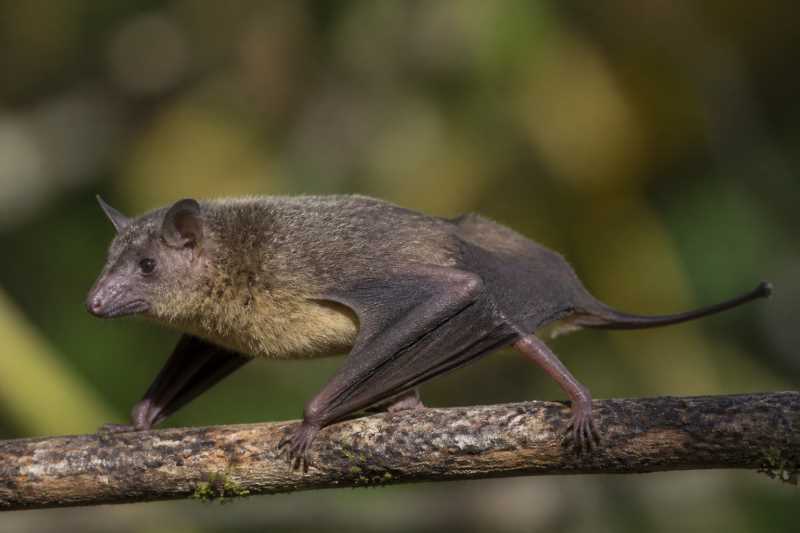
Dashe’s Nectar Bat exhibits distinctive physical characteristics that aid in its identification and ecological adaptations. These bats are small in size, with an average wingspan of 25 to 30 centimeters and a body length typically ranging from 4 to 6 centimeters. A key feature is their elongated snout, which is perfectly adapted for feeding on nectar. Their tongue is particularly long and extends well beyond the snout, equipped with brush-like papillae to efficiently extract nectar from flowers.
The fur of Hsunycteris dashe is generally a shade of brown, varying from light to medium, which allows for camouflage among the foliage. Their eyes are small, and like many bats, they rely heavily on echolocation for navigation and foraging. The leaf-nose structure, a hallmark of their family, assists in echolocation by focusing sound waves.
Range and Habitat
The range of Dashe’s Nectar Bat is primarily concentrated in the tropical and subtropical regions of Central and South America. They inhabit dense, humid forests where flowering plants are abundant. These bats are often found at lower elevations, thriving in environments that offer a rich diversity of floral resources.
Their habitats are typically characterized by a lush canopy and a proliferation of brightly colored flowers. The presence of Hsunycteris dashe is often indicative of a healthy ecosystem, as their pollination activities support the reproductive success of numerous plant species.
Behavior and Diet
Dashe’s Nectar Bat is primarily nocturnal, engaging in foraging activities from dusk till dawn. Their diet is highly specialized to include nectar, pollen, and occasionally small insects. This dietary preference positions them as key pollinators for several nocturnally blooming flowers, such as those in the genera Ceiba and Marcgravia.
These bats exhibit a fascinating foraging behavior, often hovering like hummingbirds to access nectar. This ability is supported by their impressive maneuverability in flight. Socially, Hsunycteris dashe is known to form small colonies, although solitary foraging is common.
Identification Tips (Field Recognition Cues)
Identifying Dashe’s Nectar Bat in the wild requires attention to several key characteristics:
- Size and Shape: Look for a small bat with a slender body and an elongated snout.
- Coloration: Note the light to medium brown fur, which blends with the forest surroundings.
- Flight Pattern: Observe the hovering behavior similar to that of hummingbirds when foraging.
- Auditory Cues: Listen for their unique echolocation calls, which are higher-pitched compared to insectivorous bats.
Conservation Status (with Threats and Protections)
Currently, Dashe’s Nectar Bat is classified as Near Threatened on the IUCN Red List. The primary threats to their survival include habitat destruction, climate change, and pesticide use, which adversely affect both their food sources and roosting sites. Deforestation for agriculture and logging disrupts their natural habitat, leading to a decline in population.
Conservation efforts are underway to protect Hsunycteris dashe and their habitats. Initiatives include establishing protected areas, promoting sustainable agricultural practices, and raising awareness about the ecological importance of bats. Conservationists emphasize the need for international cooperation to ensure the survival of this species.
Frequently Asked Questions
What is the primary diet of Dashe’s Nectar Bat?
Dashe’s Nectar Bat primarily feeds on nectar and pollen, making them important pollinators in their ecosystems. They occasionally consume small insects.
Where can Dashe’s Nectar Bats be found?
These bats are native to the tropical and subtropical forests of Central and South America, thriving in environments with abundant flowering plants.
How do Dashe’s Nectar Bats contribute to their ecosystem?
As pollinators, they facilitate the reproduction of various plant species, ensuring biodiversity and the health of their habitats.
Are Dashe’s Nectar Bats endangered?
They are currently classified as Near Threatened, facing threats from habitat destruction and environmental changes that impact their survival.
How can we help in the conservation of Dashe’s Nectar Bat?
Supporting conservation programs, promoting sustainable land use, and spreading awareness about the importance of bats can aid in their protection.
Related posts