Introduction
Pallas’s Long-tongued Bat, scientifically known as Glossophaga soricina, is a remarkable species of bat that belongs to the family Phyllostomidae. Renowned for its elongated tongue, this bat exhibits extraordinary adaptations that make it a crucial pollinator in its ecosystem. Its unique feeding habits and physical adaptations have drawn the interest of researchers and conservationists alike. This article delves into the fascinating world of Glossophaga soricina, exploring its physical characteristics, native habitats, behaviors, and the threats it faces in the wild.
Physical Description
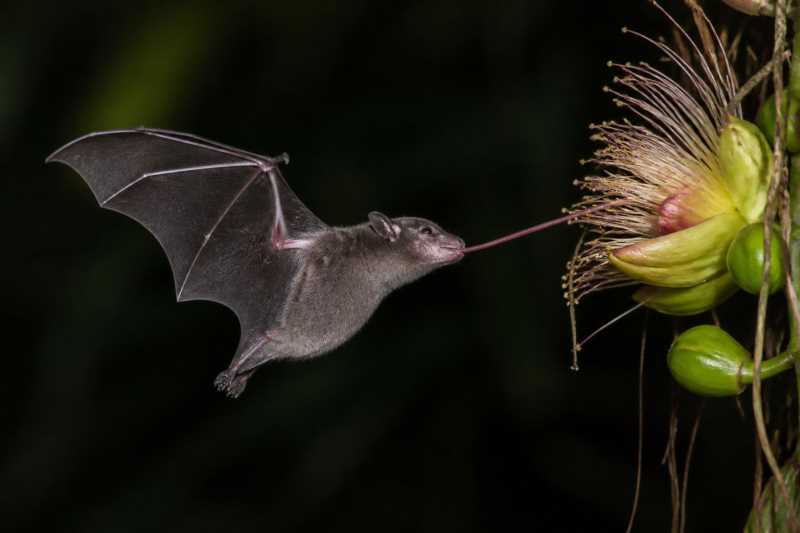
Pallas’s Long-tongued Bat is a small mammal, with an average body length ranging from 5.5 to 7.5 centimeters (2.2 to 3.0 inches) and a wingspan of about 30 centimeters (12 inches). Weighing between 7 to 10 grams, it is aptly equipped for agile flight. Its most distinctive feature is its long, narrow tongue, which can extend up to 50% of its body length. This adaptation is crucial for feeding on nectar deep within flowers, a trait shared by very few other bats.
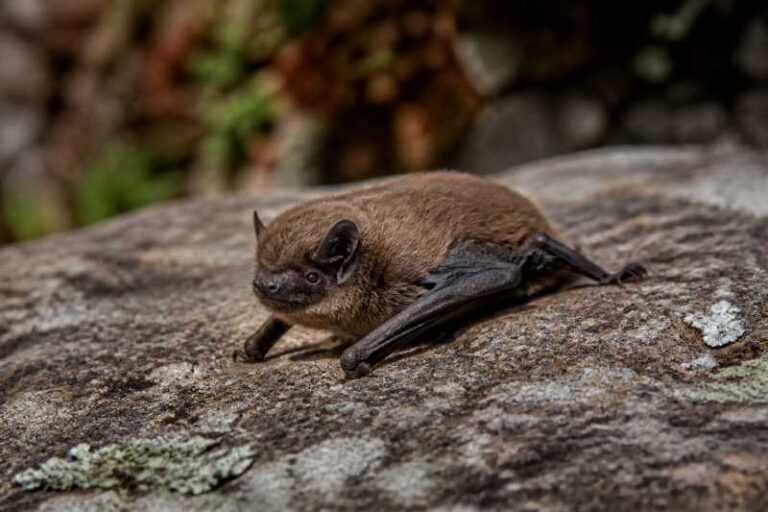
The bat’s fur is typically a grayish-brown color, providing excellent camouflage against the bark and foliage of its natural environment. Its facial features include a small, leaf-shaped nose and large eyes that are well-suited for nocturnal activity. The wings are structured for rapid, maneuverable flight, which is essential for navigating dense forests and avoiding predators.
Range and Habitat
Glossophaga soricina is widely distributed across Central and South America, with its range extending from southern Mexico through Brazil and into parts of Argentina. This species thrives in a variety of habitats, including tropical and subtropical forests, dry scrublands, and even urban areas where flowering plants are abundant.
Preferring warm climates, Pallas’s Long-tongued Bat roosts in caves, hollow trees, and man-made structures such as buildings and bridges. These roosts provide shelter from predators and harsh weather conditions. The availability of flowering plants and fruiting trees plays a significant role in determining suitable habitats for these bats, as they rely heavily on these resources for sustenance.
Behavior and Diet
Pallas’s Long-tongued Bat is primarily nocturnal, using the cover of night to forage for food. Its diet consists mainly of nectar, pollen, and fruits, making it an important pollinator for many plant species. The bat’s long tongue is equipped with bristles that help it lap up nectar efficiently.
These bats exhibit a high level of social behavior, often forming colonies that can range from a few individuals to several hundred. Communication within these colonies is facilitated by a variety of vocalizations and scent markings. During the day, they rest in communal roosts, which offer protection and social interaction.
Despite their small size, Pallas’s Long-tongued Bats play a significant ecological role. By pollinating flowers and dispersing seeds, they contribute to the health and diversity of their ecosystems. Their feeding habits also help control insect populations, as they occasionally consume small insects that are attracted to flowers.
Identification Tips
Identifying Pallas’s Long-tongued Bat in the field requires attention to several key characteristics:
- Size and Shape: Look for a small bat with a slender build and a wingspan of approximately 30 centimeters.
- Coloration: Note the grayish-brown fur that provides effective camouflage.
- Tongue: The long, extendable tongue is a definitive feature when observed feeding on flowers.
- Flight Pattern: Observe the agile and rapid flight, often characterized by hovering near flowers.
- Roosting Habits: Spot them in caves, tree hollows, or under man-made structures during the day.
Conservation Status
The conservation status of Pallas’s Long-tongued Bat is currently classified as Least Concern by the International Union for Conservation of Nature (IUCN). However, this status does not imply that the species faces no threats. Habitat destruction, climate change, and pesticide use pose significant risks to their populations.
Deforestation and land conversion for agriculture reduce the availability of natural roosting sites and food sources. Additionally, the use of pesticides can contaminate nectar sources and reduce insect availability, impacting their diet.
Efforts to conserve this species focus on habitat protection and restoration. Creating protected areas that safeguard critical habitats and promoting sustainable agricultural practices are vital for their survival. Public awareness campaigns and research initiatives also play an essential role in understanding and mitigating the threats faced by these bats.
Frequently Asked Questions
What is the primary diet of Pallas’s Long-tongued Bat?
Pallas’s Long-tongued Bat primarily feeds on nectar, pollen, and fruits. Its long tongue is specially adapted to extract nectar from deep within flowers, making it an important pollinator in its ecosystem.
Where can Pallas’s Long-tongued Bat be found?
This bat species is found throughout Central and South America, from southern Mexico to Brazil and Argentina. It inhabits tropical and subtropical forests, dry scrublands, and urban areas where flowering plants are abundant.
How does Pallas’s Long-tongued Bat contribute to its ecosystem?
As a pollinator, Pallas’s Long-tongued Bat plays a crucial role in the reproduction of many plant species. It also helps in seed dispersal and controlling insect populations, thus maintaining ecological balance.
What threats does Pallas’s Long-tongued Bat face?
The primary threats include habitat destruction due to deforestation and agricultural expansion, climate change, and pesticide use, which can affect their food sources and roosting sites.
How can we help in the conservation of Pallas’s Long-tongued Bat?
Conservation efforts include protecting natural habitats, promoting sustainable agriculture, raising public awareness, and supporting research initiatives aimed at understanding and mitigating threats to their populations.
Related posts