Bates’s Slit-faced Bat (Nycteris arge): A Detailed Overview
Introduction
Bates’s slit-faced bat, scientifically known as Nycteris arge, is a fascinating and unique species belonging to the family Nycteridae. This nocturnal mammal, known for its peculiar facial features, is found in various parts of Africa. The species plays a crucial role in its ecosystem, primarily through insect population control. Despite its ecological importance, much about this bat remains relatively understudied, making it an intriguing subject for researchers and wildlife enthusiasts alike.
Physical Description
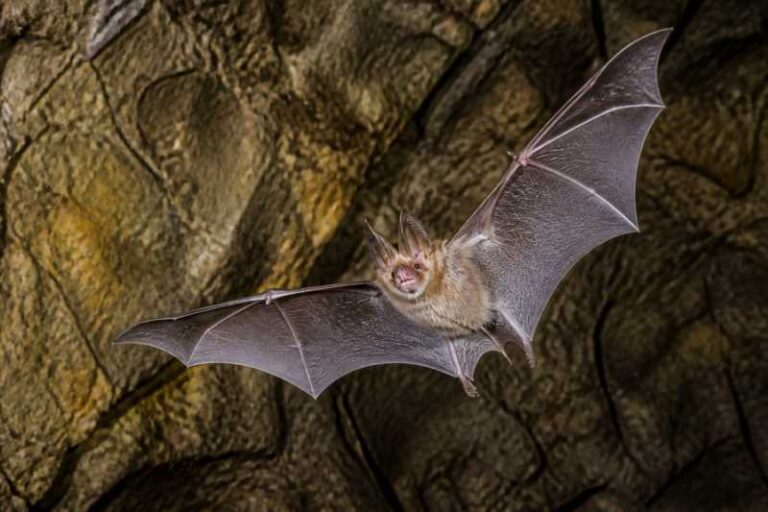
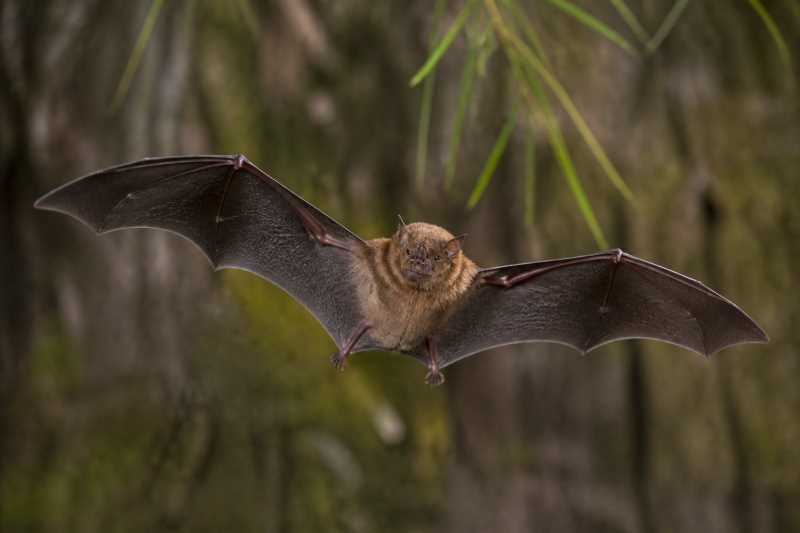
Bates’s slit-faced bat is distinguished by its characteristic facial structure. Its most prominent feature is the deep slit running down the center of its face, which is believed to aid in echolocation. These bats have a small body size, with an average wingspan of approximately 25 to 30 centimeters and a body length ranging from 6 to 8 centimeters. Their fur is typically grey or brown, providing excellent camouflage against tree bark and other natural surfaces.
The wings of Nycteris arge are long and narrow, adapted for agility and maneuverability in dense forest canopies. Their ears are large and rounded, sensitive to a wide range of frequencies, aiding in their nocturnal activities. The tail is relatively long and extends beyond the interfemoral membrane, which is a distinctive feature within the genus.
Range and Habitat
Bates’s slit-faced bat is predominantly found in sub-Saharan Africa. Its range extends across countries like Nigeria, Cameroon, Gabon, and the Democratic Republic of the Congo. The species thrives in tropical and subtropical forests, often residing near water bodies, which provide an abundant supply of insects.
These bats prefer habitats with dense foliage, allowing them to roost in tree cavities, under bark, or within dense vegetation. Their preference for forested environments means they are particularly susceptible to habitat loss due to deforestation and land conversion.
Behavior and Diet
Nycteris arge is primarily nocturnal, emerging at dusk to forage for food. Its diet mainly consists of insects, including moths, beetles, and mosquitoes, which it catches in flight using its echolocation abilities. This feeding behavior makes it a vital component of its ecosystem, helping to control insect populations.
These bats are known for their agile flying capabilities, which allow them to navigate through the dense forest canopy with ease. During the day, they roost alone or in small groups, often in secluded, protected areas.
Reproductive behavior in Bates’s slit-faced bat is not well documented, but it is believed that they follow a similar pattern to other bats in the Nycteridae family, with females giving birth to a single offspring after a gestation period of several months.
Identification Tips
Identifying Bates’s slit-faced bat in the field can be challenging due to its small size and nocturnal habits. However, there are several distinguishing characteristics to look for:
- Facial Slit: The most defining feature is the deep, vertical slit on the face, which is unique to the slit-faced bats.
- Ears and Eyes: Look for large, rounded ears and relatively small eyes, adapted for echolocation and nocturnal activity.
- Tail Structure: The tail extends beyond the interfemoral membrane, a distinctive feature that can be observed when the bat is in flight.
- Fur Color: Typically grey or brown, blending well with tree bark and other natural surroundings.
- Flight Pattern: Observe the agile and maneuverable flight, often close to the forest canopy or water surfaces.
Conservation Status
The conservation status of Bates’s slit-faced bat is currently classified as Least Concern by the International Union for Conservation of Nature (IUCN). However, this does not mean the species is without threats. The primary concern for Nycteris arge is habitat loss due to deforestation and agricultural expansion. As forests are cleared, the bats lose their natural roosting and foraging areas.
Protection efforts for this species involve habitat conservation and restoration, as well as promoting sustainable forestry practices. Raising awareness about the ecological role of bats and reducing human-wildlife conflict are also essential components of their conservation strategy.
Frequently Asked Questions
1. What are the unique features of Bates’s slit-faced bat?
Bates’s slit-faced bat is unique for its facial structure, particularly the deep slit that runs down the center of its face. This feature, along with its large ears and agile flight, makes it distinct from other bat species.
2. Where can Bates’s slit-faced bat be found?
This bat species is primarily found in sub-Saharan Africa, in countries such as Nigeria, Cameroon, and Gabon. It prefers tropical and subtropical forests with dense foliage.
3. What does Bates’s slit-faced bat eat?
The diet of Bates’s slit-faced bat consists mainly of insects, including moths, beetles, and mosquitoes. It plays a crucial role in controlling insect populations in its ecosystem.
4. How does habitat loss affect Bates’s slit-faced bat?
Habitat loss due to deforestation and land conversion poses a significant threat to Bates’s slit-faced bat, as it leads to the loss of roosting and foraging areas. Conservation efforts focus on habitat protection and sustainable land management.
5. How can one identify Bates’s slit-faced bat in the wild?
To identify Bates’s slit-faced bat, look for the deep facial slit, large rounded ears, and the tail extending beyond the interfemoral membrane. Observing its agile flight pattern at dusk can also aid in identification.
Related posts