Introduction
The Luzon Broad-toothed Rat, scientifically known as Abditomys latidens, is an intriguing species of rodent that is endemic to the island of Luzon in the Philippines. As part of the diverse family Muridae, this species contributes to the rich biodiversity of the region. Its unique adaptations and ecological niche make it a subject of interest for mammalogists and conservationists alike. Despite its obscure presence in the wild, the Luzon Broad-toothed Rat plays a crucial role in the ecosystem, and understanding its characteristics and habits can offer insights into the complex web of life within its habitat.
Physical Description
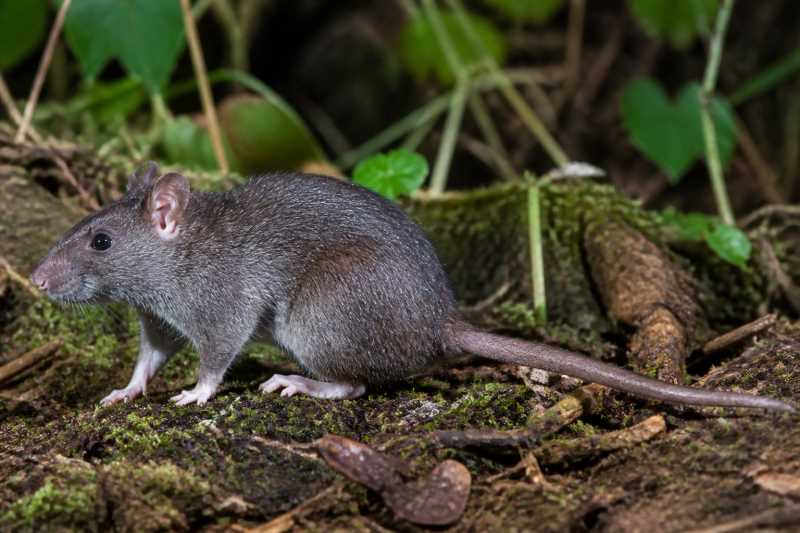
The Luzon Broad-toothed Rat is characterized by its distinctive broad teeth, which are an adaptation to its specialized diet. This species exhibits a robust body typically measuring between 18 to 22 centimeters in length, not including the tail, which can add an additional 15 to 20 centimeters. The rat’s fur is generally dark brown or gray, providing effective camouflage against the forest floor. Its underbelly is lighter, often a shade of gray or white. The ears are relatively small and rounded, while the eyes are large, reflecting its nocturnal lifestyle. The feet are adapted for climbing and digging, with sharp claws aiding in foraging and navigation through its rugged environment.
Range and Habitat
The Luzon Broad-toothed Rat is found exclusively on the island of Luzon, the largest and most biologically diverse island in the Philippines. It inhabits the montane and mossy forests, thriving at elevations ranging from 1,000 to 2,500 meters above sea level. These forests provide a cool and humid environment, rich in vegetation and food sources. The rat’s habitat is characterized by dense undergrowth, fallen logs, and a thick layer of leaf litter, which offer ample cover and foraging opportunities. The species is rarely seen outside these forested areas, indicating its strong preference for this specific ecological niche.
Behavior and Diet
Primarily nocturnal, the Luzon Broad-toothed Rat is most active during the night when it forages for food. Its diet consists mainly of seeds, fruits, and foliage, although it may occasionally consume insects and other small invertebrates. The broad teeth of this species are particularly effective at processing tough plant material, an adaptation that supports its herbivorous diet. The rat is known to create complex burrow systems, which serve as both a refuge from predators and a place to store food. Socially, the Luzon Broad-toothed Rat is relatively solitary, with individuals maintaining separate territories that they vigorously defend from intruders.
Identification Tips (Field Recognition Cues)
Identifying the Luzon Broad-toothed Rat in the field can be challenging due to its elusive nature and preference for dense forest habitats. However, certain features can aid in its recognition:
- Size and Shape: Look for a medium-sized rodent with a robust, compact body.
- Coloration: Notice the dark brown or gray fur, with a lighter underbelly.
- Tail: Observe the long tail, which is roughly equal in length to the body, aiding in balance during climbing.
- Teeth: The broad, strong teeth are a distinctive feature, though hard to observe without a close encounter.
- Habitat: Focus searches within montane and mossy forests, particularly at higher elevations.
Conservation Status (With Threats and Protections)
The Luzon Broad-toothed Rat is currently listed as "Data Deficient" by the International Union for Conservation of Nature (IUCN) due to a lack of comprehensive data on its population size and trends. However, it faces several threats that could impact its survival. Habitat destruction is the primary threat, driven by deforestation for agriculture, logging, and urban development. Climate change also poses a risk by altering the delicate balance of montane ecosystems.
Conservation efforts for the Luzon Broad-toothed Rat are focused on habitat preservation. Protected areas within Luzon, such as national parks and nature reserves, offer some degree of security. It is crucial to conduct further research to assess population dynamics and develop targeted conservation strategies.
Frequently Asked Questions
What does the Luzon Broad-toothed Rat eat?
The Luzon Broad-toothed Rat primarily feeds on seeds, fruits, and foliage. Its broad teeth are adapted to process tough plant material, though it may also consume insects and small invertebrates.
Where can I find the Luzon Broad-toothed Rat?
This species is endemic to the island of Luzon in the Philippines. It inhabits montane and mossy forests at elevations between 1,000 and 2,500 meters above sea level.
Why is the Luzon Broad-toothed Rat important?
The Luzon Broad-toothed Rat plays a vital ecological role by contributing to seed dispersal and the overall health of its forest habitat. Understanding its behavior and ecology is crucial for conserving the biodiversity of Luzon.
How can I identify the Luzon Broad-toothed Rat?
Look for a medium-sized rodent with dark brown or gray fur, a long tail, and broad teeth. It is typically found in high-elevation montane forests.
What threats does the Luzon Broad-toothed Rat face?
The primary threats include habitat destruction due to deforestation, agricultural expansion, and climate change, which can alter its montane ecosystem.
Related posts