Introduction
The Servant Mouse (Mus famulus) is an intriguing species within the expansive family of rodents. Known for its adaptability and elusive nature, this small mammal has captured the interest of researchers and wildlife enthusiasts alike. Its unique characteristics and ecological role make it an important species for understanding rodent behavior and habitat interaction. This article delves into the various aspects of the Servant Mouse, from its physical traits to its conservation status, providing a comprehensive overview of this fascinating creature.
Physical Description
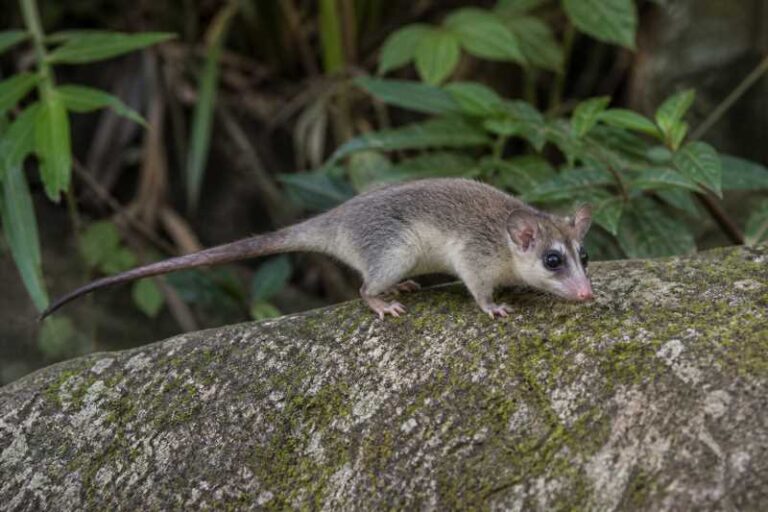
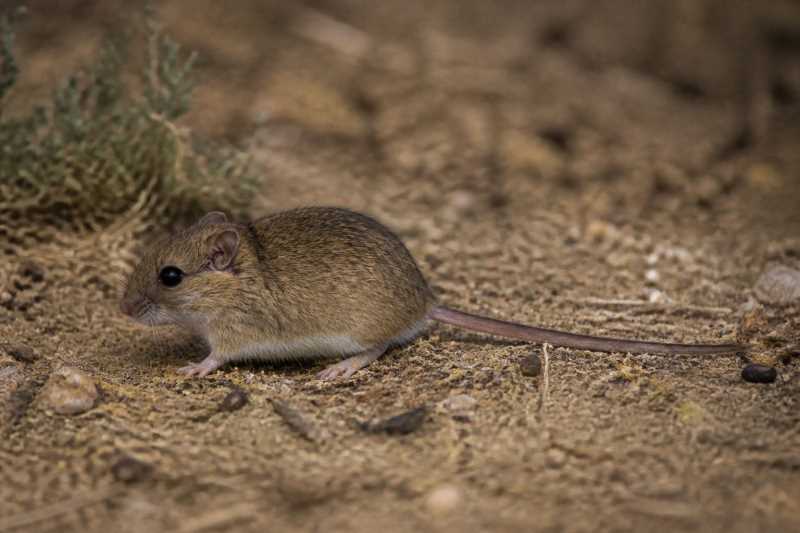
The Servant Mouse is a small rodent, with adults typically measuring between 6 to 8 centimeters in body length, excluding the tail, which adds an additional 5 to 7 centimeters. The species has a sleek, streamlined body covered in short, velvety fur that varies in color from a pale gray to a rich brown, allowing it to blend seamlessly into its environment.
The ears of the Servant Mouse are slightly rounded and moderately sized, providing acute hearing, which is essential for detecting predators. Its eyes are relatively large and dark, offering excellent night vision, a necessary adaptation for its nocturnal lifestyle. The whiskers are long and sensitive, playing a crucial role in spatial awareness and navigation in dimly lit habitats.
The Servant Mouse possesses sharp, chisel-like incisors which grow continuously throughout its life, a common trait among rodents. These teeth are essential for gnawing on seeds, stems, and other food sources.
Range and Habitat
The Servant Mouse is predominantly found in the temperate and subtropical regions of South Asia. Its range extends through various countries, including India, Nepal, and parts of Bhutan and Bangladesh. These mice have adapted to a wide range of habitats, from dense forests and grasslands to agricultural fields and urban areas.
In forested areas, the Servant Mouse tends to inhabit the understory, where it can find ample cover and food. In grasslands, it is often found in areas with tall grasses that provide both shelter and foraging opportunities. The species is also known to thrive in human-modified landscapes, where it often comes into contact with people.
Behavior and Diet
The Servant Mouse is primarily nocturnal, spending the daylight hours in burrows or hidden amongst dense vegetation. It is a solitary creature, except during the breeding season when males and females come together briefly. The species is known for its agility and speed, which are vital for evading predators such as birds of prey, snakes, and larger mammals.
Dietarily, the Servant Mouse is omnivorous, feeding on a variety of seeds, grains, insects, and occasionally small fruits. Its diet can vary significantly depending on the season and the availability of food resources. In agricultural areas, it may consume crops, often bringing it into conflict with humans.
Identification Tips
Field recognition of the Servant Mouse involves several key characteristics:
- Size and Shape: Note the small size and streamlined body that distinguish it from larger rodent species.
- Fur Color: Look for the distinctive gray to brown fur, which may vary slightly depending on the environment.
- Tail Length: The tail is typically as long as or longer than the body, aiding in balance and agility.
- Behavior: Observe nocturnal activity patterns and preference for dense cover, which are indicative of this species.
Conservation Status
The conservation status of the Servant Mouse varies across its range. While not currently listed as endangered globally, localized threats pose significant risks. Habitat destruction due to agriculture and urbanization is the primary threat, leading to loss of suitable living spaces.
In some areas, the Servant Mouse faces predation pressure from domestic animals, such as cats, and is also subject to pest control measures in agricultural regions. Conservation efforts focus on habitat protection and creating awareness about the ecological role of this species.
Protection measures involve conserving natural habitats and promoting sustainable agricultural practices that reduce the impact on local wildlife. Research is ongoing to better understand the population dynamics and ecological needs of the Servant Mouse.
Frequently Asked Questions
1. What does the Servant Mouse eat?
The Servant Mouse has an omnivorous diet, primarily consisting of seeds, grains, insects, and small fruits. Its diet can vary based on seasonal availability and habitat.
2. Where can the Servant Mouse be found?
The Servant Mouse is found in South Asia, including countries like India, Nepal, Bhutan, and Bangladesh. It inhabits forests, grasslands, agricultural fields, and urban areas.
3. How can you identify a Servant Mouse in the wild?
Key identification features include its small size, gray to brown fur, long tail, and nocturnal behavior. It is often found in areas with dense vegetation or cover.
4. Is the Servant Mouse endangered?
While not globally endangered, the Servant Mouse faces threats from habitat destruction and human activities. Conservation efforts focus on habitat protection and awareness.
5. What are the main threats to the Servant Mouse?
The primary threats include habitat loss due to agriculture and urban development, as well as predation by domestic animals and pest control measures.
Related posts