Lesser Stick-nest Rat (Leporillus apicalis): An In-depth Species Profile
Introduction
The Lesser Stick-nest Rat (Leporillus apicalis), a fascinating yet elusive mammal, once inhabited the arid landscapes of Australia. Known for its unique nesting behavior, this species has unfortunately become a symbol of extinction in Australian wildlife. This article aims to provide a comprehensive overview of the Lesser Stick-nest Rat, delving into its physical characteristics, habitat preferences, behavioral patterns, and conservation status.
Physical Description
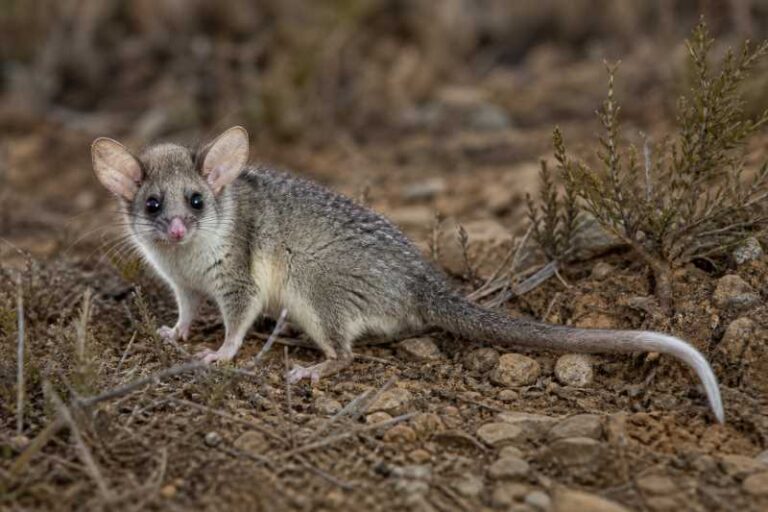
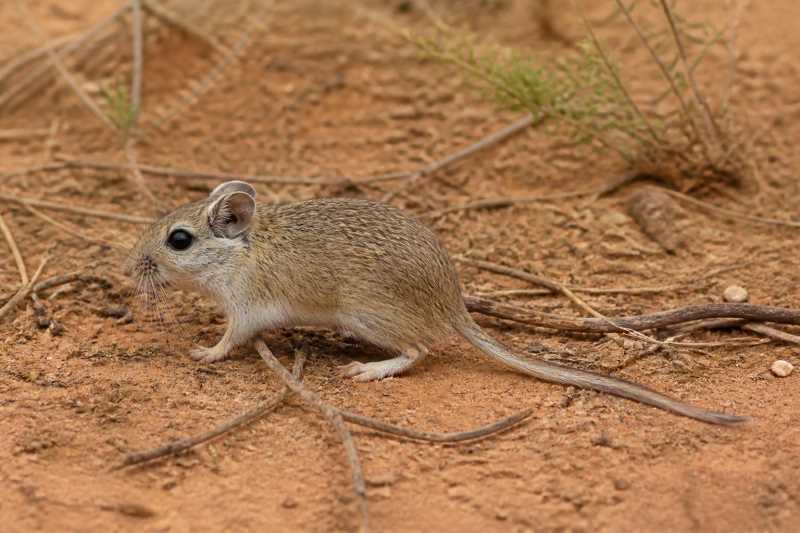
The Lesser Stick-nest Rat was a small, robust rodent, characterized by its distinctive physical attributes. Adults typically measured about 150 to 200 mm in body length, with a tail that added an additional 150 to 180 mm. Its fur was soft and dense, featuring a pale grey-brown coloration on the back and a lighter, almost white, underside. The rat’s rounded ears and large, dark eyes were well-adapted to its nocturnal lifestyle, aiding in both hearing and low-light vision. The species had strong hind legs, which were slightly longer than the forelimbs, enabling efficient movement across rocky terrains.
Range and Habitat
Historically, the Lesser Stick-nest Rat was endemic to the southern and central arid regions of Australia, particularly in areas like South Australia, Western Australia, and parts of New South Wales. Its preferred habitats included rocky outcrops, open woodlands, and shrublands with abundant undergrowth. The species was adept at surviving in harsh, dry environments, often relying on sparse vegetation for both food and shelter.
The nests of the Lesser Stick-nest Rat were architectural marvels, constructed primarily from sticks, twigs, and other plant materials. These nests, sometimes reaching up to a meter in diameter, were built in sheltered locations, such as crevices or under bushes, providing protection from predators and harsh weather conditions.
Behavior and Diet
The Lesser Stick-nest Rat was predominantly nocturnal, engaging in most of its activities under the cover of darkness. Its behavior was largely solitary, though individuals occasionally formed loose colonies, particularly when resources were abundant.
The diet of the Lesser Stick-nest Rat was primarily herbivorous, consisting of leaves, seeds, and bark. The rat was known to favor specific types of vegetation, such as saltbush and bluebush, which were abundant in its native habitat. Its ability to derive moisture from its food sources was a crucial adaptation, allowing it to survive in arid conditions with limited access to free-standing water.
Identification Tips (Field Recognition Cues)
Identifying the Lesser Stick-nest Rat in the wild would have required keen observation of several key characteristics:
- Nest Structures: The most distinctive feature would be the elaborate stick nests, often located in rocky crevices or sheltered by shrubs.
- Physical Appearance: Look for a small, grey-brown rodent with a long, bushy tail and prominent ears.
- Nocturnal Activity: Active primarily at night, these rats were best observed during the late evening or early morning hours.
- Habitat Preference: Focus on rocky, arid regions with abundant shrub cover, where these rats were most likely to be found.
Conservation Status (With Threats and Protections)
The Lesser Stick-nest Rat is currently classified as extinct. This tragic status is the result of a combination of factors that have severely impacted its survival.
Threats
- Habitat Destruction: Extensive land clearance for agriculture and grazing significantly reduced the availability of suitable habitats.
- Predation: The introduction of non-native predators, such as cats and foxes, played a crucial role in the decline of the species.
- Competition: Competition with invasive species, such as rabbits, further reduced the availability of food and shelter.
Protections
Conservation efforts for the Lesser Stick-nest Rat began too late to prevent its extinction. However, these efforts have informed current strategies to protect other endangered Australian species. Modern conservation initiatives emphasize habitat restoration, predator control, and the establishment of protected areas to safeguard remaining biodiversity.
Frequently Asked Questions
What did the Lesser Stick-nest Rat eat?
The Lesser Stick-nest Rat primarily consumed a herbivorous diet, including leaves, seeds, and bark, with a preference for saltbush and bluebush.
Where was the Lesser Stick-nest Rat found?
This species was native to arid regions of southern and central Australia, particularly in rocky outcrops and shrublands.
Why did the Lesser Stick-nest Rat go extinct?
The extinction of the Lesser Stick-nest Rat is attributed to habitat destruction, predation by introduced species, and competition from invasive animals.
Did the Lesser Stick-nest Rat build nests?
Yes, the Lesser Stick-nest Rat was known for constructing intricate nests made of sticks, often located in sheltered rocky areas.
How can we prevent further extinctions like that of the Lesser Stick-nest Rat?
Preventing further extinctions requires habitat preservation, controlling invasive species, and implementing conservation programs that protect endangered species and their ecosystems.
Related posts