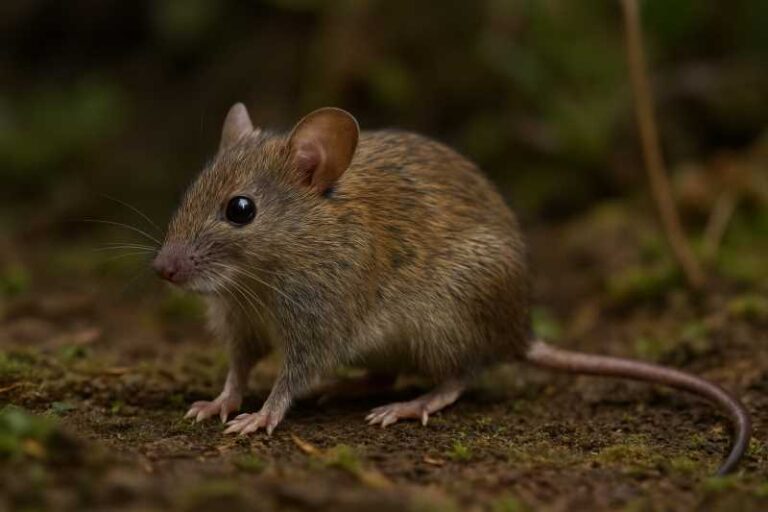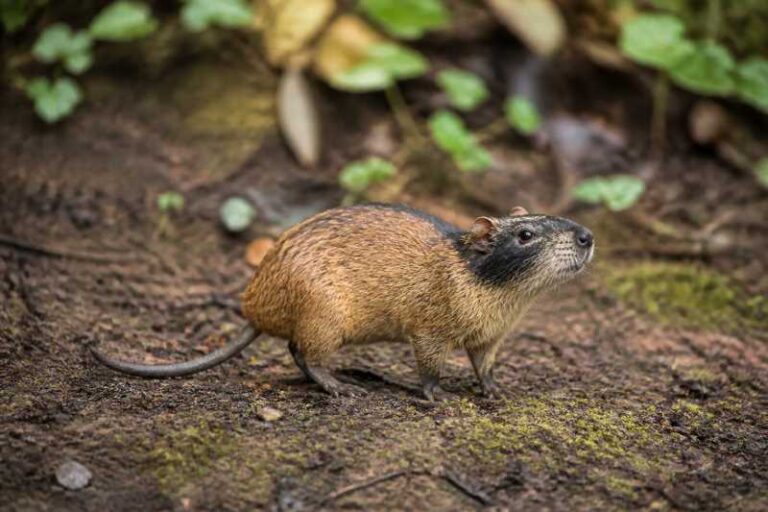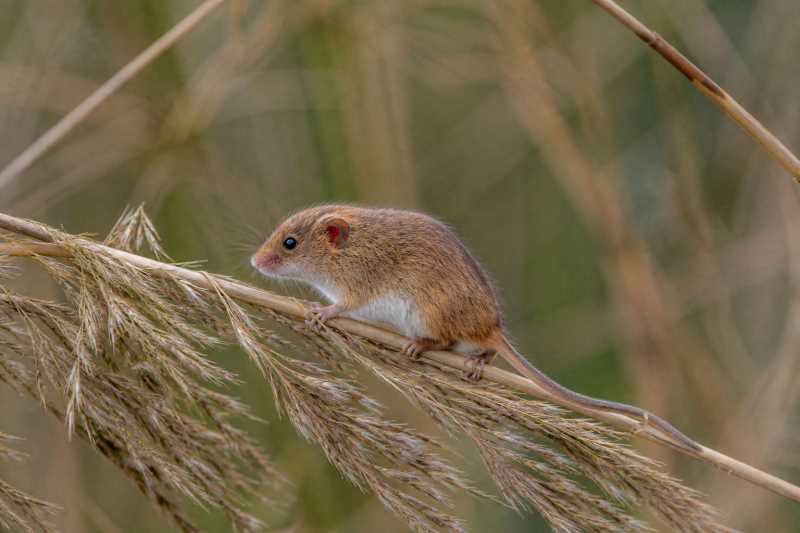
Red-eared Harvest Mouse (Micromys erythrotis)
Introduction
The Red-eared Harvest Mouse, scientifically known as Micromys erythrotis, is a small mammal species that captures the fascination of researchers and nature enthusiasts alike. Belonging to the family Muridae, this tiny creature is known for its distinctive red ears and agile nature. Despite its small size, the Red-eared Harvest Mouse plays a significant role in its ecosystem, contributing to seed dispersal and serving as prey for various predators. This article delves into the intriguing world of the Red-eared Harvest Mouse, exploring its physical characteristics, habitat, behavior, and the conservation challenges it faces.
Physical Description
The Red-eared Harvest Mouse is a diminutive rodent, measuring approximately 5 to 7 centimeters in body length, with a tail extending an additional 5 to 6 centimeters. Weighing between 5 to 8 grams, this species is characterized by its light brown to grayish fur, which provides camouflage against the forest floor and grasslands where it resides. The most striking feature of the Red-eared Harvest Mouse is the reddish hue of its ears, from which it derives its common name. This distinctive coloration makes it easily distinguishable from other harvest mice.
The mouse’s body is well-adapted for climbing and foraging, with long, slender toes and a semi-prehensile tail that aids in maintaining balance and grip on stalks and branches. Its small, beady eyes and whiskers are adapted for low-light conditions, allowing it to navigate effectively in its environment, especially during dawn and dusk when it is most active.
Range and Habitat
The Red-eared Harvest Mouse is predominantly found in parts of Southeast Asia, with its range extending through regions of China, Laos, Vietnam, and Thailand. It inhabits a variety of environments, including grasslands, rice paddies, and forest edges. These habitats provide ample food sources and shelter, crucial for its survival.
This species thrives in areas with dense vegetation, where it can easily construct nests from woven grass and leaves. The presence of water bodies such as streams and ponds is also a common feature of its habitat, providing necessary hydration and an abundance of insects, which form a significant part of its diet.
Behavior and Diet
Red-eared Harvest Mice are primarily nocturnal, displaying peak activity during the dawn and dusk hours. Their nocturnal nature helps them avoid predators while foraging for food. They are solitary creatures, coming together only during the breeding season, which typically occurs in the warmer months when food is abundant.
Their diet is omnivorous, consisting of seeds, grains, insects, and occasionally small fruits and berries. The mouse’s ability to climb allows it to access a variety of food sources, contributing to its adaptability in different environments. Foraging is a meticulous process, with the mouse relying heavily on its keen sense of smell and touch to locate food.
Identification Tips (Field Recognition Cues)
Identifying a Red-eared Harvest Mouse in the wild requires keen observation and an understanding of its unique features. Here are some tips to help field researchers and enthusiasts:
- Ear Coloration: Look for the distinctive red hue of the ears, which is a primary identification marker.
- Size and Shape: Note the small size and slender build, with a proportionally long tail.
- Habitat: Observe the surroundings; these mice are often found in dense vegetation near water sources.
- Activity Patterns: Spot them during their active hours at dawn and dusk.
- Behavior: Watch for their agile movements, often climbing stalks and small branches.
Conservation Status (with Threats and Protections)
The conservation status of the Red-eared Harvest Mouse is currently listed as Least Concern by the International Union for Conservation of Nature (IUCN). However, like many species, it faces threats that could impact its future survival.
Threats
- Habitat Loss: Urbanization and agricultural expansion are primary threats, leading to habitat fragmentation and loss.
- Pesticides: The use of pesticides in agriculture can poison these mice and reduce their food sources.
- Predation: Natural predators such as birds of prey, snakes, and larger mammals pose a constant threat.
Protections
Conservation efforts focus on habitat preservation and promoting sustainable agricultural practices that minimize pesticide use. Protected areas and wildlife reserves play a critical role in maintaining the natural habitats of the Red-eared Harvest Mouse.
Frequently Asked Questions
What does the Red-eared Harvest Mouse eat?
The Red-eared Harvest Mouse has an omnivorous diet, primarily consuming seeds, grains, insects, and occasionally small fruits and berries. Its diet varies depending on the availability of food sources in its environment.
Where can you find the Red-eared Harvest Mouse?
This species is typically found in Southeast Asia, including regions of China, Laos, Vietnam, and Thailand. It inhabits grasslands, rice paddies, and forest edges, often near water sources.
How does the Red-eared Harvest Mouse avoid predators?
The Red-eared Harvest Mouse avoids predators through its nocturnal activity patterns, utilizing dense vegetation for cover and its agility to climb and escape threats. Its camouflaged fur also helps it blend into its environment.
Why is the Red-eared Harvest Mouse important to its ecosystem?
This mouse plays a crucial role in seed dispersal, helping to maintain plant diversity. It also serves as a food source for various predators, thus contributing to the food web.
How can I help in conserving the Red-eared Harvest Mouse?
Supporting conservation organizations and initiatives that focus on habitat preservation and promoting sustainable agricultural practices can help protect the Red-eared Harvest Mouse and its habitat.
Related posts