Woolley’s Moss Mouse: A Comprehensive Guide
Introduction
The Woolley’s Moss Mouse, scientifically known as Pseudohydromys patriciae, is a fascinating yet lesser-known mammal species that inhabits the lush rainforests of Papua New Guinea. Discovered relatively recently, this elusive rodent has caught the attention of mammalogists and conservationists alike due to its unique adaptations and ecological significance. This article delves into the various aspects of the Woolley’s Moss Mouse, from its physical characteristics to its conservation status, providing an in-depth look at a species deserving of more recognition.
Physical Description
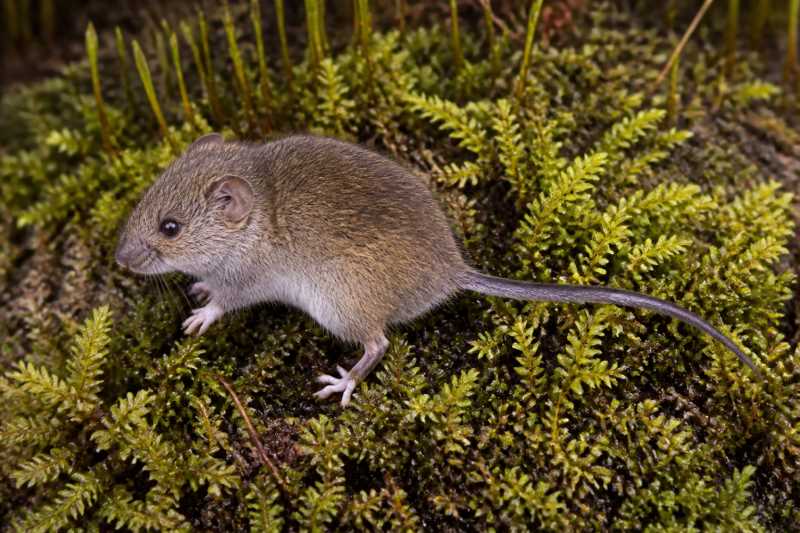
The Woolley’s Moss Mouse is a small, nocturnal rodent characterized by its soft, dense fur, which is predominantly grey-brown on the dorsal side and lighter on the ventral side. The mouse has a relatively small body size, typically measuring around 10 to 12 cm in length, with a tail that is slightly shorter than its body length. Its ears are small and rounded, an adaptation that helps in minimizing heat loss and provides protection from the moist habitat it frequents.
The species exhibits a slender build with a pointed snout, which is an evolutionary adaptation for foraging in tight spaces and dense mossy environments. Its limbs are short, yet strong, enabling it to navigate the challenging terrains of its rainforest habitat. The feet are adapted for a semi-arboreal lifestyle, equipped with sharp claws that provide a firm grip on slippery surfaces.
Range and Habitat
Endemic to the montane rainforests of Papua New Guinea, the Woolley’s Moss Mouse is primarily found in high-altitude regions ranging from 1,200 to 2,700 meters above sea level. These areas are characterized by cool, moist climates and dense vegetation, providing an ideal habitat for the species.
The mouse occupies a niche within the mossy forests, where it thrives amidst the thick undergrowth and abundant leaf litter. The presence of mosses and ferns is a critical component of its habitat, offering both food resources and camouflage from predators. The fragmented nature of its habitat, however, poses challenges for its conservation, as deforestation and habitat degradation continue to threaten its existence.
Behavior and Diet
As a nocturnal species, the Woolley’s Moss Mouse is most active during the night, spending the daylight hours hidden in the dense undergrowth. Its behavior is characterized by solitary foraging and nesting habits, with individuals maintaining small home ranges that they fiercely defend from intruders.
The diet of the Woolley’s Moss Mouse primarily consists of insects, small invertebrates, and plant material. Its foraging activity plays a crucial role in the ecosystem, aiding in the dispersal of seeds and contributing to the control of insect populations. The mouse exhibits opportunistic feeding behavior, adapting its diet based on seasonal availability of food resources.
Identification Tips (Field Recognition Cues)
Identifying the Woolley’s Moss Mouse in the field can be challenging due to its elusive nature and the dense habitat it occupies. However, several key characteristics can aid in its recognition:
- Size and Build: Look for a small, slender rodent with a pointed snout and short limbs.
- Fur Coloration: Note the grey-brown dorsal fur contrasting with a lighter ventral side.
- Tail Length: The tail is slightly shorter than the body, with a sparse covering of hair.
- Habitat: Found in high-altitude mossy forests, usually above 1,200 meters.
- Activity Pattern: Primarily nocturnal, so sightings are more likely during night surveys.
Conservation Status
The conservation status of the Woolley’s Moss Mouse is currently listed as "Data Deficient" by the International Union for Conservation of Nature (IUCN), indicating a need for more research to determine its population trends and threats. The primary threats to the species include habitat loss due to logging, agricultural expansion, and climate change, which alters the delicate balance of its montane ecosystem.
Conservation efforts aimed at protecting the Woolley’s Moss Mouse focus on preserving its natural habitat through the establishment of protected areas and promoting sustainable land-use practices. Collaboration between governmental and non-governmental organizations is crucial in implementing effective conservation strategies to ensure the survival of this unique species.
Frequently Asked Questions
What is the typical lifespan of a Woolley’s Moss Mouse?
The lifespan of the Woolley’s Moss Mouse in the wild is not well-documented, but similar small rodent species typically live for 1 to 2 years. Factors such as predation and food availability significantly influence their longevity.
How does the Woolley’s Moss Mouse contribute to its ecosystem?
The Woolley’s Moss Mouse plays a vital role in its ecosystem by aiding in seed dispersal and controlling insect populations. Its foraging behavior helps maintain the ecological balance within its habitat.
Are there any initiatives to protect the Woolley’s Moss Mouse?
Yes, there are ongoing conservation efforts to protect the Woolley’s Moss Mouse, including the establishment of protected areas and promoting habitat restoration projects. However, more research is needed to effectively address the conservation needs of the species.
Can the Woolley’s Moss Mouse be found in captivity?
Currently, the Woolley’s Moss Mouse is not commonly found in captivity. Conservation efforts focus on preserving its natural habitat rather than maintaining captive populations.
What adaptations help the Woolley’s Moss Mouse survive in its environment?
Adaptations such as its dense fur for insulation, sharp claws for climbing, and nocturnal behavior help the Woolley’s Moss Mouse navigate and survive in the cool, moist montane forests of Papua New Guinea.
Related posts