Papuan Mosaic-tailed Rat: A Comprehensive Guide
Introduction
The Papuan Mosaic-tailed Rat, scientifically known as Protochromys fellowsi, is a fascinating rodent species that inhabits the lush forests of Papua New Guinea. With its unique physical characteristics and ecological role, this species has garnered the interest of both scientists and wildlife enthusiasts. This article delves into the various aspects of the Papuan Mosaic-tailed Rat, covering its physical description, habitat, behavior, and conservation status. Whether you’re a researcher, a student, or a nature lover, this comprehensive guide will provide valuable insights into this intriguing mammal species.
Physical Description
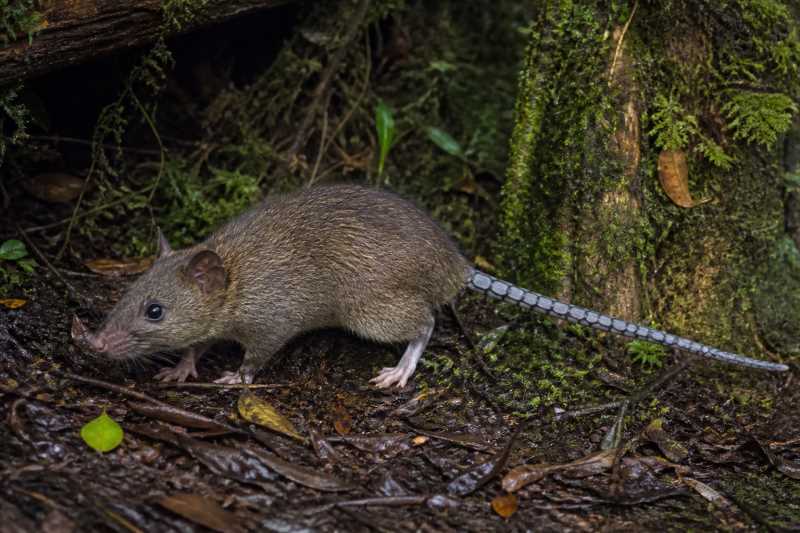
The Papuan Mosaic-tailed Rat is a medium-sized rodent characterized by its distinctive tail, which is covered in a mosaic pattern of scales. This feature is not only unique but also aids in distinguishing it from other rodent species in its habitat. The body length of the Papuan Mosaic-tailed Rat ranges from 15 to 20 centimeters, with a tail length that slightly surpasses the body length, contributing to its agile movements through the forest canopy.
The fur of the Papuan Mosaic-tailed Rat is dense and soft, providing insulation against the varying temperatures of its habitat. The coloration is generally a mix of gray and brown, which offers excellent camouflage against the forest floor and tree trunks. The underbelly is typically lighter, often a pale gray or cream color. The eyes are large and round, adapted for nocturnal activity, while the ears are small and rounded, aiding in acute hearing.
Range and Habitat
The Papuan Mosaic-tailed Rat is endemic to Papua New Guinea, primarily found in the lowland and montane forests of the region. Its range includes both primary and secondary forests, showcasing its adaptability to different forest conditions. The species thrives in areas with dense vegetation, providing ample cover and food resources.
This rodent is arboreal, spending a significant amount of time in the trees, although it descends to the ground to forage. The availability of fruiting trees and a diverse understory are crucial for its survival, as they provide both food and shelter. The Papuan Mosaic-tailed Rat is also found in disturbed habitats, such as logged forests, indicating a degree of resilience to habitat changes.
Behavior and Diet
The behavior of the Papuan Mosaic-tailed Rat is primarily nocturnal, with peak activity occurring during the night. This nocturnal lifestyle helps avoid predators and the harsh daytime temperatures of the tropics. The species is solitary, with individuals maintaining territories that they mark with scent glands.
The diet of the Papuan Mosaic-tailed Rat is omnivorous, consisting of fruits, seeds, insects, and small invertebrates. It plays a vital role in seed dispersal, as it transports and caches seeds throughout its territory. This behavior contributes to forest regeneration and the maintenance of plant diversity in its habitat.
Identification Tips
Identifying the Papuan Mosaic-tailed Rat in the field requires attention to several key characteristics:
- Tail Pattern: Look for the distinctive mosaic pattern on the tail, which differentiates it from other rodent species.
- Fur Coloration: Note the gray-brown fur with a lighter underbelly, providing camouflage in the forest.
- Size and Shape: Observe the medium size, with a body length of 15 to 20 centimeters and a slightly longer tail.
- Activity Pattern: Spot them during nighttime when they are most active.
Conservation Status
The conservation status of the Papuan Mosaic-tailed Rat is currently classified as "Least Concern" by the International Union for Conservation of Nature (IUCN). However, certain threats could impact its populations in the future. These threats include habitat loss due to deforestation for agriculture and logging, which reduces the available habitat and resources for this species.
Protections in place for the Papuan Mosaic-tailed Rat involve the establishment of protected areas and national parks in Papua New Guinea. These areas help preserve critical habitats and provide a refuge for the species and other wildlife.
Frequently Asked Questions
What does the Papuan Mosaic-tailed Rat eat?
The Papuan Mosaic-tailed Rat has an omnivorous diet, feeding on a variety of fruits, seeds, insects, and small invertebrates. This diverse diet allows it to adapt to different food availabilities in its habitat.
How does the Papuan Mosaic-tailed Rat contribute to the ecosystem?
This species plays a crucial role in seed dispersal, aiding in the regeneration and maintenance of plant diversity in its forest habitat. By caching and transporting seeds, it helps promote forest growth and health.
Where can the Papuan Mosaic-tailed Rat be found?
Endemic to Papua New Guinea, the Papuan Mosaic-tailed Rat inhabits lowland and montane forests. It is adaptable to both primary and secondary forests and even disturbed habitats like logged areas.
Is the Papuan Mosaic-tailed Rat endangered?
Currently, the Papuan Mosaic-tailed Rat is classified as "Least Concern" by the IUCN. However, ongoing habitat loss could pose future threats to its population if not addressed through conservation efforts.
How can I identify the Papuan Mosaic-tailed Rat in the wild?
To identify the Papuan Mosaic-tailed Rat, look for its unique mosaic-patterned tail, gray-brown fur with a lighter underbelly, and medium size. It is also primarily active at night.
Related posts