Capricorn Rabbit Rat (Conilurus capricornensis): An In-Depth Exploration
Introduction
The Capricorn Rabbit Rat, scientifically known as Conilurus capricornensis, is a fascinating yet lesser-known species of rodent endemic to Australia. This elusive mammal is a member of the Muridae family and is considered a critical part of the Australian ecosystem. First described in the late 20th century, the Capricorn Rabbit Rat has garnered interest from wildlife enthusiasts and researchers alike due to its unique characteristics and conservation challenges. This article aims to provide a comprehensive overview of the Capricorn Rabbit Rat, delving into its physical description, habitat, behavior, and much more.
Physical Description
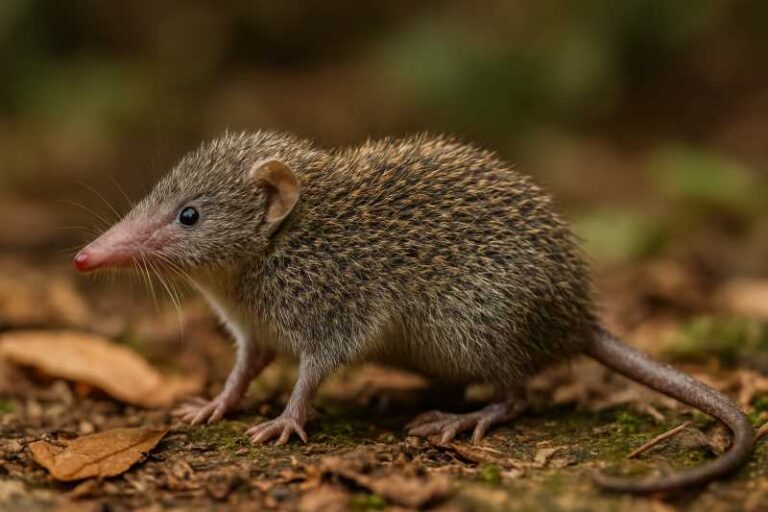
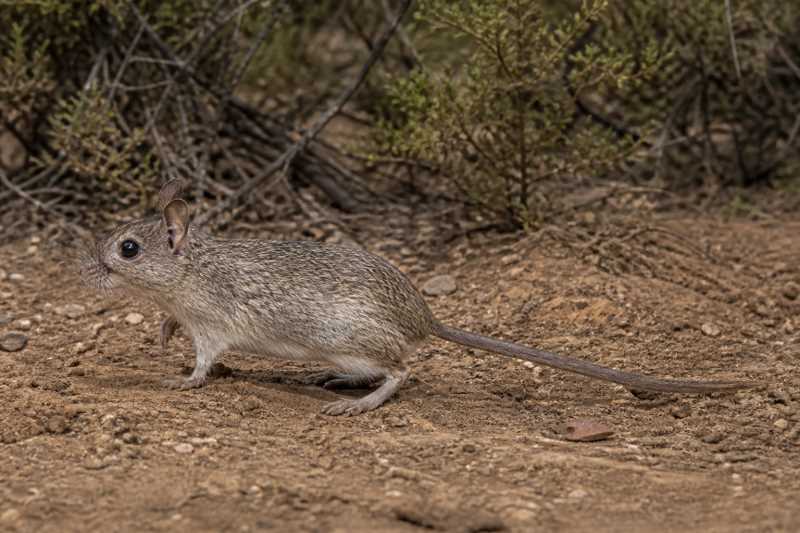
The Capricorn Rabbit Rat is a medium-sized rodent with distinctive features that make it stand out among other Australian mammals. It typically measures between 18 to 25 centimeters in body length, with a tail that adds an additional 15 to 20 centimeters. The species exhibits a robust body with a somewhat rabbit-like appearance, characterized by its large, rounded ears and elongated hind legs.
The fur of the Capricorn Rabbit Rat is soft and dense, often displaying a mottled mix of gray and brown tones, which provides excellent camouflage against the forest floor. Its underbelly is lighter, usually a creamy white, providing a striking contrast to its darker dorsal fur. The species’ eyes are large and expressive, adapted for nocturnal activity, and its whiskers are highly sensitive, aiding in navigation through dense vegetation at night.
Range and Habitat
The Capricorn Rabbit Rat is native to a limited range within Australia’s northeastern regions, predominantly found in the Capricorn district, from which it derives its name. Its habitat is primarily composed of open woodlands and forested areas, where it can find ample cover and food resources.
This species thrives in environments with a dense understory and abundant leaf litter, which offers both protection from predators and a rich foraging ground. The Capricorn Rabbit Rat is particularly fond of areas that provide fallen logs and natural debris, which it uses for nesting and shelter. Seasonal variations in rainfall and temperature significantly influence its habitat preferences, making it more active during the wet season when food is abundant.
Behavior and Diet
The Capricorn Rabbit Rat is a nocturnal creature, spending its nights foraging for food and its days resting in well-concealed nests. Its diet is primarily herbivorous, consisting of seeds, fruits, and leaves, though it may occasionally consume insects and other small invertebrates to supplement its nutritional intake.
Socially, the Capricorn Rabbit Rat is relatively solitary, with individuals maintaining defined territories that they mark using scent glands. Breeding usually occurs during the wet season when food resources are plentiful, with females giving birth to litters of two to four young after a gestation period of approximately 30 days.
Identification Tips
Identifying the Capricorn Rabbit Rat in the field requires keen observation skills and knowledge of specific cues. Here are some tips to help recognize this unique species:
- Habitat: Look for them in open woodlands and forests with dense undergrowth.
- Appearance: Note the large, rabbit-like ears and elongated hind legs.
- Behavior: Active at night, they are rarely seen during daylight hours.
- Sounds: Listen for their soft, chattering calls at night.
- Tracks: Look for small, rodent-like tracks with distinct hind foot impressions.
Conservation Status
The Capricorn Rabbit Rat is currently listed as a species of conservation concern due to its restricted range and declining population. The primary threats facing this species include habitat destruction from land development, agriculture, and the introduction of invasive species such as feral cats and foxes.
Conservation efforts are underway to protect the Capricorn Rabbit Rat, focusing on habitat preservation and management, as well as research into population dynamics and reproductive biology. Protected areas have been established in key habitats to safeguard this species from further decline, and ongoing monitoring aims to assess the effectiveness of these measures.
Frequently Asked Questions
What is the primary diet of the Capricorn Rabbit Rat?
The Capricorn Rabbit Rat primarily feeds on seeds, fruits, and leaves, with occasional consumption of insects and small invertebrates.
Where can the Capricorn Rabbit Rat be found?
This species is found in northeastern Australia, specifically within the Capricorn district, thriving in open woodlands and forested areas.
What threats do Capricorn Rabbit Rats face?
The main threats include habitat destruction, predation by invasive species like feral cats, and environmental changes that affect their food supply.
How can one identify a Capricorn Rabbit Rat in the wild?
Look for their distinct large ears, elongated hind legs, and listen for their nocturnal chattering calls.
What conservation efforts are in place for the Capricorn Rabbit Rat?
Efforts include habitat protection, research initiatives, and establishing protected areas to mitigate population decline.
Related posts