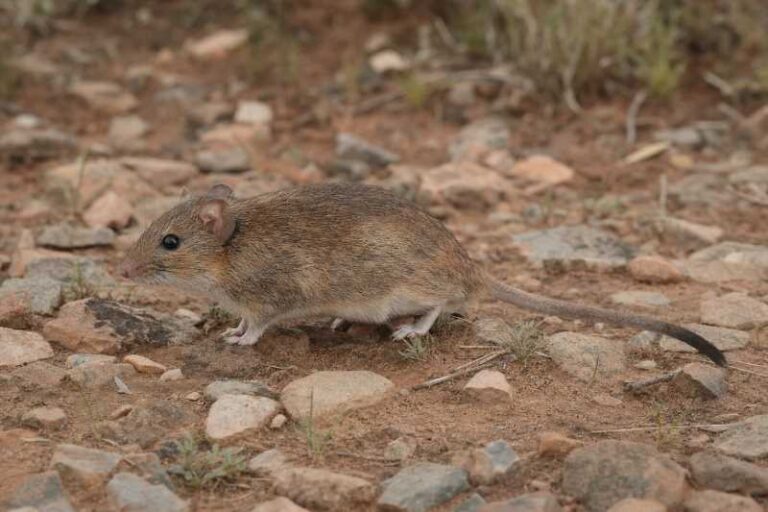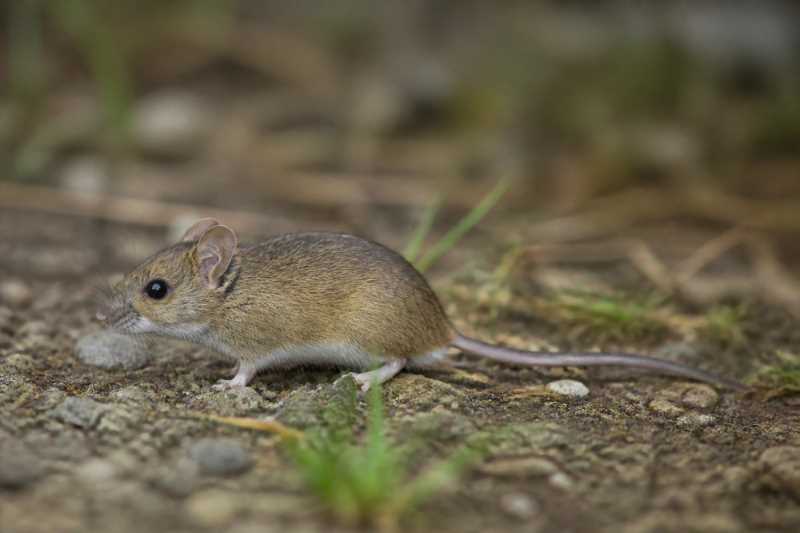
Western Broad-toothed Field Mouse (Apodemus epimelas)
Introduction
The Western Broad-toothed Field Mouse, scientifically known as Apodemus epimelas, is a fascinating small mammal that thrives in various habitats across Europe. This species, part of the larger Muridae family, is known for its adaptability and unique characteristics that set it apart from other rodents. As more people become interested in wildlife and biodiversity, understanding the nuances of species like the Western Broad-toothed Field Mouse becomes increasingly important.
Physical Description
The Western Broad-toothed Field Mouse is characterized by its small size and distinctive broad teeth, which are a notable feature of this species. Typically, these mice have a body length ranging from 8 to 12 centimeters, with a tail that is slightly shorter than their body length, measuring around 7 to 10 centimeters. The fur of Apodemus epimelas is generally soft and dense, providing it with insulation against cold weather. Its coloration is usually a blend of brown and gray on the dorsal side, with a lighter, almost white, underbelly.
These mice have relatively large eyes and ears, which are well-adapted for their nocturnal lifestyle. The broad-toothed feature, from which they derive their name, is an evolutionary adaptation that aids in their dietary habits. Their teeth are designed to efficiently process a variety of seeds and grains, a staple in their diet.
Range and Habitat
The Western Broad-toothed Field Mouse is predominantly found in a range stretching across Central and Southeastern Europe. Countries such as Austria, Hungary, Slovenia, Croatia, and parts of Italy are known to host populations of this species. Their preferred habitats include deciduous and mixed forests, where they can find ample shelter and food sources. However, they are also known to inhabit grasslands and agricultural areas, demonstrating their versatility and adaptability.
These mice have a preference for areas that offer dense ground cover, which provides both protection from predators and a rich source of food. The presence of shrubs and leaf litter is particularly appealing to them, as it offers a suitable environment for nesting and foraging.
Behavior and Diet
Western Broad-toothed Field Mice are primarily nocturnal, meaning they are most active during the night. This nocturnal behavior helps them avoid many diurnal predators. During the day, they retreat to their burrows or nests, which are often located underground or within dense vegetation.
Their diet is largely omnivorous, with a heavy reliance on seeds and grains. They are also known to consume insects, fruits, and green plant material when available. This varied diet allows them to thrive in diverse environments and adapt to seasonal changes in food availability.
Socially, these mice are relatively solitary, with individuals maintaining and defending their own territories. However, during the breeding season, which typically occurs in the warmer months, they become more social to facilitate mating. Female mice give birth to litters of 3-8 young after a gestation period of about 23 days. The young are weaned at around three weeks of age, at which point they start exploring their surroundings independently.
Identification Tips (Field Recognition Cues)
Identifying the Western Broad-toothed Field Mouse in the field involves a keen eye for their distinct features and behaviors:
- Size and Shape: Look for a small rodent with a body length of 8-12 cm and a proportionately shorter tail.
- Fur Coloration: Note the brown and gray dorsal fur with a contrasting light underbelly.
- Ears and Eyes: Large ears and eyes are indicative of their nocturnal nature.
- Teeth: While not visible from a distance, the broad teeth are a unique feature for close observation.
- Habitat: These mice are often found in forested areas with dense undergrowth or in fields near forests.
- Behavior: Observe nocturnal activity patterns and solitary behavior outside the breeding season.
Conservation Status (with Threats and Protections)
The Western Broad-toothed Field Mouse is currently listed as a species of "Least Concern" by the International Union for Conservation of Nature (IUCN). This classification is due to its wide distribution and presumed large population.
However, the species faces several threats that could impact its populations in the future. Habitat destruction due to agricultural expansion, urban development, and deforestation poses significant risks. Additionally, the use of pesticides in agricultural areas can reduce food availability and directly harm these mice.
Conservation efforts focus on habitat preservation and minimizing pesticide usage. Protected areas and national parks within their range help safeguard their natural habitats. Continued monitoring of population trends and habitat quality is essential to ensure the species remains stable.
Frequently Asked Questions
What do Western Broad-toothed Field Mice eat?
Western Broad-toothed Field Mice have an omnivorous diet, primarily consisting of seeds and grains. They also eat insects, fruits, and green plant materials when available.
Where can you find Western Broad-toothed Field Mice?
These mice are found in Central and Southeastern Europe, particularly in countries like Austria, Hungary, Slovenia, and Croatia. They prefer deciduous forests, grasslands, and agricultural areas.
How do Western Broad-toothed Field Mice avoid predators?
As nocturnal creatures, they are active at night, which helps them avoid many daytime predators. They also use dense ground cover for protection and build their nests underground or in thick vegetation.
Are Western Broad-toothed Field Mice endangered?
No, the Western Broad-toothed Field Mouse is currently classified as "Least Concern" by the IUCN. Despite this, habitat loss and pesticide use pose potential threats to their populations.
How can you identify a Western Broad-toothed Field Mouse?
Key identification features include their small size, brown and gray fur, large ears and eyes, and broad teeth. They are typically found in forested or grassy habitats.
Related posts