Northwestern Marsh Rice Rat (Oryzomys texensis): An In-depth Exploration
Introduction
The Northwestern Marsh Rice Rat, scientifically known as Oryzomys texensis, is a small but fascinating rodent species that belongs to the family Cricetidae. This species has intrigued mammalogists and wildlife enthusiasts alike due to its unique adaptations and ecological role. The Northwestern Marsh Rice Rat is primarily found in marshy and wetland habitats in parts of the United States. This article will delve into various aspects of the Northwestern Marsh Rice Rat, including its physical characteristics, habitat preferences, behavior, and conservation status.
Physical Description
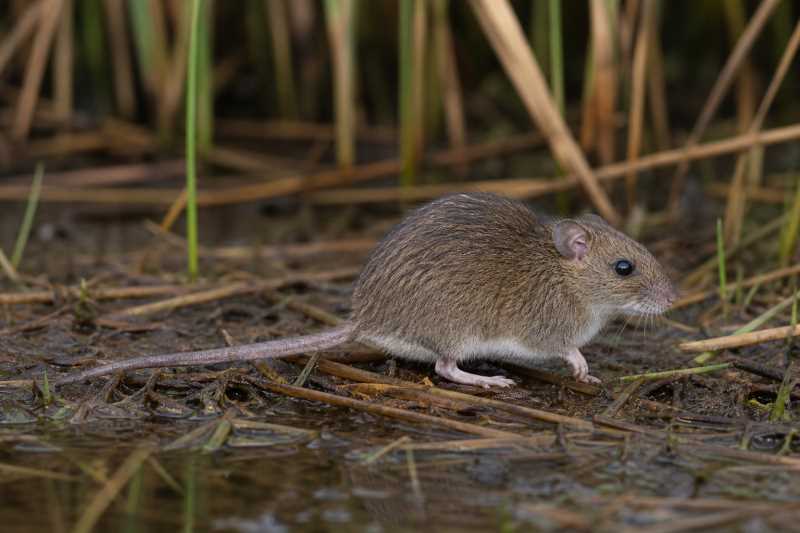
The Northwestern Marsh Rice Rat is a medium-sized rodent with a distinctive appearance. Adults typically measure between 21 to 30 centimeters in length, including the tail, which itself accounts for about half of the total body length. The tail is slightly scaled and sparsely haired, providing a tactile advantage in its marshy habitat.
The fur of the Northwestern Marsh Rice Rat is dense and water-resistant, an adaptation to its wetland environment. The dorsal side is usually a dark brown or grayish color, while the ventral side is lighter, often a pale gray or white. This coloration provides effective camouflage against predators in its natural habitat. The rat’s eyes are large and protruding, an adaptation that enhances its night vision, essential for its crepuscular and nocturnal activities.
Range and Habitat
The Northwestern Marsh Rice Rat is predominantly found in the central and southern parts of the United States. Its range extends from Texas through Oklahoma and into parts of Kansas and Missouri. The species favors habitats that are rich in water resources, such as marshes, swamps, and the edges of rivers and lakes.
These habitats provide not only food resources but also protection from predators. The vegetation in marshy areas offers cover, while the proximity to water bodies facilitates escape from terrestrial predators. The Northwestern Marsh Rice Rat is also known to inhabit rice fields, which provide both food and temporary shelter.
Behavior and Diet
The Northwestern Marsh Rice Rat is primarily nocturnal, although it may exhibit crepuscular activity, particularly during the warmer months. This behavior is largely driven by the need to avoid daytime predators and the cooler nighttime temperatures.
In terms of diet, the Northwestern Marsh Rice Rat is omnivorous. It primarily feeds on seeds, grains, and aquatic vegetation. However, it is also known to consume insects, small crustaceans, and occasionally small fish or amphibians. This varied diet is a testament to its adaptability to different environmental conditions.
Socially, the Northwestern Marsh Rice Rat is mostly solitary, except during the breeding season or when a mother is caring for her young. Communication among individuals is likely achieved through a combination of vocalizations, scent marking, and physical gestures.
Identification Tips
Identifying the Northwestern Marsh Rice Rat in the field requires attention to several key characteristics:
- Size and Shape: Look for a medium-sized rodent with a long, sparsely haired tail.
- Fur Color: Note the distinctive brown or grayish dorsal fur with a lighter underside.
- Habitat: This species is commonly found near water bodies in marshy or swampy areas.
- Behavior: Active primarily at night, often seen foraging along the water’s edge.
- Movement: Exhibits a characteristic wading or swimming behavior in shallow water.
Conservation Status
Currently, the Northwestern Marsh Rice Rat is not listed as endangered or threatened. However, like many species dependent on wetland habitats, it faces potential threats from habitat destruction and environmental changes.
Threats
- Habitat Loss: Urban development, agriculture, and drainage of wetlands pose significant threats to its habitat.
- Pollution: Contamination of water bodies with pesticides and industrial waste can impact its food resources and overall health.
- Climate Change: Alterations in weather patterns may affect the availability of suitable habitat and food sources.
Protections
Efforts to protect wetland habitats indirectly benefit the Northwestern Marsh Rice Rat. Conservation initiatives aimed at preserving and restoring wetlands are crucial for maintaining healthy populations. Additionally, sustainable agricultural practices can reduce habitat destruction and pollution.
Frequently Asked Questions
What does the Northwestern Marsh Rice Rat eat?
The Northwestern Marsh Rice Rat is omnivorous, feeding on seeds, grains, aquatic plants, insects, and small aquatic animals.
Where can I find Northwestern Marsh Rice Rats?
They are typically found in marshes, swamps, and along the edges of rivers and lakes in the central and southern United States.
How does the Northwestern Marsh Rice Rat adapt to its environment?
This rat has water-resistant fur, a long tail for balance, and nocturnal habits to avoid predators and exploit its wetland habitat effectively.
Are Northwestern Marsh Rice Rats endangered?
Currently, the species is not endangered but faces threats from habitat loss, pollution, and climate change, which require ongoing conservation efforts.
How can I help in the conservation of Northwestern Marsh Rice Rats?
Supporting wetland conservation projects and advocating for sustainable land-use practices can contribute to the protection of their habitats.
Related posts