Introduction
The Atlantic Forest Rice Rat, scientifically known as Hylaeamys seuanezi, is a remarkable rodent species that inhabits the lush Atlantic Forests of South America. Known for its elusive nature and adaptability, this species plays a crucial role in the ecosystem. The Atlantic Forest Rice Rat is a part of the Cricetidae family, which is a diverse group of rodents found throughout the Americas. This article will delve into the various aspects of this species, including its physical description, range and habitat, behavior, diet, and conservation status.
Physical Description
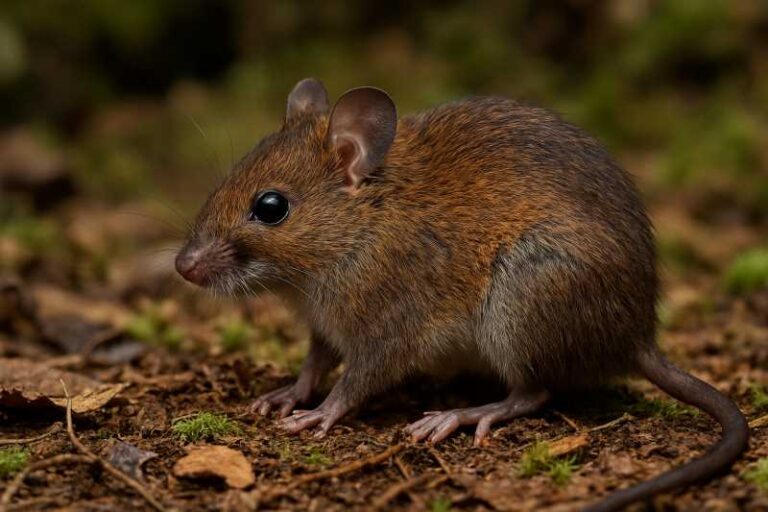
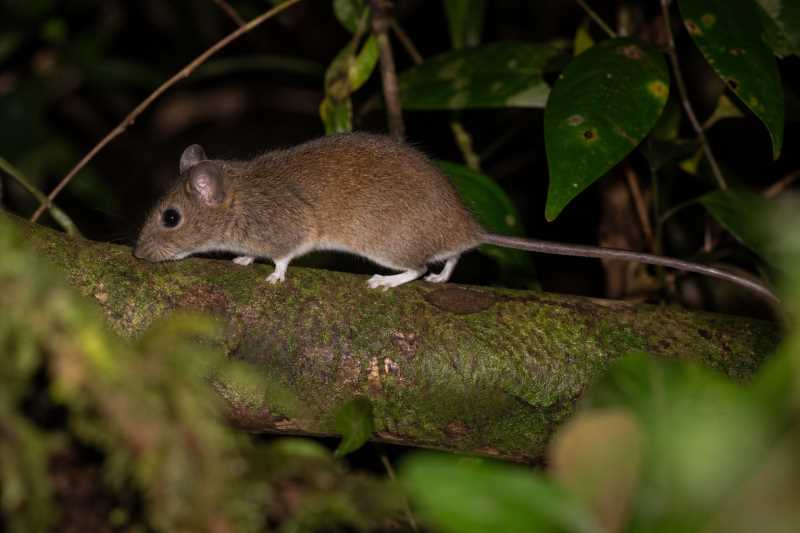
The Atlantic Forest Rice Rat is a medium-sized rodent with a distinctive appearance. Adults typically measure between 15 to 20 centimeters in body length, with a tail that is often equal to or slightly longer than the body. The fur is generally dense and soft, with a color palette that ranges from brownish-gray on the dorsal side to a lighter gray or white on the ventral side. One of the notable features of this species is its large, rounded ears, which aid in acute hearing—a vital sense for survival in the dense forest environment.
The eyes of the Atlantic Forest Rice Rat are relatively large and adapted for low-light conditions, reflecting their nocturnal lifestyle. The whiskers are long and sensitive, providing tactile feedback as the rat navigates through its habitat. The feet are adapted for climbing and digging, with sharp claws that help the rat to grasp and manipulate objects as well as to burrow.
Range and Habitat
Hylaeamys seuanezi is endemic to the Atlantic Forest biome, which stretches along the eastern coast of Brazil. This biome is one of the most diverse and endangered ecosystems in the world, characterized by its high humidity, dense vegetation, and rich biodiversity. The Atlantic Forest Rice Rat is primarily found in lowland and montane forest areas but can also inhabit secondary forests and disturbed areas, showcasing its adaptability.
The distribution of the Atlantic Forest Rice Rat is influenced by the availability of food resources and shelter. This species thrives in areas with abundant ground cover, which provides protection from predators and harsh environmental conditions. The complex structure of the forest floor, with its layers of leaf litter, fallen branches, and understory vegetation, offers an ideal habitat for foraging and nesting.
Behavior and Diet
The Atlantic Forest Rice Rat is chiefly nocturnal, spending most of its active hours foraging for food during the night. It is an omnivorous species with a diet that includes seeds, fruits, insects, and small invertebrates. This dietary flexibility allows the rat to exploit various food sources, which is advantageous in the fluctuating environments of the Atlantic Forest.
Socially, the Atlantic Forest Rice Rat is generally solitary, though it may occasionally be seen in small family groups. The rat communicates using a combination of vocalizations, scent markings, and body language. Territorial in nature, individuals often establish and defend small home ranges, which they mark with scent to ward off intruders.
Identification Tips
Identifying the Atlantic Forest Rice Rat in the field requires careful observation. Here are some tips for recognizing this species:
- Size and Shape: Look for a medium-sized rodent with a long tail that is often equal to or longer than the body.
- Coloration: Note the brownish-gray dorsal fur and lighter ventral fur.
- Ears and Eyes: Large, rounded ears and relatively large eyes are distinctive features.
- Behavior: Active at night, often foraging on the ground or in low vegetation.
- Habitat: Found in dense, humid forests with ample ground cover.
Conservation Status
The Atlantic Forest Rice Rat faces numerous threats, primarily due to habitat loss and fragmentation caused by deforestation, agriculture, and urban development. The Atlantic Forest has been reduced to a fraction of its original size, putting immense pressure on its native species, including Hylaeamys seuanezi.
Currently, the conservation status of the Atlantic Forest Rice Rat is not well-documented, primarily due to its elusive nature and the lack of comprehensive studies. However, it is likely experiencing population declines in line with the overall degradation of its habitat.
Various conservation efforts are underway to protect the remaining fragments of the Atlantic Forest, including the establishment of protected areas and reforestation projects. These efforts aim to preserve biodiversity and provide a sustainable environment for the Atlantic Forest Rice Rat and other native species.
Frequently Asked Questions
1. What is the diet of the Atlantic Forest Rice Rat?
The Atlantic Forest Rice Rat is omnivorous, feeding on a variety of seeds, fruits, insects, and small invertebrates. This diverse diet allows it to adapt to different food availabilities within its forest habitat.
2. Where can the Atlantic Forest Rice Rat be found?
This species is endemic to the Atlantic Forest of eastern Brazil, thriving in lowland and montane forests, as well as in secondary forests and disturbed areas.
3. How does the Atlantic Forest Rice Rat avoid predators?
The rat uses its acute senses, including sharp hearing and nocturnal vision, to detect and evade predators. Its preference for dense ground cover and its nocturnal lifestyle also provide protection.
4. What are the main threats to the Atlantic Forest Rice Rat?
The primary threats include habitat loss due to deforestation, agriculture, and urban development, which have significantly reduced and fragmented the Atlantic Forest.
5. How can we help conserve the Atlantic Forest Rice Rat?
Supporting conservation efforts aimed at protecting and restoring the Atlantic Forest, such as reforestation projects and the establishment of protected areas, can help preserve the habitat of the Atlantic Forest Rice Rat.
Related posts