Baron’s Rice Rat (Aegialomys baroni): A Comprehensive Guide
Introduction
Baron’s Rice Rat, scientifically known as Aegialomys baroni, is a fascinating yet lesser-known species of rodent belonging to the Cricetidae family. These mammals are primarily found in South America and are an integral component of their ecosystem. Understanding the biology, habitat, and conservation status of Baron’s Rice Rat is crucial for preserving biodiversity and maintaining ecological balance.
Physical Description
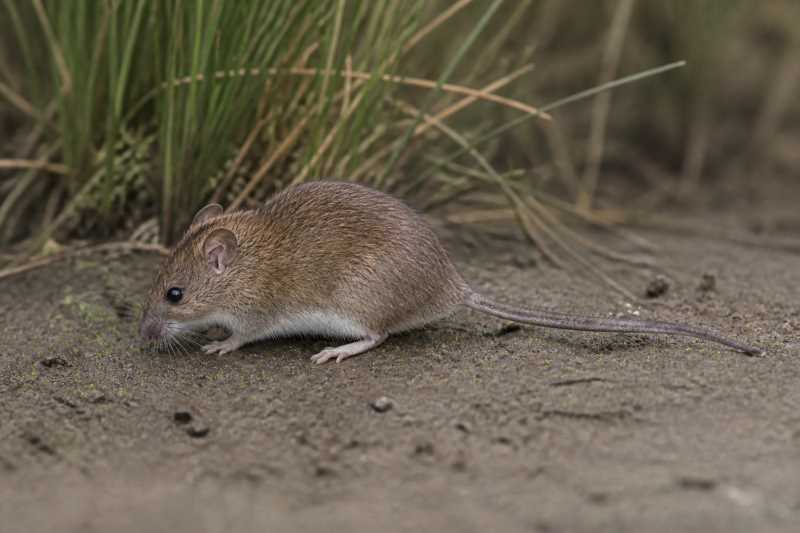
Baron’s Rice Rat is a medium-sized rodent characterized by its distinct physical features. These rats typically measure between 15 to 20 centimeters in body length, with a tail extending an additional 12 to 18 centimeters. Their fur is usually a blend of brown and gray, providing effective camouflage against the forest floor. A notable feature of Baron’s Rice Rat is its long whiskers, which aid in navigation and sensing the environment.
The ears of Baron’s Rice Rat are relatively small and rounded, while their eyes are adapted to low-light conditions, reflecting their nocturnal habits. Their sharp incisors are prominent, allowing them to gnaw through hard materials, which is essential for both feeding and creating burrows.
Range and Habitat
Baron’s Rice Rat is endemic to the coastal and Andean regions of Ecuador and northern Peru. They inhabit a variety of environments ranging from tropical rainforests to montane forests. These rodents are particularly adaptable, capable of thriving in both humid and dry habitats.
Their preference for dense vegetation provides them with ample cover from predators and facilitates easy access to food resources. Baron’s Rice Rats are often found in areas with abundant water sources, as these environments support their dietary needs and provide ideal nesting sites.
Behavior and Diet
Baron’s Rice Rats are primarily nocturnal, meaning they are most active during the night. This behavior helps them avoid many predators and the heat of the day. They are solitary creatures, with each individual maintaining its own territory.
The diet of Baron’s Rice Rat is omnivorous, consisting of seeds, fruits, insects, and small invertebrates. This diverse diet allows them to adapt to various environmental conditions and food availability. During the wet season, when food is plentiful, they tend to consume more plant-based materials, while in the dry season, they rely more on animal prey.
Identification Tips
Identifying Baron’s Rice Rat in the field can be challenging due to their elusive nature and nocturnal habits. However, several key features can aid in their recognition:
- Size and Shape: Look for a medium-sized rodent with a long tail and compact body.
- Fur Color: Observe the brown and gray coloration that blends with the forest floor.
- Whiskers: Note the long, sensitive whiskers.
- Behavior: Look for nocturnal activity and solitary behavior.
- Tracks and Signs: Search for small tracks and droppings near water sources and dense vegetation.
Conservation Status
The conservation status of Baron’s Rice Rat is currently classified as "Least Concern" by the International Union for Conservation of Nature (IUCN). Despite this classification, these rodents face several threats that could impact their populations in the future.
Threats
The primary threats to Baron’s Rice Rat include habitat loss due to deforestation, agricultural expansion, and urbanization. These activities reduce the availability of suitable habitats and resources. Additionally, climate change poses a long-term threat by altering their natural habitats and food availability.
Protections
Conservation efforts for Baron’s Rice Rat focus on habitat preservation and restoration. Protected areas in Ecuador and Peru play a crucial role in safeguarding their populations. Environmental organizations are also engaged in reforestation projects and sustainable land-use practices to mitigate human impact.
Frequently Asked Questions
1. What is the habitat range of Baron’s Rice Rat?
Baron’s Rice Rat is found in the coastal and Andean regions of Ecuador and northern Peru, inhabiting tropical and montane forests.
2. What does Baron’s Rice Rat eat?
Baron’s Rice Rat has an omnivorous diet, feeding on seeds, fruits, insects, and small invertebrates, adapting to seasonal food availability.
3. How does Baron’s Rice Rat avoid predators?
Being nocturnal, Baron’s Rice Rat is active at night, helping it avoid many predators. Its brown and gray fur also provides effective camouflage.
4. What threats do Baron’s Rice Rats face?
The main threats include habitat loss from deforestation, agricultural activities, urbanization, and the potential impacts of climate change.
5. How can we help conserve Baron’s Rice Rat?
Supporting habitat preservation efforts, reforestation projects, and sustainable land-use practices are key to conserving Baron’s Rice Rat populations.
Related posts