Bogotá Grass Mouse (Neomicroxus bogotensis): A Comprehensive Guide
Introduction
The Bogotá Grass Mouse (Neomicroxus bogotensis) is an intriguing species of rodent endemic to the mountainous regions of Colombia. Known for its elusive nature and adaptability to high-altitude environments, this small mammal plays a crucial role in the ecosystem. As a member of the Cricetidae family, the Bogotá Grass Mouse is an integral part of the biodiversity in the Andean regions. This article delves into the physical characteristics, habitat preferences, behaviors, and conservation efforts associated with this unique species.
Physical Description
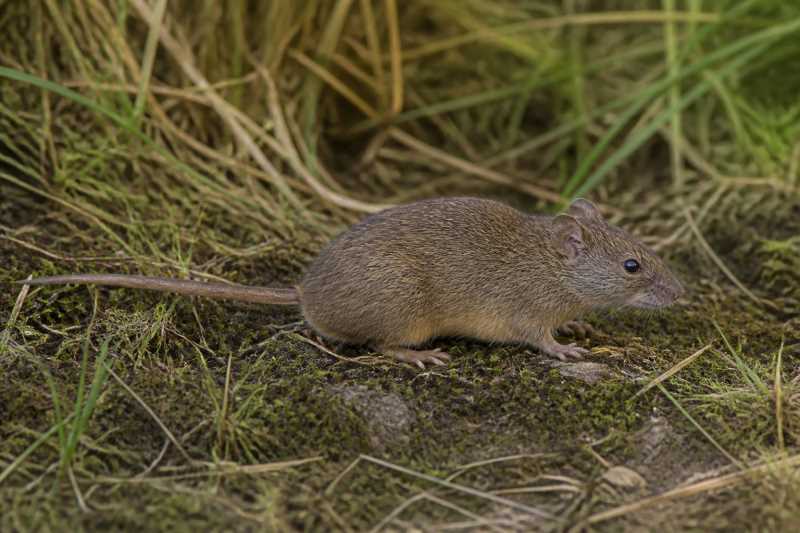
The Bogotá Grass Mouse is a small rodent characterized by its compact body, which measures approximately 8 to 12 cm in length, excluding the tail. The tail itself can add an additional 6 to 10 cm, aiding in balance and agility. The fur is dense and soft, providing insulation against the chilly highland temperatures. Typically, the dorsal side exhibits a mottled brown coloration, which serves as camouflage against the earthy tones of its habitat. The ventral side is usually lighter, often displaying a whitish or grayish hue.
The species possesses a pointed snout and large, round ears, which are adept at detecting predators. The Bogotá Grass Mouse’s eyes are relatively small but well-suited for its nocturnal lifestyle. Its whiskers are long and sensitive, helping it navigate through dense vegetation. The limbs are short yet strong, with claws adapted for digging and foraging.
Range and Habitat
The Bogotá Grass Mouse is primarily found in the central Andes of Colombia, particularly around the Bogotá region, from which it derives its name. It inhabits altitudes ranging from 2,500 to 3,500 meters above sea level. This mouse prefers grasslands and páramo ecosystems, which are characterized by their unique plant life and moist conditions.
The páramo is a neotropical alpine tundra ecosystem, and it provides a diverse array of flora and fauna. The Bogotá Grass Mouse thrives in this habitat, taking advantage of the abundance of grasses and shrubs for food and shelter. The dense vegetation offers protection from predators and harsh weather, while the varied plant life supplies ample foraging opportunities.
Behavior and Diet
The Bogotá Grass Mouse is primarily nocturnal, venturing out during the night to forage for food. Its diet consists mainly of seeds, grasses, and small insects, making it an omnivore. This diverse diet allows the species to adapt to the fluctuating availability of resources in its high-altitude habitat.
Socially, the Bogotá Grass Mouse is relatively solitary, although it may form small, loose-knit groups during the breeding season. Communication is facilitated through vocalizations and scent markings, which help individuals delineate their territories and avoid conflicts.
Breeding occurs once or twice a year, with females giving birth to litters of up to six young. The young are born blind and hairless, dependent on the mother for nourishment and protection. As they mature, they quickly learn to fend for themselves, mastering the art of foraging and evading predators.
Identification Tips
Field recognition of the Bogotá Grass Mouse can be challenging due to its elusive nature and the similarity to other rodent species in the region. However, there are several cues that can aid in identification:
- Size and Shape: Look for a small rodent with a body length of 8 to 12 cm and a tail of 6 to 10 cm.
- Coloration: Note the mottled brown dorsal fur and lighter ventral side.
- Habitat: Found in high-altitude grasslands and páramo regions.
- Activity Time: Primarily nocturnal behavior can help differentiate it from similar species that might be active during the day.
- Tracks and Signs: Look for small tracks and scat in suitable habitats during field surveys.
Conservation Status
The Bogotá Grass Mouse is currently classified as "Least Concern" by the IUCN Red List, owing to its relatively stable population and wide distribution within its specific range. However, the species faces several threats that could impact its long-term survival.
Threats
- Habitat Destruction: Agricultural expansion, urban development, and land conversion pose significant threats to its habitat.
- Climate Change: Alterations in weather patterns and temperatures can affect the delicate balance of the páramo ecosystem.
- Predation: Natural predators, as well as introduced species, can impact population numbers.
Protections
Conservation efforts are focused on habitat preservation and restoration. Protected areas and national parks play a vital role in safeguarding the ecosystems where the Bogotá Grass Mouse resides. Ongoing research and monitoring are essential to understanding the species’ ecology and mitigating potential threats.
Frequently Asked Questions
What is the habitat of the Bogotá Grass Mouse?
The Bogotá Grass Mouse inhabits high-altitude grasslands and páramo ecosystems in the Andes of Colombia, thriving in environments with dense vegetation and moist conditions.
Is the Bogotá Grass Mouse endangered?
Currently, the Bogotá Grass Mouse is classified as "Least Concern" by the IUCN, though it faces threats from habitat destruction and climate change.
How can I identify a Bogotá Grass Mouse in the wild?
Look for a small rodent with mottled brown dorsal fur and a lighter underside, typically found in high-altitude grassland and páramo regions. Its nocturnal behavior and physical characteristics, such as a pointed snout and large ears, are key identification features.
What does the Bogotá Grass Mouse eat?
The Bogotá Grass Mouse is an omnivore, feeding on seeds, grasses, and small insects. Its diet varies with the availability of food resources in its habitat.
Why is the Bogotá Grass Mouse important to its ecosystem?
As a part of the food web, the Bogotá Grass Mouse helps control insect populations and disperses seeds, contributing to the health and diversity of its ecosystem.
Related posts