Introduction
Radde’s Golden Hamster, scientifically known as Mesocricetus raddei, is a captivating rodent species belonging to the family Cricetidae. This species is native to parts of Asia and has garnered interest from both scientific communities and pet enthusiasts. Despite its close resemblance to the more commonly known Syrian hamster, Radde’s Golden Hamster boasts distinct characteristics that set it apart. In this comprehensive article, we will delve into various aspects of Radde’s Golden Hamster, including its physical description, natural habitat, behavior, and conservation status.
Physical Description
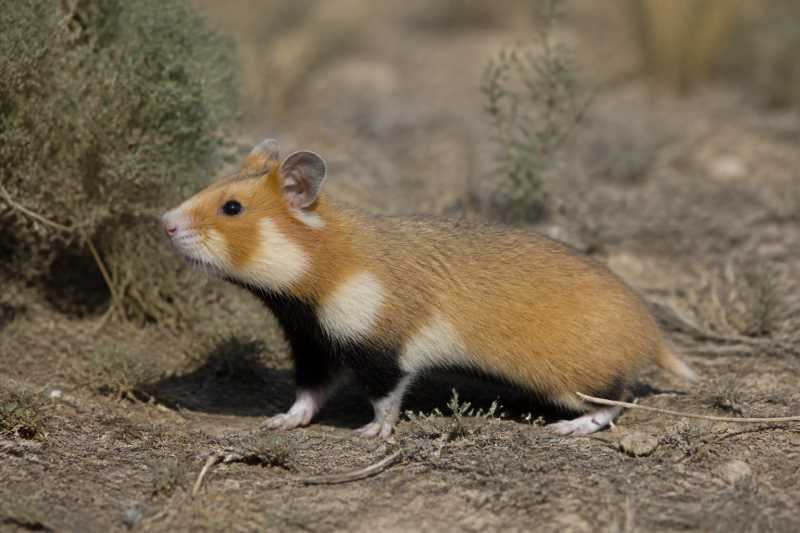
Radde’s Golden Hamster is a medium-sized rodent with a robust body structure. Typically, adults measure between 15 to 18 centimeters in length, excluding the tail, which is relatively short. The average weight ranges from 100 to 200 grams. The fur of Radde’s Golden Hamster is predominantly golden or sandy brown, with a lighter underbelly, giving it the classic "golden" appearance.
The species exhibits sexual dimorphism, with females being slightly larger than males. Their short, broad heads are adorned with small ears and large black eyes, which are well-suited for their nocturnal lifestyle. Notably, Radde’s Golden Hamster has pronounced cheek pouches, which are used for storing and transporting food. These pouches can extend back to the shoulder region, allowing the hamster to carry a substantial amount of food at once.
Range and Habitat
Radde’s Golden Hamster is primarily found in the mountainous regions of Armenia, Turkey, and parts of Iran. These rodents prefer habitats that offer a blend of open fields and rocky terrains, which provide both foraging opportunities and shelter. They are known to inhabit altitudes ranging from lowland areas to elevations of up to 2,000 meters.
Their burrows are typically located in well-drained soils and consist of complex networks of tunnels and chambers. These burrows serve as nests, food storage, and protection from predators and harsh weather conditions. Radde’s Golden Hamster is a solitary animal, with each individual maintaining its own territory.
Behavior and Diet
Radde’s Golden Hamster is predominantly nocturnal, emerging from its burrow at dusk to forage for food. The diet of this omnivorous rodent is diverse, including seeds, nuts, fruits, insects, and green vegetation. In preparation for winter, they exhibit food hoarding behavior, storing excess food in their burrows to ensure a steady supply during colder months when resources are scarce.
Social interactions are minimal, as this species is solitary by nature. Males and females come together only briefly for mating purposes. Communication between individuals occurs through scent marking and vocalizations, though encounters outside of mating are rare.
Identification Tips (Field Recognition Cues)
Field identification of Radde’s Golden Hamster can be challenging due to its elusive nature and nocturnal habits. However, there are several cues that can aid in recognition:
- Size and Color: Look for a medium-sized rodent with golden or sandy brown fur and a lighter underbelly.
- Cheek Pouches: Notice the prominent cheek pouches, which are a key distinguishing feature.
- Habitat: Identify environments with open fields and rocky terrains, particularly in mountainous regions.
- Burrow Entrances: Spot small, round burrow entrances, often surrounded by scattered food remnants.
Conservation Status (With Threats and Protections)
Radde’s Golden Hamster is currently listed as "Least Concern" by the International Union for Conservation of Nature (IUCN). However, like many species, it faces potential threats that could impact its population in the future. Habitat destruction due to agricultural expansion and urbanization poses significant challenges, as it reduces the available natural habitat for these rodents.
Protection measures for Radde’s Golden Hamster are not extensive but include habitat preservation efforts and legal protections in some regions. Continued research and monitoring are essential to ensure that population levels remain stable and that the species does not face more severe threats in the future.
Frequently Asked Questions
Why is this species unique?
Radde’s Golden Hamster is unique due to its specific habitat preferences and solitary nature. Unlike the more social Syrian hamster, Radde’s Golden Hamster leads a predominantly solitary life, which is reflected in its territorial behavior and limited social interactions.
How does Radde’s Golden Hamster adapt to its environment?
This species exhibits several adaptations that enhance its survival in mountainous regions. Its burrowing behavior provides protection from predators and extreme weather, while its cheek pouches allow it to transport large quantities of food, supporting its food hoarding strategy.
What are the main threats to Radde’s Golden Hamster?
The primary threats include habitat destruction due to human activities such as agriculture and urban development. These activities reduce the natural habitats available for the species, potentially leading to population decline if not managed properly.
Is Radde’s Golden Hamster a good pet?
While Radde’s Golden Hamster is not as commonly kept as a pet compared to other hamster species, it can be a suitable pet for experienced hamster owners. It requires a habitat that mimics its natural environment and attention to its solitary and nocturnal nature to ensure its well-being.
What measures are in place to protect Radde’s Golden Hamster?
Protection measures include habitat preservation and legal protections in some regions. Ongoing research and monitoring of population trends are crucial to maintain the current conservation status and address potential threats.
Related posts