Beringian Brown Lemming (Lemmus nigripes)
Introduction
The Beringian Brown Lemming, scientifically known as Lemmus nigripes, is a fascinating small mammal belonging to the family Cricetidae. This species is an integral component of the Arctic and sub-Arctic ecosystems, playing a crucial role in the food chain as both prey and ecosystem engineer. Despite its diminutive size, the Beringian Brown Lemming’s influence on its habitat is significant, from influencing vegetation dynamics to supporting a diverse range of predators. This article delves into various aspects of the Beringian Brown Lemming, including its physical characteristics, habitat, behavior, and conservation status.
Physical Description
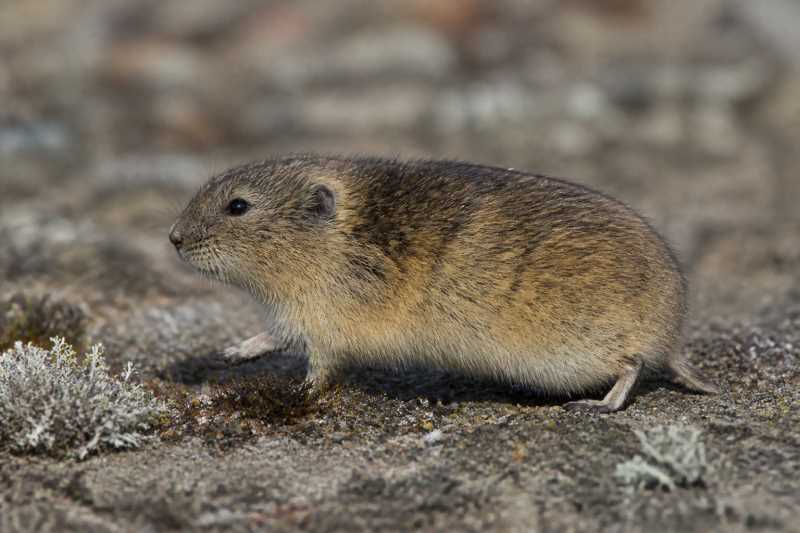
The Beringian Brown Lemming is a small rodent, typically measuring between 10 and 15 centimeters in length, with a weight ranging from 30 to 70 grams. Its fur is predominantly brown, providing effective camouflage against the tundra landscape. This species exhibits a distinctive dark dorsal stripe extending from its head to tail, which may help in species identification. The lemming’s fur is dense and soft, offering insulation against the harsh Arctic temperatures. In terms of morphology, it has short legs, a stubby tail, and small, rounded ears that reduce heat loss. Its incisors are well-developed, adapted to gnawing plant material, which constitutes the bulk of its diet.
Range and Habitat
The Beringian Brown Lemming inhabits the Beringia region, which encompasses parts of eastern Siberia, Alaska, and the Yukon. This region is characterized by tundra and boreal forest ecosystems, where the lemming finds suitable conditions for survival. Within these habitats, it prefers areas with thick vegetation cover, such as mosses, sedges, and grasses, which provide both food and shelter. The Beringian Brown Lemming is adept at living in harsh climates, often burrowing into the snow during winter months to create insulated nests. This behavior not only helps them survive extreme cold but also influences the distribution of nutrients within the soil by their burrowing activities.
Behavior and Diet
The Beringian Brown Lemming is primarily a herbivorous creature, with a diet consisting largely of grasses, sedges, and mosses. During the summer months, they are known to exploit the lush growth of tundra vegetation, storing food in their burrows for the less bountiful winter months. Their feeding habits significantly impact the plant communities they inhabit, often leading to cyclical population booms and busts, which can cause noticeable changes in vegetation cover.
Behaviorally, Beringian Brown Lemmings are known for their high reproductive rates, with females capable of producing several litters per year, each containing multiple offspring. This rapid reproduction is crucial for their survival, as they form the primary prey base for many arctic predators, including owls, foxes, and weasels. Lemmings are generally solitary animals, except during the breeding season, when they engage in communal nesting to rear their young.
Identification Tips (Field Recognition Cues)
Identifying the Beringian Brown Lemming in the wild requires keen observation and understanding of its distinctive features:
- Fur Coloration: Look for brown fur with a distinctive dark dorsal stripe.
- Size and Shape: Notice the small, stocky body with short legs and a stubby tail.
- Behavior: Observe their burrowing and feeding patterns, particularly in areas with dense grass cover.
- Habitat: Focus on tundra regions with abundant vegetation, especially during summer.
Conservation Status (With Threats and Protections)
The Beringian Brown Lemming is currently classified as a species of Least Concern by the IUCN Red List. However, its population is subject to natural fluctuations due to its high reproductive rate and predation pressure. While there are no immediate threats to the species, climate change poses a potential risk by altering its habitat and affecting the availability of food resources.
Conservation efforts for the Beringian Brown Lemming focus on habitat preservation, particularly in the face of global warming. Protecting the tundra ecosystems and maintaining the ecological balance is crucial for the survival of this species. Additionally, ongoing research and monitoring of population dynamics help in understanding the broader ecological impacts of lemmings within their environment.
Frequently Asked Questions
1. What do Beringian Brown Lemmings eat?
Beringian Brown Lemmings primarily feed on tundra vegetation, including grasses, sedges, and mosses. Their herbivorous diet is crucial for maintaining the balance of the tundra ecosystem, as they influence plant community dynamics and nutrient cycling.
2. How do Beringian Brown Lemmings survive in the Arctic climate?
These lemmings have adapted to the harsh Arctic climate through several strategies. They have dense fur for insulation, create burrows for shelter, and store food for the winter months. Their high reproductive rates also help ensure population survival despite predation.
3. What role do Beringian Brown Lemmings play in the ecosystem?
As a keystone species, Beringian Brown Lemmings play a vital role in the Arctic ecosystem. They serve as a primary food source for many predators and influence vegetation patterns through their feeding activities, which can lead to significant ecological changes.
Related posts