Introduction
The Sikkim Mountain Vole, scientifically known as Neodon sikimensis, is a small mammal species belonging to the family Cricetidae. This elusive vole is predominantly found in the mountainous regions of the Indian subcontinent, particularly in the state of Sikkim. As a lesser-known species, the Sikkim Mountain Vole plays a crucial role in its ecosystem, contributing to soil aeration and serving as prey for various predators. This article aims to provide a comprehensive overview of the Sikkim Mountain Vole, from its physical characteristics to its behavior, habitat, and conservation status.
Physical Description
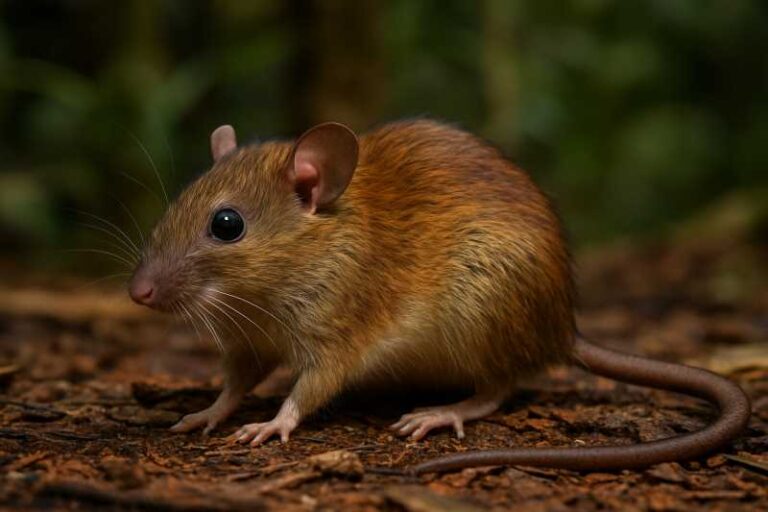
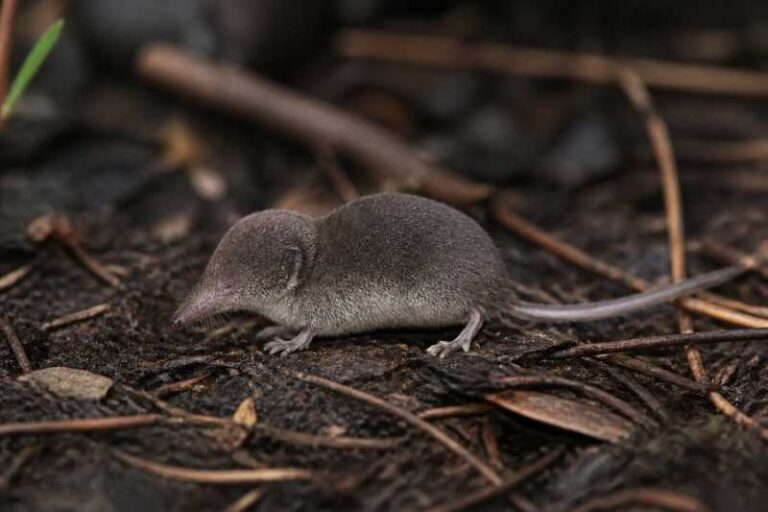
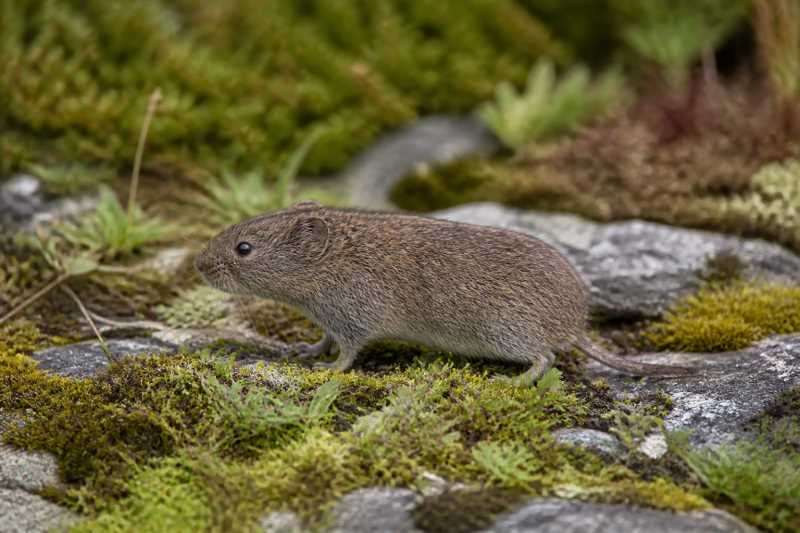
The Sikkim Mountain Vole is a small rodent characterized by its compact body and short limbs. Adult voles typically measure around 10 to 15 centimeters in length, with a tail that adds an additional 3 to 5 centimeters. Their fur is dense and soft, providing insulation against the cold climates of their mountainous habitat. The fur coloration is generally a mixture of brown and gray, allowing them to blend seamlessly into their rocky environment. The underbelly is usually lighter, often exhibiting a grayish-white hue.
These voles possess small, rounded ears that are partially hidden by their fur, a feature that helps to minimize heat loss. Their eyes are relatively small, yet they provide adequate vision for their nocturnal activities. The Sikkim Mountain Vole’s incisors are sharp and ever-growing, perfectly adapted for gnawing on tough vegetation and roots that compose their diet.
Range and Habitat
The Sikkim Mountain Vole is endemic to the Himalayan regions, with its range primarily confined to the state of Sikkim in India. This species thrives in alpine and subalpine zones, typically at elevations ranging from 2,500 to 5,000 meters. Such altitudes offer a unique environment characterized by rocky terrains, sparse vegetation, and low temperatures.
These voles are well adapted to living in various habitats within this range, including grasslands, shrublands, and meadows. They are often found in areas with abundant ground cover, which provides protection from predators. The burrowing nature of the Sikkim Mountain Vole allows it to create complex underground networks, which serve as shelter and storage for food reserves.
Behavior and Diet
The Sikkim Mountain Vole is primarily nocturnal, with most of its activity occurring during the night. This behavior reduces its exposure to predators and the harsh daytime temperatures of its high-altitude habitat. These voles are known for their burrowing activities, creating intricate tunnel systems that can extend several meters underground. These burrows not only offer protection but also serve as a means to escape the cold surface temperatures.
Dietarily, the Sikkim Mountain Vole is herbivorous, primarily consuming grasses, roots, seeds, and other plant materials. The availability of food sources can vary with the seasons, prompting these voles to store food in their burrows to survive harsh winters. Their diet plays a pivotal role in maintaining the balance of their ecosystem, as they help in seed dispersal and soil aeration.
Identification Tips (Field Recognition Cues)
Identifying the Sikkim Mountain Vole in the field involves recognizing several key features:
- Size and Shape: Look for a small rodent with a compact, robust body and short legs.
- Fur Texture and Color: Their dense, soft fur is typically a mix of brown and gray, with a lighter underbelly.
- Tail Length: The tail is relatively short, usually about a third of the body length.
- Ears and Eyes: The ears are small and rounded, often concealed by fur, while the eyes are small but noticeable.
- Burrow Presence: Look for signs of burrowing activity, as these voles create extensive underground networks.
Conservation Status (With Threats and Protections)
As of the latest assessments, the Sikkim Mountain Vole is listed as Least Concern by the International Union for Conservation of Nature (IUCN). However, this does not imply that the species faces no threats. Habitat destruction, primarily due to human activities such as agriculture and infrastructure development, poses a significant risk to their populations.
Climate change also presents a looming threat, as shifting weather patterns can alter their high-altitude habitats. Conservation efforts are essential to ensure the long-term survival of the Sikkim Mountain Vole. Protective measures include the establishment of protected areas in their natural range and promoting sustainable land-use practices.
Frequently Asked Questions
What is the natural habitat of the Sikkim Mountain Vole?
The Sikkim Mountain Vole is native to the high-altitude regions of Sikkim, India, thriving in alpine and subalpine zones characterized by rocky terrains and sparse vegetation.
How can you identify a Sikkim Mountain Vole in the wild?
Key identification features include a compact body, dense brown and gray fur, a short tail, small rounded ears, and signs of burrowing activity.
What threats do Sikkim Mountain Voles face?
The primary threats include habitat destruction due to human activities and climate change, which can alter their high-altitude habitats.
Are Sikkim Mountain Voles endangered?
Currently, the Sikkim Mountain Vole is classified as Least Concern by the IUCN, but conservation efforts are necessary to address potential threats.
What do Sikkim Mountain Voles eat?
Their diet primarily consists of grasses, roots, seeds, and other plant materials, which they often store in their burrows for winter months.
Related posts