Introduction
Cleber’s Arboreal Rice Rat, scientifically known as Oecomys cleberi, is a fascinating rodent species belonging to the family Cricetidae. This small, nocturnal mammal is primarily known for its arboreal lifestyle, making it a unique subject of study for ecologists and wildlife enthusiasts. This article delves into the various aspects of Cleber’s Arboreal Rice Rat, including its physical characteristics, habitat preferences, behaviors, and conservation status.
The species was named in honor of Cleber J. R. Alho, a Brazilian ecologist who made significant contributions to the understanding of South American wildlife. Cleber’s Arboreal Rice Rat is not only an integral part of its ecosystem but also an indicator of forest health, making its study crucial for conservation efforts.
Physical Description
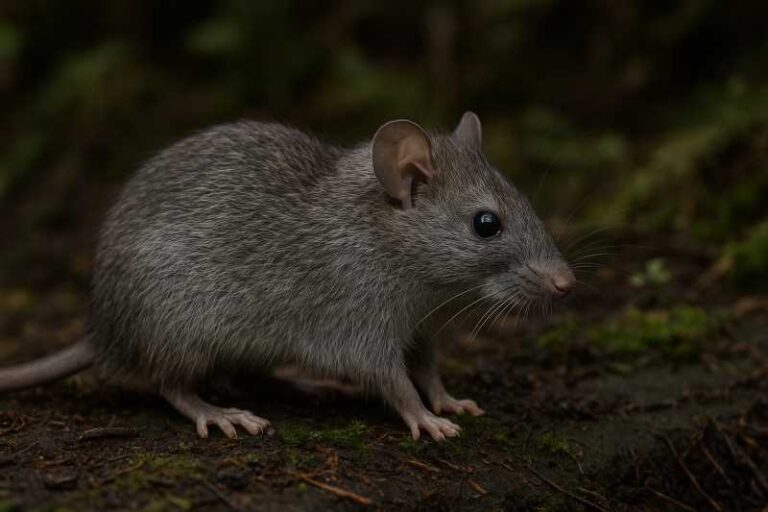
Cleber’s Arboreal Rice Rat is a small-sized rodent, with adults typically weighing between 30 to 50 grams. Their body length ranges from 10 to 15 centimeters, with a tail that often exceeds their body length, adding another 12 to 20 centimeters. This long tail is prehensile, aiding in balance and navigation through the treetops.
The pelage of Oecomys cleberi is soft and dense, usually exhibiting a reddish-brown color on the dorsal side, which provides excellent camouflage in the tree canopy. The ventral side is lighter, often white or cream, which helps in temperature regulation. Their large, dark eyes are adapted for nocturnal vision, and their small, rounded ears are sensitive to faint sounds, aiding in predator detection and communication.
Range and Habitat
Cleber’s Arboreal Rice Rat is native to the tropical and subtropical forests of South America. Its range primarily includes regions in Brazil, particularly within the Amazon Basin, where the dense tree cover provides an ideal environment for their arboreal lifestyle.
These rodents prefer the upper canopy of primary and secondary forests, where they build nests from leaves and other plant materials. The availability of food sources and the relative safety from ground-dwelling predators make these areas particularly attractive. However, they can sometimes be found in degraded forest areas, showcasing their adaptability to changing environments.
Behavior and Diet
As nocturnal creatures, Cleber’s Arboreal Rice Rats are most active during the night. They exhibit excellent climbing abilities, thanks to their prehensile tails and strong limbs, which allow them to move effortlessly between branches in search of food.
Their diet is omnivorous, comprising a variety of fruits, seeds, and insects. This varied diet not only fulfills their nutritional needs but also plays a role in seed dispersal, which is crucial for forest regeneration. They are known to be solitary animals, coming together only during the breeding season, which occurs throughout the year due to the stable tropical climate.
Identification Tips (field recognition cues)
Identifying Cleber’s Arboreal Rice Rat in the wild can be challenging due to their nocturnal and arboreal habits. However, there are several cues that can aid in their recognition:
- Tail Length and Use: Look for a long, prehensile tail that is often used to stabilize movement in the trees.
- Coloration: Note the reddish-brown dorsal fur and lighter ventral side, which can be a key distinguishing feature.
- Eyes and Ears: Large, dark eyes and small, rounded ears are distinctive features when seen up close.
- Nesting Behavior: Look for nests made of leaves high in the trees, a common sign of their presence.
Conservation Status (with threats and protections)
Currently, the conservation status of Cleber’s Arboreal Rice Rat is not well-documented due to a lack of comprehensive studies. However, like many forest-dwelling species, they are potentially threatened by habitat destruction and fragmentation, primarily due to deforestation and agricultural expansion.
Efforts to protect their natural habitat are crucial, as these rodents rely heavily on forest ecosystems for survival. Conservation strategies that focus on preserving large tracts of continuous forest, along with promoting sustainable land-use practices, are essential to ensure the long-term survival of Oecomys cleberi.
Frequently Asked Questions
What adaptations do Cleber’s Arboreal Rice Rats have for an arboreal lifestyle?
Cleber’s Arboreal Rice Rats have several adaptations for living in trees, including a prehensile tail for balance, strong limbs for climbing, and sharp claws for gripping bark.
How does the diet of Cleber’s Arboreal Rice Rat affect its ecosystem?
Their omnivorous diet aids in seed dispersal and pest control, helping maintain ecological balance and supporting forest regeneration.
Are Cleber’s Arboreal Rice Rats endangered?
The current conservation status is unclear, but they face threats from habitat destruction. Protective measures are needed to ensure their survival.
Where can Cleber’s Arboreal Rice Rat be found?
They are primarily found in the Amazon Basin, inhabiting tropical and subtropical forests in Brazil.
What role do Cleber’s Arboreal Rice Rats play in their ecosystem?
They serve as seed dispersers and prey for larger predators, playing a vital role in the food web and aiding in forest health.
Related posts