Introduction
Zenkerella (Zenkerella insignis) is one of the most mysterious and elusive mammals in the world, captivating scientists and enthusiasts alike with its enigmatic presence. Commonly known as the ‘zenkerella,’ this species belongs to the family Anomaluridae, which includes scaly-tailed squirrels. Despite being discovered over a century ago, Zenkerella remains one of the least understood mammals due to its elusive nature and the dense forests it inhabits. This article delves into the intriguing world of Zenkerella, exploring its physical characteristics, habitat, behavior, and conservation status, among other aspects.
Physical Description
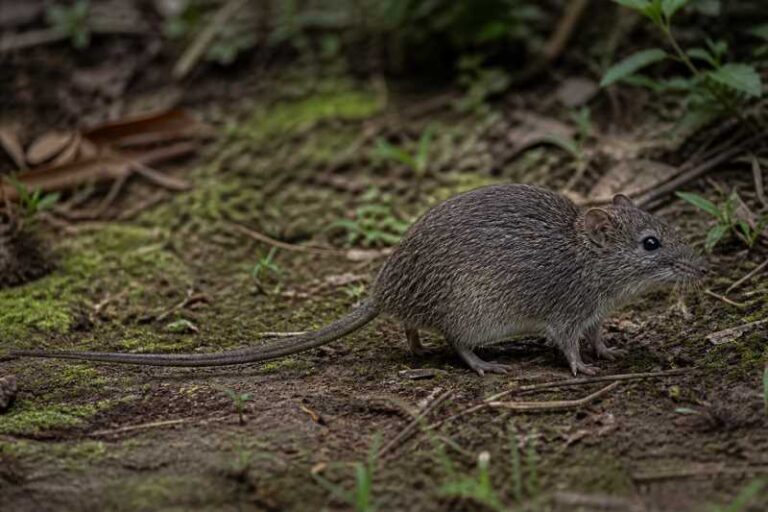
Zenkerella is a small, squirrel-like rodent characterized by its unique physical attributes. It possesses a robust body covered in dense, soft fur which is typically greyish-brown in color. One of Zenkerella’s most distinguishing features is its large, bushy tail which is longer than its body and aids in balance and agility. Unlike its relatives, the gliding Anomaluridae, Zenkerella lacks the gliding membrane, making it an anomaly within its family.
Its head is adorned with a short, rounded muzzle and large, round eyes, which are well-adapted for its nocturnal lifestyle. The ears are relatively small and rounded, providing excellent auditory capabilities. Zenkerella’s limbs are short but muscular, equipped with strong, curved claws that are ideal for climbing and foraging.
Range and Habitat
Zenkerella is endemic to the dense tropical rainforests of Central and West Africa. Its range includes countries such as Cameroon, Gabon, the Republic of the Congo, and Equatorial Guinea. These forests offer a rich and diverse ecosystem, providing Zenkerella with ample food sources and shelter.
Zenkerella prefers primary and secondary lowland rainforests, where it dwells in the understory and canopy layers. The dense foliage and complex forest structure offer it protection from predators and an abundance of foraging opportunities. The species’ elusive nature and the challenging terrain of its habitat have made field studies and observations quite difficult, contributing to the mystery surrounding this species.
Behavior and Diet
Little is known about Zenkerella’s behavior due to its elusive nature and the inaccessibility of its habitat. However, it is believed to be a solitary and nocturnal creature, primarily active at night when it forages for food.
Zenkerella is an omnivore, with a diet consisting of fruits, nuts, insects, and possibly small vertebrates. Its strong, curved claws are used to climb trees and access its food sources. The species’ nocturnal activities and preference for the dense understory make it difficult to observe in the wild.
Identification Tips (Field Recognition Cues)
Identifying Zenkerella in the field can be challenging due to its rarity and elusive behavior. However, certain characteristics can aid in its recognition:
- Fur and Coloration: Look for a small, squirrel-like rodent with dense, greyish-brown fur.
- Tail: Notice its large, bushy tail, which is distinctive and longer than its body.
- Ears and Eyes: Small, rounded ears and large, round eyes are key features.
- Claws: Strong, curved claws are indicative of its climbing abilities.
- Habitat: Focus on primary and secondary lowland rainforests in Central and West Africa.
Conservation Status (with Threats and Protections)
Zenkerella is currently classified as "Data Deficient" by the International Union for Conservation of Nature (IUCN) due to the lack of comprehensive data on its population and distribution. Its elusive nature and the inaccessibility of its habitat have made it difficult for researchers to gather sufficient information.
The primary threats to Zenkerella include deforestation and habitat degradation caused by logging, agriculture, and infrastructure development. These activities lead to the fragmentation and loss of its natural habitat, posing significant risks to its survival.
Conservation efforts for Zenkerella are currently limited due to the lack of data. However, protecting large areas of its rainforest habitat and conducting further research to understand its ecology and behavior are crucial steps toward ensuring its survival.
Frequently Asked Questions
What is Zenkerella and where is it found?
Zenkerella (Zenkerella insignis) is a mysterious, squirrel-like rodent found in the tropical rainforests of Central and West Africa, including Cameroon, Gabon, and the Republic of the Congo.
How can Zenkerella be identified?
Zenkerella can be identified by its dense greyish-brown fur, large bushy tail, small round ears, large eyes, and strong curved claws. It is found in dense lowland rainforests.
Why is Zenkerella considered mysterious?
Zenkerella is considered mysterious due to its elusive nature, rarity, and the challenging terrain of its habitat, which have made it difficult for scientists to study and understand its behavior and ecology.
What are the main threats to Zenkerella’s survival?
The main threats to Zenkerella’s survival include deforestation and habitat degradation caused by logging, agriculture, and infrastructure development, leading to habitat fragmentation and loss.
What conservation efforts are in place for Zenkerella?
Conservation efforts for Zenkerella are limited due to a lack of data. Protecting its rainforest habitat and conducting further research are essential steps for its conservation.
Related posts