Washington Ground Squirrel (Urocitellus washingtoni): A Comprehensive Guide
Introduction
The Washington Ground Squirrel, scientifically known as Urocitellus washingtoni, is a fascinating mammal species native to the Pacific Northwest. Despite its name, this species inhabits regions beyond Washington State, gracing parts of Oregon with its presence. Known for its crucial ecological role as a burrower and seed disperser, the Washington Ground Squirrel is an integral part of its ecosystem. However, its existence is increasingly threatened by habitat loss and other anthropogenic factors. This article delves into the life of the Washington Ground Squirrel, exploring its physical characteristics, habitat, behavior, and conservation status.
Physical Description
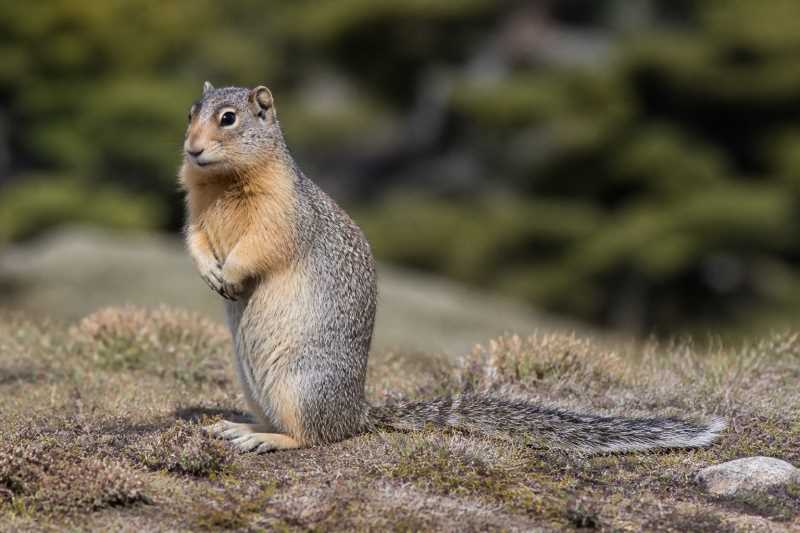
The Washington Ground Squirrel is a small rodent, typically measuring between 7.5 to 10 inches in length, with a tail that adds an additional 1.2 to 2.3 inches. Weighing in at around 5 to 9 ounces, this species is characterized by its compact body and relatively short tail. The fur of the Washington Ground Squirrel is primarily grayish-brown, speckled with white spots that provide excellent camouflage against the arid landscapes it inhabits. Its underbelly is lighter, often a pale gray or off-white. The squirrel’s eyes are large, giving it a keen sense of sight to spot predators.
Range and Habitat
The Washington Ground Squirrel is predominantly found in the Columbia Basin of Washington State and parts of north-central Oregon. This species prefers arid environments, thriving in areas with sandy soils and sparse vegetation. These conditions are ideal for the construction of their intricate burrow systems, which provide shelter from predators and harsh climate conditions. The ground squirrel’s habitat typically includes shrub-steppe ecosystems, characterized by sagebrush, bunchgrass, and other low shrubs. Agricultural developments and land conversions have significantly altered much of their native habitat, posing a threat to their survival.
Behavior and Diet
Washington Ground Squirrels are diurnal creatures, most active during the cooler parts of the day—early morning and late afternoon. They are highly social animals, often seen foraging in groups. Their diet primarily consists of green vegetation, seeds, and insects, which they forage in the spring and early summer. As the seasons change and food becomes scarce, they rely on the fat reserves built up during the abundant months. One of the most intriguing behaviors of the Washington Ground Squirrel is its ability to enter a state of torpor during extreme temperatures, especially during the hot summer months when food is less available.
Identification Tips
Identifying the Washington Ground Squirrel in the field involves noting several key characteristics:
- Size and Shape: Relatively small with a compact body and short tail.
- Coloration: Grayish-brown fur with white speckles; a lighter underbelly.
- Habitat: Look for them in sandy, arid environments with sparse vegetation.
- Behavior: Watch for groups foraging together during cooler parts of the day.
Listening for their distinctive calls can also aid in identification; they often emit a sharp, high-pitched whistle to alert other squirrels of potential danger.
Conservation Status
The Washington Ground Squirrel is currently classified as a species of concern, with its population declining due to multiple threats. Habitat destruction from agricultural expansion and urban development is the primary threat to their survival. Additionally, pesticide use in farming can reduce their food supply and directly harm the squirrels. Conservation efforts are crucial for the survival of this species, focusing on habitat protection, restoration, and creating corridors to connect fragmented populations. Legal protections and habitat conservation plans are vital tools in safeguarding the future of the Washington Ground Squirrel.
Frequently Asked Questions
What is the best time to see Washington Ground Squirrels in the wild?
The optimal time to observe Washington Ground Squirrels is during their active months from March to June. They are most visible in the early morning and late afternoon when they are foraging for food.
How do Washington Ground Squirrels cope with extreme temperatures?
Washington Ground Squirrels enter a state of torpor during extreme heat or when food is scarce. This physiological state allows them to conserve energy by significantly reducing their metabolic rate.
What are the main threats to Washington Ground Squirrels?
The primary threats to Washington Ground Squirrels include habitat loss due to agricultural practices, urban development, and pesticide use, which can diminish their food sources and directly harm them.
How do Washington Ground Squirrels contribute to their ecosystem?
These ground squirrels play a significant ecological role by aerating the soil through their burrowing activities and acting as seed dispersers, which helps maintain the diversity of their habitat.
Are there conservation efforts in place to protect Washington Ground Squirrels?
Yes, various conservation efforts are underway, focusing on habitat preservation, restoration, and legal protections to mitigate the threats they face from habitat destruction and fragmentation.
Related posts