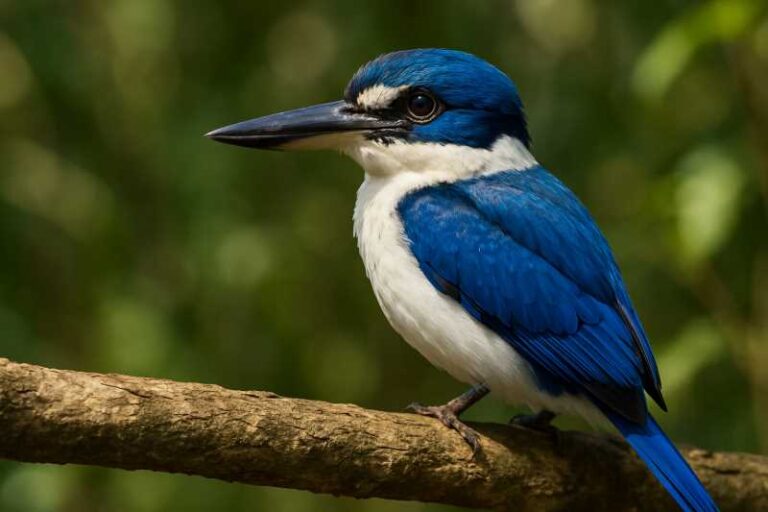
Discovering the Fawn-breasted Wren: A Symphony of Nature
The natural world is rich with avian wonders, each species adding its own unique note to the symphony of biodiversity. Among these feathered marvels is the Fawn-breasted Wren (Cantorchilus guarayanus), a bird that captivates ornithologists and nature enthusiasts alike with its distinct appearance and vibrant song. This article delves into the fascinating world of the Fawn-breasted Wren, exploring its habitat, behavior, and the role it plays in its ecosystem.
Habitat and Distribution
The Fawn-breasted Wren is predominantly found in parts of South America, with its range extending across Bolivia, Brazil, and Paraguay. It thrives in subtropical or tropical dry forests, moist lowland forests, and shrubland environments. These habitats provide the dense foliage and varied tree structures that the Fawn-breasted Wren prefers for nesting and foraging.
Adaptability is a key trait of the Fawn-breasted Wren, as it is capable of thriving in secondary forests and areas disturbed by human activity. This resilience has allowed the species to maintain stable populations despite deforestation and habitat fragmentation in some areas of its range.
Physical Characteristics
The Fawn-breasted Wren is a small to medium-sized bird, measuring approximately 15 cm in length. Its most striking feature is its fawn-colored breast, from which it derives its name. The plumage on its back and wings is typically a more muted brown, offering excellent camouflage among the branches and leaves of its forest home.
The bird’s underparts are lighter, with subtle streaks that add to its intricate appearance. It possesses a slightly curved bill, ideal for foraging insects and small invertebrates, which form a significant part of its diet. The eyes are a deep, expressive brown, reflecting the wren’s alert and inquisitive nature.
Behavior and Vocalization
Fawn-breasted Wrens are known for their active and energetic behavior. They move swiftly through the underbrush, often in pairs or small family groups. Their foraging behavior is characterized by a mix of hopping and short flights, as they search for insects among leaves and branches.
One of the most captivating aspects of the Fawn-breasted Wren is its vocal repertoire. The wren’s song is a series of melodious notes, delivered with remarkable clarity and volume. These vocalizations serve multiple purposes, including territory establishment, mate attraction, and communication between individuals. The complexity of their songs often draws comparisons to those of other renowned songbirds, highlighting their role as key contributors to the acoustic landscape of their habitats.
Reproduction and Nesting
The breeding season of the Fawn-breasted Wren varies depending on geographic location but generally aligns with the wetter months when food resources are abundant. These birds are monogamous, forming long-term pair bonds that enhance their reproductive success.
Nesting involves the construction of a dome-shaped structure made from twigs, grass, and other plant materials. The nests are typically built low in shrubs or trees, providing protection from predators and harsh weather conditions. The female lays a clutch of two to four eggs, which she incubates with diligence. Both parents participate in feeding the chicks, ensuring the young are well-nourished and capable of fledging successfully.
Ecological Role
The Fawn-breasted Wren plays a crucial role in its ecosystem, particularly as a predator of insects and small arthropods. This predation helps regulate insect populations, contributing to the ecological balance within their habitats. Additionally, their nests provide habitat for other species of invertebrates and small animals, highlighting their role in fostering biodiversity.
Moreover, the presence of Fawn-breasted Wrens can indicate the health of their environment. As they are sensitive to changes in habitat structure and food availability, their populations can serve as bioindicators, offering insights into the broader impacts of environmental changes such as deforestation and climate change.
Conservation Status
Currently, the Fawn-breasted Wren is not considered threatened, classified as Least Concern by the International Union for Conservation of Nature (IUCN). However, ongoing habitat destruction poses a potential threat to their populations in the future. Conservation efforts focused on preserving and restoring their natural habitats are essential to ensure the continued survival and thriving of this enchanting species.
Conclusion
In the grand tapestry of avian life, the Fawn-breasted Wren stands out as a testament to the beauty and complexity of nature. Its lively presence, melodious song, and ecological contributions make it a species worthy of admiration and protection. As we continue to study and conserve these remarkable birds, they remind us of the intricate connections that sustain life on Earth, urging us to cherish and preserve the natural world for generations to come.
Related posts